







-
 Agriculture
-
 Health-Care
-
 Environment
-
 Construction-Real-Estate
-
 Tools-Hardware
-
 Home-Garden
-
 Furniture
-
 Luggage-Bags-Cases
-
 Medical-devices-Supplies
-
 Gifts-Crafts
-
 Sports-Entertainment
-
 Food-Beverage
-
 Vehicles-Transportation
-
 Power-Transmission
-
 Material-Handling
-
 Renewable-Energy
-
 Safety
-
 Testing-Instrument-Equipment
-
 Construction-Building-Machinery
-
 Pet-Supplies
-
 Personal-Care-Household-Cleaning
-
 Vehicle-Accessories-Electronics-Tools
-
 School-Office-Supplies
-
 Packaging-Printing
-
 Mother-Kids-Toys
-
 Business-Services
-
 Commercial-Equipment-Machinery
-
 Apparel-Accessories
-
 Security
-
 Shoes-Accessories
-
 Vehicle-Parts-Accessories
-
 Jewelry-Eyewear-Watches-Accessories
-
 Lights-Lighting
-
 Fabric-Textile-Raw-Material
-
 Fabrication-Services
-
 Industrial-Machinery
-
 Consumer-Electronics
-
 Electrical-Equipment-Supplies
-
 Electronic-Components-Accessories-Telecommunications
-
 Home-Appliances
-
 Beauty
-
 Chemicals
-
 Rubber-Plastics
-
 Metals-Alloys


























































































































































































































































































































































































































































































































































































- Masonry Materials
- Curtain Walls & Accessories
- Earthwork Products
- Fireproofing Materials
- Heat Insulation Materials
- Plastic Building Materials
- Building Boards
- Soundproofing Materials
- Timber
- Waterproofing Materials
- Balustrades & Handrails
- Bathroom & Kitchen
- Flooring & Accessories
- Tiles & Accessories
- Door, Window & Accessories
- Fireplaces & Stoves
- Floor Heating Systems & Parts
- Stairs & Stair Parts
- Ceilings
- Elevators & Escalators
- Stone
- Countertops, Vanity Tops & Table Tops
- Mosaics
- Metal Building Materials
- Multifunctional Materials
- Ladders & Scaffoldings
- Mouldings
- Corner Guards
- Decorative Films
- Formwork
- Building & Industrial Glass
- Other Construction & Real Estate
- Wallpapers/Wall panels
- HVAC System & Parts
- Outdoor Facilities
- Prefabricated Buildings
- Festive & Party Supplies
- Bathroom Products
- Household Sundries
- Rain Gear
- Garden Supplies
- Household Cleaning Tools & Accessories
- Lighters & Smoking Accessories
- Home Storage & Organization
- Household Scales
- Smart Home Improvement
- Home Textiles
- Kitchenware
- Drinkware & Accessories
- Dinnerware, Coffee & Wine
- Home Decor
- Golf
- Fitness & Body Building
- Amusement Park Facilities
- Billiards, Board Game,Coin Operated Games
- Musical Instruments
- Outdoor Affordable Luxury Sports
- Camping & Hiking
- Fishing
- Sports Safety&Rehabilitation
- Ball Sports Equipments
- Water Sports
- Winter Sports
- Luxury Travel Equipments
- Sports Shoes, Bags & Accessories
- Cycling
- Other Sports & Entertainment Products
- Artificial Grass&Sports Flooring&Sports Court Equipment
- Scooters
- Food Ingredients
- Honey & Honey Products
- Snacks
- Nuts & Kernels
- Seafood
- Plant & Animal Oil
- Beverages
- Fruit & Vegetable Products
- Frog & Escargot
- Bean Products
- Egg Products
- Dairy Products
- Seasonings & Condiments
- Canned Food
- Instant Food
- Baked Goods
- Other Food & Beverage
- Meat & Poultry
- Confectionery
- Grain Products
- Feminie Care
- Hair Care & Styling
- Body Care
- Hands & Feet Care
- Hygiene Products
- Men's Grooming
- Laundry Cleaning Supplies
- Travel Size & Gift Sets
- Room Deodorizers
- Other Personal Care Products
- Pest Control Products
- Special Household Cleaning
- Floor Cleaning
- Kitchen & Bathroom Cleaning
- Oral Care
- Bath Supplies
- Yellow Pages
- Correction Supplies
- Office Binding Supplies
- Office Cutting Supplies
- Board Erasers
- Office Adhesives & Tapes
- Education Supplies
- Pencil Cases & Bags
- Notebooks & Writing Pads
- File Folder Accessories
- Calendars
- Writing Accessories
- Commercial Office Supplies
- Pencil Sharpeners
- Pens
- Letter Pad/Paper
- Paper Envelopes
- Desk Organizers
- Pencils
- Markers & Highlighters
- Filing Products
- Art Supplies
- Easels
- Badge Holder & Accessories
- Office Paper
- Printer Supplies
- Book Covers
- Other Office & School Supplies
- Stationery Set
- Boards
- Clipboards
- Stamps
- Drafting Supplies
- Stencils
- Electronic Dictionary
- Books
- Map
- Magazines
- Calculators
- Baby & Toddler Toys
- Educational Toys
- Classic Toys
- Dress Up & Pretend Play
- Toy Vehicle
- Stuffed Animals & Plush Toys
- Outdoor Toys & Structures
- Balloons & Accessories
- Baby Food
- Children's Clothing
- Baby Supplies & Products
- Maternity Clothes
- Kids Shoes
- Baby Care
- Novelty & Gag Toys
- Dolls & Accessories
- Puzzle & Games
- Blocks & Model Building Toys
- Toddler Clothing
- Baby Clothing
- Kids' Luggage & Bags
- Arts, Crafts & DIY Toys
- Action & Toy Figures
- Baby Appliances
- Hobbies & Models
- Remote Control Toys
- Promotional Toys
- Pregnancy & Maternity
- Hygiene Products
- Kid's Textile&Bedding
- Novelty & Special Use
- Toy Weapons
- Baby Gifts
- Baby Storage & Organization
- Auto Drive Systems
- ATV/UTV Parts & Accessories
- Marine Parts & Accessories
- Other Auto Parts
- Trailer Parts & Accessories
- Auto Transmission Systems
- Train Parts & Accessories
- Universal Parts
- Railway Parts & Accessories
- Auto Brake Systems
- Aviation Parts & Accessories
- Truck Parts & Accessories
- Auto Suspension Systems
- Auto Lighting Systems
- New Energy Vehicle Parts & Accessories
- Auto Steering Systems
- Wheels, Tires & Accessories
- Bus Parts & Accessories
- Auto Performance Parts
- Cooling System
- Go-Kart & Kart Racer Parts & Accessories
- Air Conditioning Systems
- Heavy Duty Vehicle Parts & Accessories
- Auto Electrical Systems
- Auto Body Systems
- Auto Engine Systems
- Container Parts & Accessories
- Motorcycle Parts & Accessories
- Refrigeration & Heat Exchange Equipment
- Machine Tool Equipment
- Food & Beverage Machinery
- Agricultural Machinery & Equipment
- Apparel & Textile Machinery
- Chemical Machinery
- Packaging Machines
- Paper Production Machinery
- Plastic & Rubber Processing Machinery
- Industrial Robots
- Electronic Products Machinery
- Metal & Metallurgy Machinery
- Woodworking Machinery
- Home Product Manufacturing Machinery
- Machinery Accessories
- Environmental Machinery
- Machinery Service
- Electrical Equipment Manufacturing Machinery
- Industrial Compressors & Parts
- Tobacco & Cigarette Machinery
- Production Line
- Used Industrial Machinery
- Electronics Production Machinery
- Other Machinery & Industrial Equipment
- Camera, Photo & Accessories
- Portable Audio, Video & Accessories
- Television, Home Audio, Video & Accessories
- Video Games & Accessories
- Mobile Phone & Accessories
- Electronic Publications
- Earphone & Headphone & Accessories
- Speakers & Accessories
- Smart Electronics
- TV Receivers & Accessories
- Mobile Phone & Computer Repair Parts
- Chargers, Batteries & Power Supplies
- Used Electronics
- VR, AR, MR Hardware & Software
- Projectors & Presentation Equipments
- Other Consumer Electronics
- Cables & Commonly Used Accessories
- Computer Hardware & Software
- Displays, Signage and Optoelectronics
- Discrete Semiconductors
- Wireless & IoT Module and Products
- Telecommunications
- Connectors, Terminals & Accessories
- Development Boards, Electronic Modules and Kits
- Circuit Protection
- Sensors
- Isolators
- Audio Components and Products
- Integrated Circuits
- Power Supplies
- Relays
- RF, Microwave and RFID
- Electronic Accessories & Supplies
- Passive Components
- PCB & PCBA
- Air Quality Appliances
- Home Appliance Parts
- Heating & Cooling Appliances
- Small Kitchen Appliances
- Laundry Appliances
- Water Heaters
- Water Treatment Appliances
- Refrigerators & Freezers
- Personal Care & Beauty Appliances
- Major Kitchen Appliances
- Cleaning Appliances
- Second-hand Appliances
- Smart Home Appliances
- Other Home Appliances
- Energy Chemicals
- Inorganic Chemicals
- Basic Organic Chemicals
- Agrochemicals
- Admixture & Additives
- Catalysts & Chemical Auxiliary Agents
- Pigments & Dyestuff
- Coating & Paint
- Daily Chemicals
- Polymer
- Organic Intermediate
- Adhesives & Sealants
- Chemical Waste
- Biological Chemical Products
- Surface Treatment Chemicals
- Painting & Coating
- Chemical Reagents
- Flavor & Fragrance
- Non-Explosive Demolition Agents
- Other Chemicals
- Custom Chemical Services

Regulatory Changes and the Compliance Status of Certified Stock
Goods that were certified before a regulatory update may no longer satisfy the requirements of a destination market. However, the records available for the toothpaste tubes do not prove that this particular product has become noncompliant. Before the stock is sold, distributed, or used, its current eligibility should be checked against the rules in each relevant market. Earlier certificates should be preserved as historical documentation rather than regarded as evidence of current approval.
Key Compliance Considerations
- Review every certification record against the regulations currently in force in the intended destination market.
- The available information does not identify the date of any regulatory change, the validity period of the certificates, or a product-specific compliance determination for the toothpaste tubes.
- Damage caused by unsuitable storage, such as exposure, humidity, dust, or very low temperatures, is outside the stated after-sales coverage.
- The supplier recommends checking whether adhesive mousetrap products are allowed locally before use. The same market-specific verification principle should be applied to goods held in inventory.
How Previous Certification Should Be Interpreted
A certificate issued in the past and a product's present regulatory status are separate matters. The supplied records list trade mark and copyright certificates, but they do not identify a product compliance certificate for the toothpaste tubes. They also do not state the applicable country, certificate expiration date, or whether the product was reassessed after a regulation changed.
For a practical stock review, documentation should be grouped by product model, production batch, destination market, and related certification record. The product information describes toothpaste tubes, a minimum order quantity of 30,000 units, a one-month lead time for customized orders, and export destinations that include South America, the Middle East, Southeast Asia, Africa, India, Pakistan, Uzbekistan, Brazil, Ecuador, Romania, Iraq, and other markets.
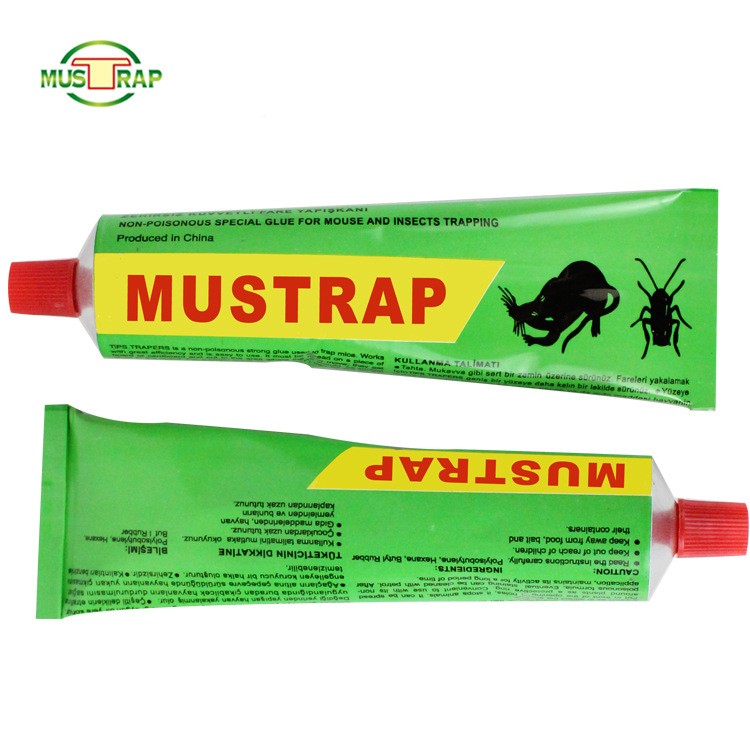
When a market rule is revised, previously produced inventory may require another assessment even if it was accepted under the former requirements. The supplied records do not confirm that these toothpaste tubes remain acceptable in any specific jurisdiction. A responsible decision should therefore involve checking current local rules, matching those rules to the product and available documents, and recording whether each inventory group may be sold, relabeled, held, or withdrawn.
Production Controls and Certification Records
The supplier describes inspections covering raw materials, production processes, semi-finished goods, surface treatment, assembly, finished products, and packaging. These procedures provide information about manufacturing quality. They do not, on their own, demonstrate that the product continues to meet legal or regulatory requirements after a rule change.
The listed documentation includes trade mark certificates 15322289 and 13567076, as well as copyright certificates Qianzuodengzi-2020-F-00118638, Qianzuodengzi-2024-F-01286419, and Qianzuodengzi-2020-F-00117432. These documents may help verify brand identity and intellectual-property rights, but the supplied information does not define them as regulatory approvals for the toothpaste tubes.
The company also cites cooperation cases involving sticky mouse board exports to India, Brazil, and Peru. Customer comments refer to product quality, dependable cooperation, and service. Such experience indicates international trading activity, but it does not constitute product-specific evidence that the toothpaste tubes comply with a newly updated regulation.
Evidence Review for Stock Compliance
| Review Item | Information Available | Practical Meaning |
|---|---|---|
| Earlier documentation | Trade mark and copyright certificates are listed | Historical records exist, but current product approval is not established |
| Regulatory update | No change date or current destination-market assessment is provided | Continued compliance cannot be confirmed from the supplied material |
| Product details | Toothpaste tubes, custom-made glue keyword, and a 30,000-unit minimum order | A product- and market-specific review is necessary |
| Manufacturing inspection | Controls extend from raw-material checks through packaging inspection | Supports production-quality assessment but does not replace legal review |
| After-sales procedure | Production-quality complaints require photos or video and the outer-carton batch number within 15 days | Storage damage and local regulatory restrictions are not covered |
Frequently Asked Questions
Can an old certificate guarantee that inventory is still compliant?
No. The available records do not say that the listed certificates remain effective after a regulatory change, nor do they show that those certificates approve the toothpaste tubes for a particular market. Current local requirements must be verified independently.
Which details are needed before making a final decision?
The missing information includes the relevant regulation-change date, certificate validity period, destination-specific approval, and a product-level compliance conclusion. Without these details, the status of the stock cannot be determined from the supplied records alone.
What should the inventory review file contain?
Document the product description, batch number, intended market, available certificates, current regulatory requirements, storage conditions, and final disposition for each stock group. For production-quality complaints, also retain clear photos or video and the batch number printed on the outer box, as requested in the supplier's after-sales procedure.
Conclusion and Recommended Action
When regulations change, previously certified goods in stock should be treated as requiring a fresh compliance assessment. For the toothpaste tubes described here, the records provide information about the product, ordering terms, manufacturing inspections, export experience, and after-sales process, but they do not confirm continued acceptance under current regulations. Yiwu Jinli provides OEM Manufacturing, ODM Manufacturing, Factory Direct Supply, Bulk Production, Flexible Small Batch Orders, and Long-Term Supply Cooperation. For technical questions or compliance support, contact bob@jinwen-goods.com.
About Yiwu Jinli Commodity Co., Ltd.
Yiwu Jinli Commodity Co., Ltd., previously known as Yiwu JinwenDaily Necessities Co., Ltd., was founded in 2010 and combines research and development, manufacturing, and sales. Its product team offers pest-control product research, OEM, and ODM services. The company states that its independent workshops and production lines can produce up to 80,000 units per day. Its product range includes sticky rat traps, flypaper, cockroach traps, and other pest-control items.
The company lists trade mark certificates 15322289 and 13567076. Its reported cooperation history includes sticky mouse board exports to India, Brazil, and Peru, together with service to customers in several industries.

REPORT