







-
 Agriculture
-
 Health-Care
-
 Environment
-
 Construction-Real-Estate
-
 Tools-Hardware
-
 Home-Garden
-
 Furniture
-
 Luggage-Bags-Cases
-
 Medical-devices-Supplies
-
 Gifts-Crafts
-
 Sports-Entertainment
-
 Food-Beverage
-
 Vehicles-Transportation
-
 Power-Transmission
-
 Material-Handling
-
 Renewable-Energy
-
 Safety
-
 Testing-Instrument-Equipment
-
 Construction-Building-Machinery
-
 Pet-Supplies
-
 Personal-Care-Household-Cleaning
-
 Vehicle-Accessories-Electronics-Tools
-
 School-Office-Supplies
-
 Packaging-Printing
-
 Mother-Kids-Toys
-
 Business-Services
-
 Commercial-Equipment-Machinery
-
 Apparel-Accessories
-
 Security
-
 Shoes-Accessories
-
 Vehicle-Parts-Accessories
-
 Jewelry-Eyewear-Watches-Accessories
-
 Lights-Lighting
-
 Fabric-Textile-Raw-Material
-
 Fabrication-Services
-
 Industrial-Machinery
-
 Consumer-Electronics
-
 Electrical-Equipment-Supplies
-
 Electronic-Components-Accessories-Telecommunications
-
 Home-Appliances
-
 Beauty
-
 Chemicals
-
 Rubber-Plastics
-
 Metals-Alloys


























































































































































































































































































































































































































































































































































































- Masonry Materials
- Curtain Walls & Accessories
- Earthwork Products
- Fireproofing Materials
- Heat Insulation Materials
- Plastic Building Materials
- Building Boards
- Soundproofing Materials
- Timber
- Waterproofing Materials
- Balustrades & Handrails
- Bathroom & Kitchen
- Flooring & Accessories
- Tiles & Accessories
- Door, Window & Accessories
- Fireplaces & Stoves
- Floor Heating Systems & Parts
- Stairs & Stair Parts
- Ceilings
- Elevators & Escalators
- Stone
- Countertops, Vanity Tops & Table Tops
- Mosaics
- Metal Building Materials
- Multifunctional Materials
- Ladders & Scaffoldings
- Mouldings
- Corner Guards
- Decorative Films
- Formwork
- Building & Industrial Glass
- Other Construction & Real Estate
- Wallpapers/Wall panels
- HVAC System & Parts
- Outdoor Facilities
- Prefabricated Buildings
- Festive & Party Supplies
- Bathroom Products
- Household Sundries
- Rain Gear
- Garden Supplies
- Household Cleaning Tools & Accessories
- Lighters & Smoking Accessories
- Home Storage & Organization
- Household Scales
- Smart Home Improvement
- Home Textiles
- Kitchenware
- Drinkware & Accessories
- Dinnerware, Coffee & Wine
- Home Decor
- Golf
- Fitness & Body Building
- Amusement Park Facilities
- Billiards, Board Game,Coin Operated Games
- Musical Instruments
- Outdoor Affordable Luxury Sports
- Camping & Hiking
- Fishing
- Sports Safety&Rehabilitation
- Ball Sports Equipments
- Water Sports
- Winter Sports
- Luxury Travel Equipments
- Sports Shoes, Bags & Accessories
- Cycling
- Other Sports & Entertainment Products
- Artificial Grass&Sports Flooring&Sports Court Equipment
- Scooters
- Food Ingredients
- Honey & Honey Products
- Snacks
- Nuts & Kernels
- Seafood
- Plant & Animal Oil
- Beverages
- Fruit & Vegetable Products
- Frog & Escargot
- Bean Products
- Egg Products
- Dairy Products
- Seasonings & Condiments
- Canned Food
- Instant Food
- Baked Goods
- Other Food & Beverage
- Meat & Poultry
- Confectionery
- Grain Products
- Feminie Care
- Hair Care & Styling
- Body Care
- Hands & Feet Care
- Hygiene Products
- Men's Grooming
- Laundry Cleaning Supplies
- Travel Size & Gift Sets
- Room Deodorizers
- Other Personal Care Products
- Pest Control Products
- Special Household Cleaning
- Floor Cleaning
- Kitchen & Bathroom Cleaning
- Oral Care
- Bath Supplies
- Yellow Pages
- Correction Supplies
- Office Binding Supplies
- Office Cutting Supplies
- Board Erasers
- Office Adhesives & Tapes
- Education Supplies
- Pencil Cases & Bags
- Notebooks & Writing Pads
- File Folder Accessories
- Calendars
- Writing Accessories
- Commercial Office Supplies
- Pencil Sharpeners
- Pens
- Letter Pad/Paper
- Paper Envelopes
- Desk Organizers
- Pencils
- Markers & Highlighters
- Filing Products
- Art Supplies
- Easels
- Badge Holder & Accessories
- Office Paper
- Printer Supplies
- Book Covers
- Other Office & School Supplies
- Stationery Set
- Boards
- Clipboards
- Stamps
- Drafting Supplies
- Stencils
- Electronic Dictionary
- Books
- Map
- Magazines
- Calculators
- Baby & Toddler Toys
- Educational Toys
- Classic Toys
- Dress Up & Pretend Play
- Toy Vehicle
- Stuffed Animals & Plush Toys
- Outdoor Toys & Structures
- Balloons & Accessories
- Baby Food
- Children's Clothing
- Baby Supplies & Products
- Maternity Clothes
- Kids Shoes
- Baby Care
- Novelty & Gag Toys
- Dolls & Accessories
- Puzzle & Games
- Blocks & Model Building Toys
- Toddler Clothing
- Baby Clothing
- Kids' Luggage & Bags
- Arts, Crafts & DIY Toys
- Action & Toy Figures
- Baby Appliances
- Hobbies & Models
- Remote Control Toys
- Promotional Toys
- Pregnancy & Maternity
- Hygiene Products
- Kid's Textile&Bedding
- Novelty & Special Use
- Toy Weapons
- Baby Gifts
- Baby Storage & Organization
- Auto Drive Systems
- ATV/UTV Parts & Accessories
- Marine Parts & Accessories
- Other Auto Parts
- Trailer Parts & Accessories
- Auto Transmission Systems
- Train Parts & Accessories
- Universal Parts
- Railway Parts & Accessories
- Auto Brake Systems
- Aviation Parts & Accessories
- Truck Parts & Accessories
- Auto Suspension Systems
- Auto Lighting Systems
- New Energy Vehicle Parts & Accessories
- Auto Steering Systems
- Wheels, Tires & Accessories
- Bus Parts & Accessories
- Auto Performance Parts
- Cooling System
- Go-Kart & Kart Racer Parts & Accessories
- Air Conditioning Systems
- Heavy Duty Vehicle Parts & Accessories
- Auto Electrical Systems
- Auto Body Systems
- Auto Engine Systems
- Container Parts & Accessories
- Motorcycle Parts & Accessories
- Refrigeration & Heat Exchange Equipment
- Machine Tool Equipment
- Food & Beverage Machinery
- Agricultural Machinery & Equipment
- Apparel & Textile Machinery
- Chemical Machinery
- Packaging Machines
- Paper Production Machinery
- Plastic & Rubber Processing Machinery
- Industrial Robots
- Electronic Products Machinery
- Metal & Metallurgy Machinery
- Woodworking Machinery
- Home Product Manufacturing Machinery
- Machinery Accessories
- Environmental Machinery
- Machinery Service
- Electrical Equipment Manufacturing Machinery
- Industrial Compressors & Parts
- Tobacco & Cigarette Machinery
- Production Line
- Used Industrial Machinery
- Electronics Production Machinery
- Other Machinery & Industrial Equipment
- Camera, Photo & Accessories
- Portable Audio, Video & Accessories
- Television, Home Audio, Video & Accessories
- Video Games & Accessories
- Mobile Phone & Accessories
- Electronic Publications
- Earphone & Headphone & Accessories
- Speakers & Accessories
- Smart Electronics
- TV Receivers & Accessories
- Mobile Phone & Computer Repair Parts
- Chargers, Batteries & Power Supplies
- Used Electronics
- VR, AR, MR Hardware & Software
- Projectors & Presentation Equipments
- Other Consumer Electronics
- Cables & Commonly Used Accessories
- Computer Hardware & Software
- Displays, Signage and Optoelectronics
- Discrete Semiconductors
- Wireless & IoT Module and Products
- Telecommunications
- Connectors, Terminals & Accessories
- Development Boards, Electronic Modules and Kits
- Circuit Protection
- Sensors
- Isolators
- Audio Components and Products
- Integrated Circuits
- Power Supplies
- Relays
- RF, Microwave and RFID
- Electronic Accessories & Supplies
- Passive Components
- PCB & PCBA
- Air Quality Appliances
- Home Appliance Parts
- Heating & Cooling Appliances
- Small Kitchen Appliances
- Laundry Appliances
- Water Heaters
- Water Treatment Appliances
- Refrigerators & Freezers
- Personal Care & Beauty Appliances
- Major Kitchen Appliances
- Cleaning Appliances
- Second-hand Appliances
- Smart Home Appliances
- Other Home Appliances
- Energy Chemicals
- Inorganic Chemicals
- Basic Organic Chemicals
- Agrochemicals
- Admixture & Additives
- Catalysts & Chemical Auxiliary Agents
- Pigments & Dyestuff
- Coating & Paint
- Daily Chemicals
- Polymer
- Organic Intermediate
- Adhesives & Sealants
- Chemical Waste
- Biological Chemical Products
- Surface Treatment Chemicals
- Painting & Coating
- Chemical Reagents
- Flavor & Fragrance
- Non-Explosive Demolition Agents
- Other Chemicals
- Custom Chemical Services

Resolving Embroidery Unraveling in Garments: Post-Sale Repairs & Factory Prevention
Embroidery unraveling poses a significant quality challenge for streetwear brands, independent designers, and apparel retailers. Whether caused by mechanical tension errors, missing digitizing lockstitches, or post-purchase wear, loose embroidery threads degrade garment aesthetics and consumer trust. Addressing this issue requires a dual approach: tactical field repairs for existing retail items and proactive digitizing standards during garment manufacturing.
Root Causes of Embroidery Structural Failure
Structural fraying typically stems from three critical vulnerabilities during design digitization and garment production:
- Missing Lockstitch Commands: When digitizing files lack automated tie-in and tie-off lock-knots at stitch path boundaries, routine friction or home laundering easily pulls top threads out of place.
- Tension Imbalances & Short Stitches: Improper bobbin tension combined with stitch lengths under 1.5 mm reduces thread friction, allowing satin and fill stitches to slip loose over time.
- Substrate Instability: Inadequate backing stabilizer under heavy fabrics—such as 480–630 GSM fleece—causes fabric shear stress during washing, leading to structural thread detachment.
To eliminate these flaws before mass production, specialized apparel teams such as Dongguan City Dule Garment Co.,Ltd perform comprehensive Tech Pack audits, evaluating underlay structures, stitch angles, and density configurations before running production lines.
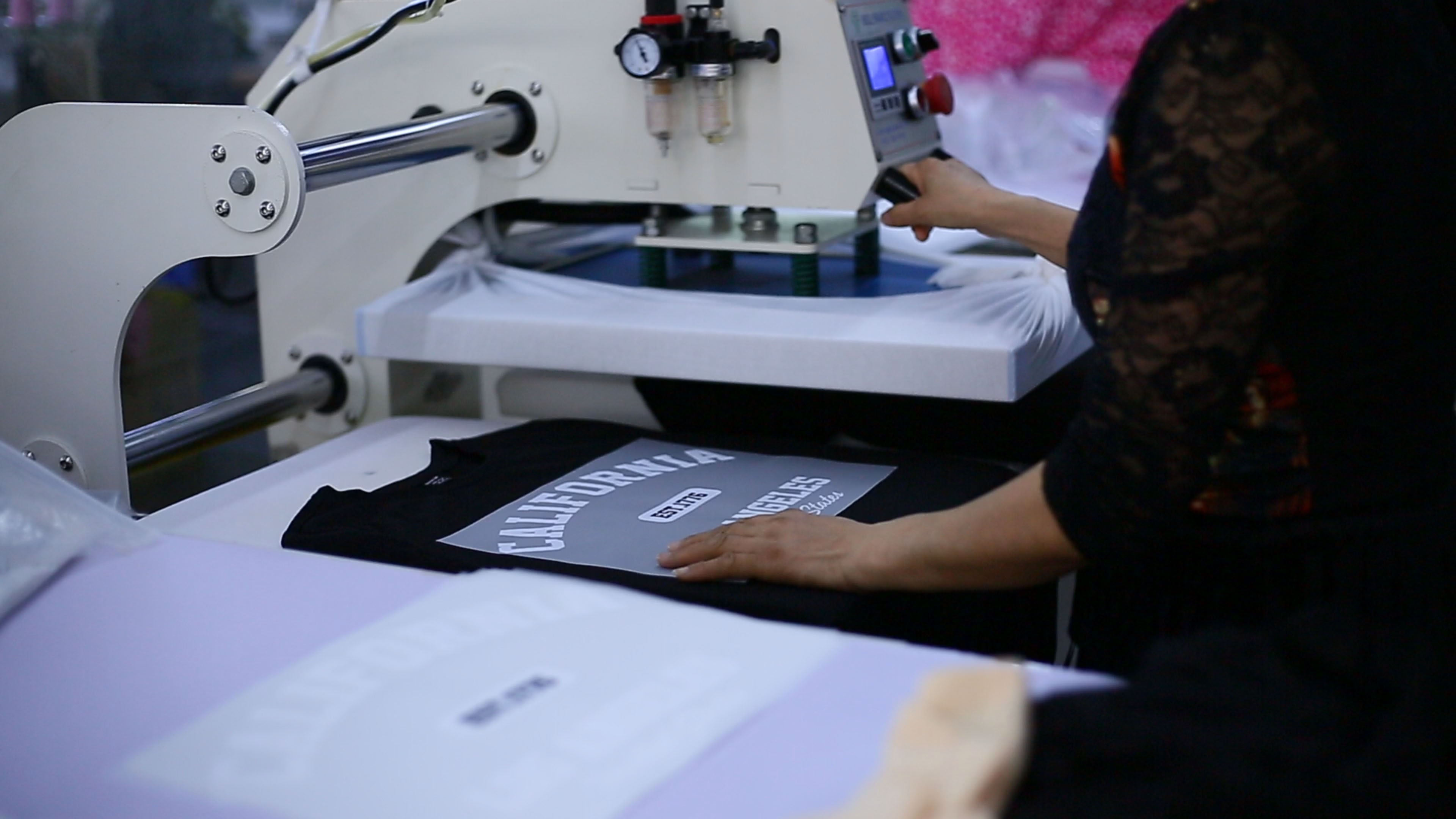
Tactical Repairs for Retail & Customer Returns
When unraveling occurs on garments already distributed to end consumers, several field-proven methods can restore structural integrity:
1. Thermal Fusible Interlining Application
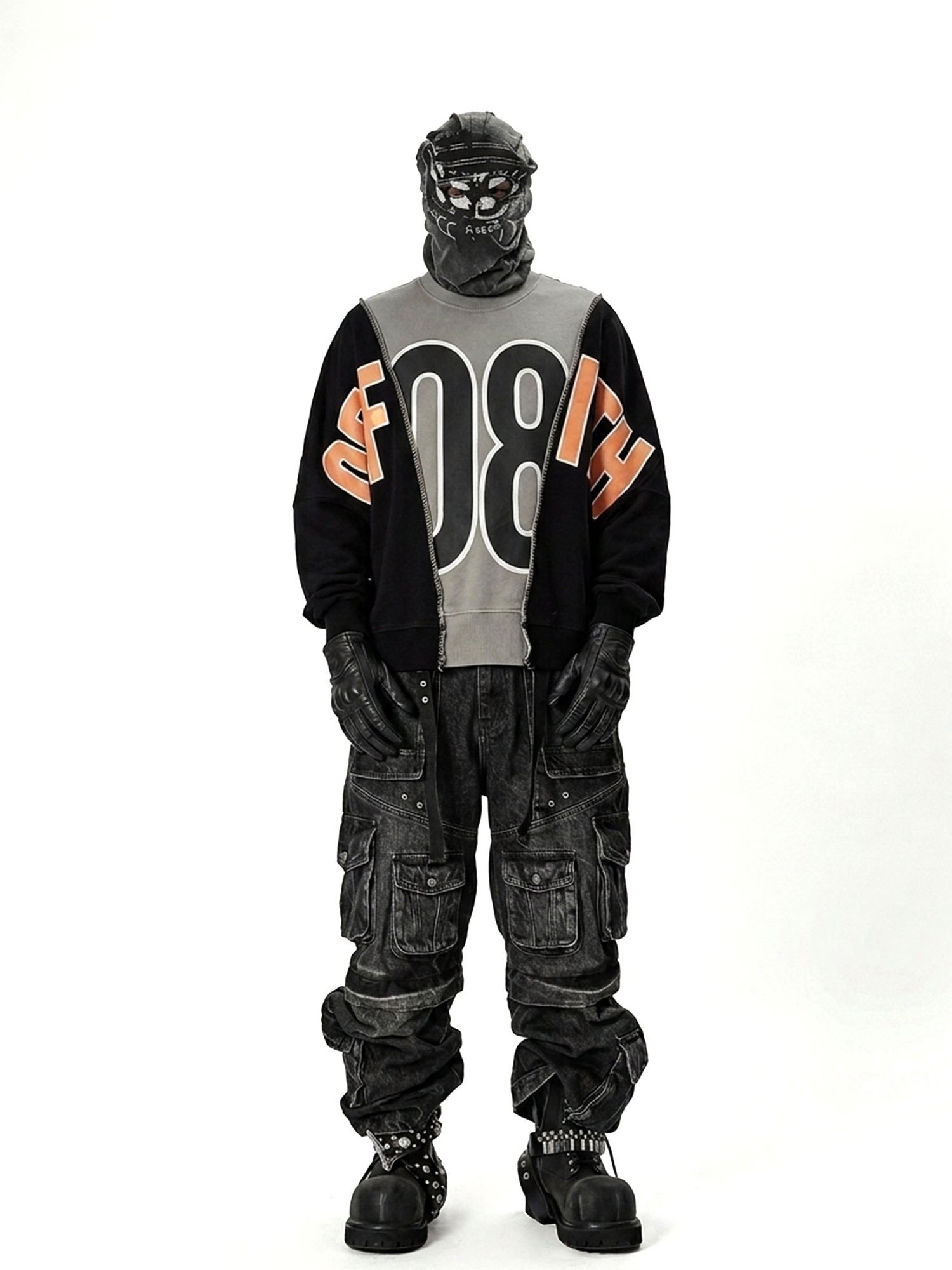
For custom heavyweight hoodies or 400gsm heavyweight crewneck sweatshirts, applying localized heat-activated backing offers a durable solution. Placing a section of fusible interlining over the reverse side of the damaged embroidery motif and heat-pressing at 140°C–160°C for 10–15 seconds fuses loose rayon or polyester threads into the fabric matrix without altering exterior graphics.
2. Mechanical Thread Anchoring & Re-Stitching
Permanent alteration requires using a fine loop turner or latch hook to pull frayed thread tails through to the reverse side. Tailors tie off manual lock-knots and apply high-density lockstitching across affected zones to secure the design.
3. Textile Fabric Adhesives
For immediate field repairs, liquid fabric sealers applied directly to the underside anchor loose thread ends, halting further unraveling across satin and 3D embroidery motifs.
Production-Level Prevention Strategies
Preventing post-sale defects during high-volume production requires strict digitizing and quality control protocols:
- Automated Digitizing Controls: Incorporate mandatory tie-in and tie-off algorithms in digitized embroidery software while enforcing stitch lengths above 1.5 mm.
- Heavy-Duty Stabilizer Matching: Match fabric weights with robust non-woven cutaway or tearaway backing papers (ideal for 480–630 GSM fleece garments) to prevent puckering and thread displacement.
- AQL Quality Inspections: Enforce ISO 2859-1 aligned AQL 2.5 inline and final inspection procedures to catch tension issues before garment packaging.
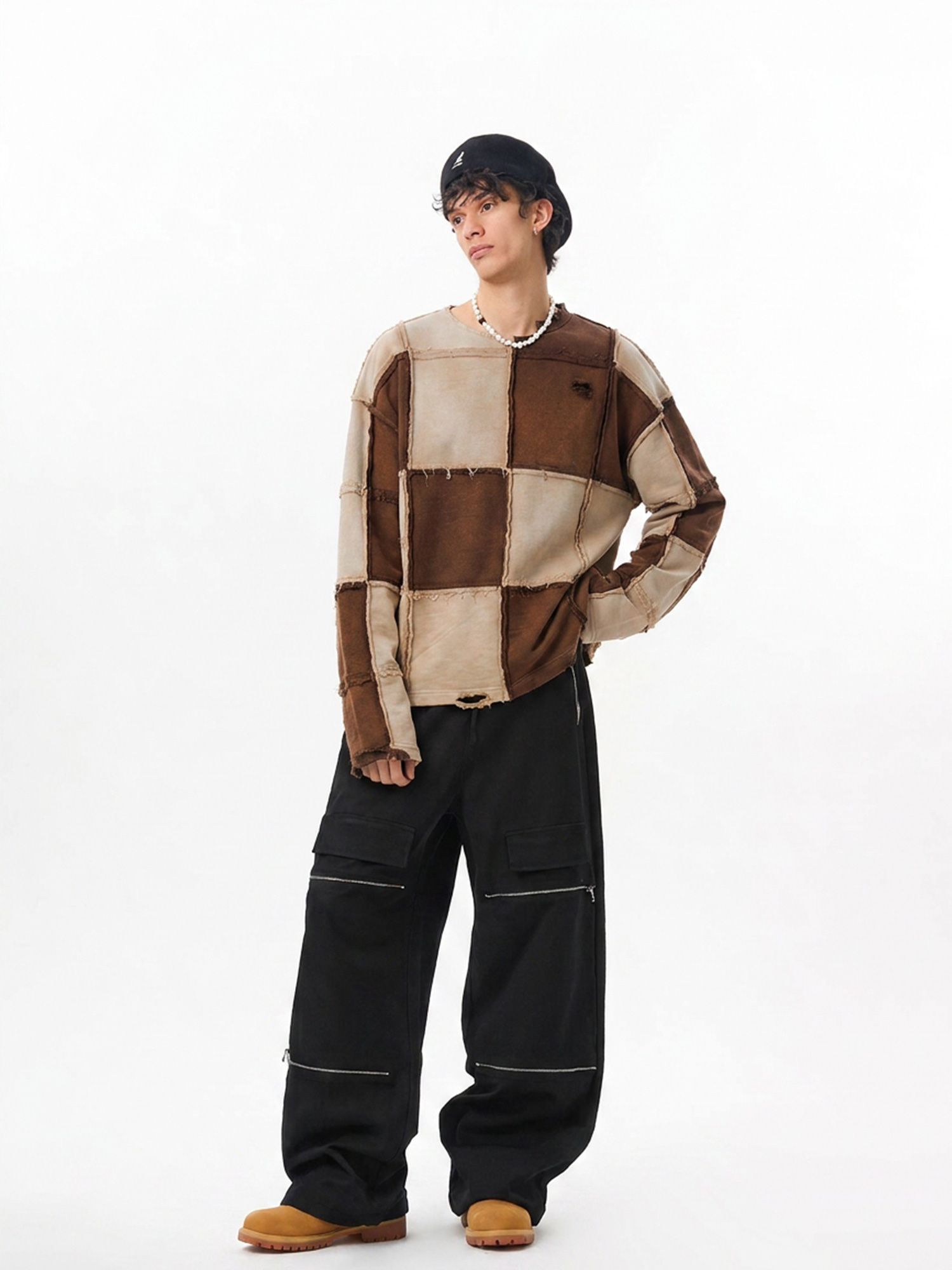
Case Study Impact: A UK-based Shopify DTC streetwear brand managing private label drops of 1,000 units per SKU standardized mid-production inspection checklists and digitizing algorithms. By enforcing strict tie-off protocols and AQL 2.5 checks, post-sale returns driven by embroidery fraying dropped by over 98% across 24 annual drops.
Comparative Matrix: Embroidery Solutions
| Repair / Prevention Method | Application Stage | Structural Durability | Technical Complexity | Cost & Lead Time Impact |
|---|---|---|---|---|
| Fabric Adhesive / Liquid Sealer | Post-Retail Field Repair | Moderate | Low | Low cost; immediate application |
| Fusible Interlining Backing | Post-Retail / Garment Rework | High | Moderate | Low cost; 5–10 minutes per garment |
| Manual Loop Tie-Off & Re-Stitch | Tailoring / Alteration Shop | High | High | Moderate cost; labor-intensive |
| Digitized Lockstitch & Heavy Backing | OEM / ODM Mass Production | Maximum | High (Pre-production) | Zero post-production cost; automated |
Frequently Asked Questions
Why do embroidery threads unravel after home laundering?
Unraveling typically results from omitted digitized lock-knots, uncalibrated bobbin thread tension, or low-quality backing paper that breaks down during domestic washing, allowing stitches to pull free.
How do OEM/ODM apparel factories eliminate embroidery defects?
Manufacturers program automated lockstitches into digitizing files, use heavy cutaway/tearaway stabilizers, calibrate multi-head embroidery machinery, and perform AQL 2.5 final inspections standard under ISO 2859-1 guidelines.
Can puff print or 3D embroidery designs be repaired after thread breakage?
Yes. Loose threads can be drawn to the underside with a fine needle, hand-knotted, and sealed with heat-activated fusible backing while maintaining the original dimensional foam shape.
Summary & Strategic Recommendations
Overcoming embroidery unraveling involves implementing fast underside securing methods for retail returns and embedding rigorous digitizing standards during garment manufacturing. Apparel brand founders should collaborate with flexible OEM/ODM partners supporting low minimum order quantities—such as 50 pieces per custom style or 20 pieces for blanks—to evaluate sample durability and wash stability prior to bulk production. For technical inquiries or custom manufacturing support, contact us at yutianfang88@gmail.com.
About Us
Dongguan City Dule Garment Co.,Ltd is a premier OEM/ODM garment manufacturer established in 2007. Equipped with over 50 specialized machinery units, the facility delivers end-to-end garment production with an annual output reaching 1.2 million units. The factory excels in 480–630 GSM heavyweight hoodies, crewneck sweatshirts, cargo trousers, and premium outerwear using advanced craftsmanship like 3D embroidery, puff printing, and vintage washing techniques. Serving DTC retail clients across Europe and North America, every order strictly follows Tech Pack reproduction and rigorous quality assurance protocols. 
REPORT