







-
 Agriculture
-
 Health-Care
-
 Environment
-
 Construction-Real-Estate
-
 Tools-Hardware
-
 Home-Garden
-
 Furniture
-
 Luggage-Bags-Cases
-
 Medical-devices-Supplies
-
 Gifts-Crafts
-
 Sports-Entertainment
-
 Food-Beverage
-
 Vehicles-Transportation
-
 Power-Transmission
-
 Material-Handling
-
 Renewable-Energy
-
 Safety
-
 Testing-Instrument-Equipment
-
 Construction-Building-Machinery
-
 Pet-Supplies
-
 Personal-Care-Household-Cleaning
-
 Vehicle-Accessories-Electronics-Tools
-
 School-Office-Supplies
-
 Packaging-Printing
-
 Mother-Kids-Toys
-
 Business-Services
-
 Commercial-Equipment-Machinery
-
 Apparel-Accessories
-
 Security
-
 Shoes-Accessories
-
 Vehicle-Parts-Accessories
-
 Jewelry-Eyewear-Watches-Accessories
-
 Lights-Lighting
-
 Fabric-Textile-Raw-Material
-
 Fabrication-Services
-
 Industrial-Machinery
-
 Consumer-Electronics
-
 Electrical-Equipment-Supplies
-
 Electronic-Components-Accessories-Telecommunications
-
 Home-Appliances
-
 Beauty
-
 Chemicals
-
 Rubber-Plastics
-
 Metals-Alloys


























































































































































































































































































































































































































































































































































































- Masonry Materials
- Curtain Walls & Accessories
- Earthwork Products
- Fireproofing Materials
- Heat Insulation Materials
- Plastic Building Materials
- Building Boards
- Soundproofing Materials
- Timber
- Waterproofing Materials
- Balustrades & Handrails
- Bathroom & Kitchen
- Flooring & Accessories
- Tiles & Accessories
- Door, Window & Accessories
- Fireplaces & Stoves
- Floor Heating Systems & Parts
- Stairs & Stair Parts
- Ceilings
- Elevators & Escalators
- Stone
- Countertops, Vanity Tops & Table Tops
- Mosaics
- Metal Building Materials
- Multifunctional Materials
- Ladders & Scaffoldings
- Mouldings
- Corner Guards
- Decorative Films
- Formwork
- Building & Industrial Glass
- Other Construction & Real Estate
- Wallpapers/Wall panels
- HVAC System & Parts
- Outdoor Facilities
- Prefabricated Buildings
- Festive & Party Supplies
- Bathroom Products
- Household Sundries
- Rain Gear
- Garden Supplies
- Household Cleaning Tools & Accessories
- Lighters & Smoking Accessories
- Home Storage & Organization
- Household Scales
- Smart Home Improvement
- Home Textiles
- Kitchenware
- Drinkware & Accessories
- Dinnerware, Coffee & Wine
- Home Decor
- Golf
- Fitness & Body Building
- Amusement Park Facilities
- Billiards, Board Game,Coin Operated Games
- Musical Instruments
- Outdoor Affordable Luxury Sports
- Camping & Hiking
- Fishing
- Sports Safety&Rehabilitation
- Ball Sports Equipments
- Water Sports
- Winter Sports
- Luxury Travel Equipments
- Sports Shoes, Bags & Accessories
- Cycling
- Other Sports & Entertainment Products
- Artificial Grass&Sports Flooring&Sports Court Equipment
- Scooters
- Food Ingredients
- Honey & Honey Products
- Snacks
- Nuts & Kernels
- Seafood
- Plant & Animal Oil
- Beverages
- Fruit & Vegetable Products
- Frog & Escargot
- Bean Products
- Egg Products
- Dairy Products
- Seasonings & Condiments
- Canned Food
- Instant Food
- Baked Goods
- Other Food & Beverage
- Meat & Poultry
- Confectionery
- Grain Products
- Feminie Care
- Hair Care & Styling
- Body Care
- Hands & Feet Care
- Hygiene Products
- Men's Grooming
- Laundry Cleaning Supplies
- Travel Size & Gift Sets
- Room Deodorizers
- Other Personal Care Products
- Pest Control Products
- Special Household Cleaning
- Floor Cleaning
- Kitchen & Bathroom Cleaning
- Oral Care
- Bath Supplies
- Yellow Pages
- Correction Supplies
- Office Binding Supplies
- Office Cutting Supplies
- Board Erasers
- Office Adhesives & Tapes
- Education Supplies
- Pencil Cases & Bags
- Notebooks & Writing Pads
- File Folder Accessories
- Calendars
- Writing Accessories
- Commercial Office Supplies
- Pencil Sharpeners
- Pens
- Letter Pad/Paper
- Paper Envelopes
- Desk Organizers
- Pencils
- Markers & Highlighters
- Filing Products
- Art Supplies
- Easels
- Badge Holder & Accessories
- Office Paper
- Printer Supplies
- Book Covers
- Other Office & School Supplies
- Stationery Set
- Boards
- Clipboards
- Stamps
- Drafting Supplies
- Stencils
- Electronic Dictionary
- Books
- Map
- Magazines
- Calculators
- Baby & Toddler Toys
- Educational Toys
- Classic Toys
- Dress Up & Pretend Play
- Toy Vehicle
- Stuffed Animals & Plush Toys
- Outdoor Toys & Structures
- Balloons & Accessories
- Baby Food
- Children's Clothing
- Baby Supplies & Products
- Maternity Clothes
- Kids Shoes
- Baby Care
- Novelty & Gag Toys
- Dolls & Accessories
- Puzzle & Games
- Blocks & Model Building Toys
- Toddler Clothing
- Baby Clothing
- Kids' Luggage & Bags
- Arts, Crafts & DIY Toys
- Action & Toy Figures
- Baby Appliances
- Hobbies & Models
- Remote Control Toys
- Promotional Toys
- Pregnancy & Maternity
- Hygiene Products
- Kid's Textile&Bedding
- Novelty & Special Use
- Toy Weapons
- Baby Gifts
- Baby Storage & Organization
- Auto Drive Systems
- ATV/UTV Parts & Accessories
- Marine Parts & Accessories
- Other Auto Parts
- Trailer Parts & Accessories
- Auto Transmission Systems
- Train Parts & Accessories
- Universal Parts
- Railway Parts & Accessories
- Auto Brake Systems
- Aviation Parts & Accessories
- Truck Parts & Accessories
- Auto Suspension Systems
- Auto Lighting Systems
- New Energy Vehicle Parts & Accessories
- Auto Steering Systems
- Wheels, Tires & Accessories
- Bus Parts & Accessories
- Auto Performance Parts
- Cooling System
- Go-Kart & Kart Racer Parts & Accessories
- Air Conditioning Systems
- Heavy Duty Vehicle Parts & Accessories
- Auto Electrical Systems
- Auto Body Systems
- Auto Engine Systems
- Container Parts & Accessories
- Motorcycle Parts & Accessories
- Refrigeration & Heat Exchange Equipment
- Machine Tool Equipment
- Food & Beverage Machinery
- Agricultural Machinery & Equipment
- Apparel & Textile Machinery
- Chemical Machinery
- Packaging Machines
- Paper Production Machinery
- Plastic & Rubber Processing Machinery
- Industrial Robots
- Electronic Products Machinery
- Metal & Metallurgy Machinery
- Woodworking Machinery
- Home Product Manufacturing Machinery
- Machinery Accessories
- Environmental Machinery
- Machinery Service
- Electrical Equipment Manufacturing Machinery
- Industrial Compressors & Parts
- Tobacco & Cigarette Machinery
- Production Line
- Used Industrial Machinery
- Electronics Production Machinery
- Other Machinery & Industrial Equipment
- Camera, Photo & Accessories
- Portable Audio, Video & Accessories
- Television, Home Audio, Video & Accessories
- Video Games & Accessories
- Mobile Phone & Accessories
- Electronic Publications
- Earphone & Headphone & Accessories
- Speakers & Accessories
- Smart Electronics
- TV Receivers & Accessories
- Mobile Phone & Computer Repair Parts
- Chargers, Batteries & Power Supplies
- Used Electronics
- VR, AR, MR Hardware & Software
- Projectors & Presentation Equipments
- Other Consumer Electronics
- Cables & Commonly Used Accessories
- Computer Hardware & Software
- Displays, Signage and Optoelectronics
- Discrete Semiconductors
- Wireless & IoT Module and Products
- Telecommunications
- Connectors, Terminals & Accessories
- Development Boards, Electronic Modules and Kits
- Circuit Protection
- Sensors
- Isolators
- Audio Components and Products
- Integrated Circuits
- Power Supplies
- Relays
- RF, Microwave and RFID
- Electronic Accessories & Supplies
- Passive Components
- PCB & PCBA
- Air Quality Appliances
- Home Appliance Parts
- Heating & Cooling Appliances
- Small Kitchen Appliances
- Laundry Appliances
- Water Heaters
- Water Treatment Appliances
- Refrigerators & Freezers
- Personal Care & Beauty Appliances
- Major Kitchen Appliances
- Cleaning Appliances
- Second-hand Appliances
- Smart Home Appliances
- Other Home Appliances
- Energy Chemicals
- Inorganic Chemicals
- Basic Organic Chemicals
- Agrochemicals
- Admixture & Additives
- Catalysts & Chemical Auxiliary Agents
- Pigments & Dyestuff
- Coating & Paint
- Daily Chemicals
- Polymer
- Organic Intermediate
- Adhesives & Sealants
- Chemical Waste
- Biological Chemical Products
- Surface Treatment Chemicals
- Painting & Coating
- Chemical Reagents
- Flavor & Fragrance
- Non-Explosive Demolition Agents
- Other Chemicals
- Custom Chemical Services

Revolutionizing Eco-Friendly Apparel: The Impact of Water-Based Inks on Modern DTG Printing
The Evolution of Sustainable Apparel Printing
The direct-to-garment (DTG) printing sector is undergoing a major eco-transformation driven by water-based ink innovations. By replacing traditional PVC plastisols, heavy metal additives, and toxic chemical solvents, water-based formulations drastically lower environmental footprints. At the same time, they deliver outstanding fabric breathability and a touchably soft hand-feel. Modern pigment technology empowers custom manufacturers to produce high-resolution, vivid designs on premium heavyweight cotton, enabling fashion brands to comply with rigorous sustainability standards while catering to eco-conscious streetwear buyers.
Understanding the Mechanism: How Water-Based DTG Works
Unlike conventional screen inks that create a plasticized layer over fabric, water-based DTG printing relies on aqueous pigment dispersions suspended within eco-friendly liquid carriers. When sprayed onto pre-treated natural cotton, the aqueous solution penetrates deeply into the fabric yarns. During heat curing, the moisture content evaporates, fusing non-toxic pigment particles directly to individual fibers without leaving a rigid plastic coating.

This fiber-level bonding ensures garments resist cracking, flaking, or stiffening over time. Leading apparel manufacturers such as Dongguan City Dule Garment Co.,Ltd integrate advanced DTG printing directly into their production lines, offering specialized techniques like vintage washes, 3D embroidery, and puff printing on custom oversized drop-shoulder tees.
Key Benefits for Emerging & Private Label Brands
- Zero Toxic Emissions: Operating without PVC or harmful phthalates, water-based inks significantly reduce volatile organic compound (VOC) releases during high-temperature curing.
- Superior Comfort & Air Permeability: Because pigments bind to natural cotton strands rather than sealing them, the garment retains its natural softness and airflow.
- Agile Production & Small-Batch Flexibility: Digital DTG workflows support low minimum order quantities starting at 50 units for custom styles, empowering emerging brands to validate market demand with minimal risk.
- Sharp Graphic Precision on Heavyweight Fabrics: These formulations perform exceptionally well on 480–630 GSM heavy cotton, preserving intricate artwork clarity even through distressed washing effects.
This low-MOQ, high-speed model enables direct-to-consumer labels to operate lean inventory strategies. For instance, UK-based brand Vanguard Shop Co. executed limited-edition releases of 1,000 pieces per SKU across 24 yearly collection drops, maintaining steady consumer engagement without accumulating surplus stock.
Performance Comparison Across Garment Printing Technologies
Below is a comparative breakdown of key metrics across water-based DTG, plastisol screen printing, and dye sublimation techniques.
| Printing / Service Parameter | Water-Based DTG Printing | Plastisol Screen Printing | Sublimation Printing |
|---|---|---|---|
| Environmental Impact | Low (Eco-friendly, solvent-free) | High (Contains PVC/phthalates) | Medium (Polyester specific) |
| Hand-Feel & Texture | Ultra-soft, breathable | Heavy, thick plastic feel | Smooth, zero weight |
| Fabric Compatibility | 100% Cotton, Heavyweight Cotton | Cotton, Polyester blends | 100% Polyester / Synthetic |
| Minimum Order Quantity (MOQ) | 50 pcs custom / 20 pcs blanks | High (typically 300+ pcs) | Medium to High |
| Supported Trade & Logistics | FOB Shenzhen, DDP Door-to-Door | FOB Shenzhen, DDP Door-to-Door | FOB Shenzhen, DDP Door-to-Door |
Frequently Asked Questions
How durable are water-based prints after multiple washes?
When thoroughly heat-cured, water-based pigments fuse directly into raw cotton fibers. They achieve strong wash fastness aligned with international ISO benchmarks, avoiding peeling or cracking over the garment's lifespan.
Which fabrics yield the highest quality results with water-based DTG?
Combed 100% natural cotton and premium heavyweight cotton (480–630 GSM) deliver superior color intensity, sharp graphic contrast, and lasting resilience when paired with proper pre-treatment.
What are the expected turnaround times for sample and bulk orders?
Sample creation takes between 3 and 15 days. Full custom manufacturing runs generally require 20 to 35 days, depending on textile sourcing, garment washing, and design complexity.
Manufacturing Operations & Global Delivery
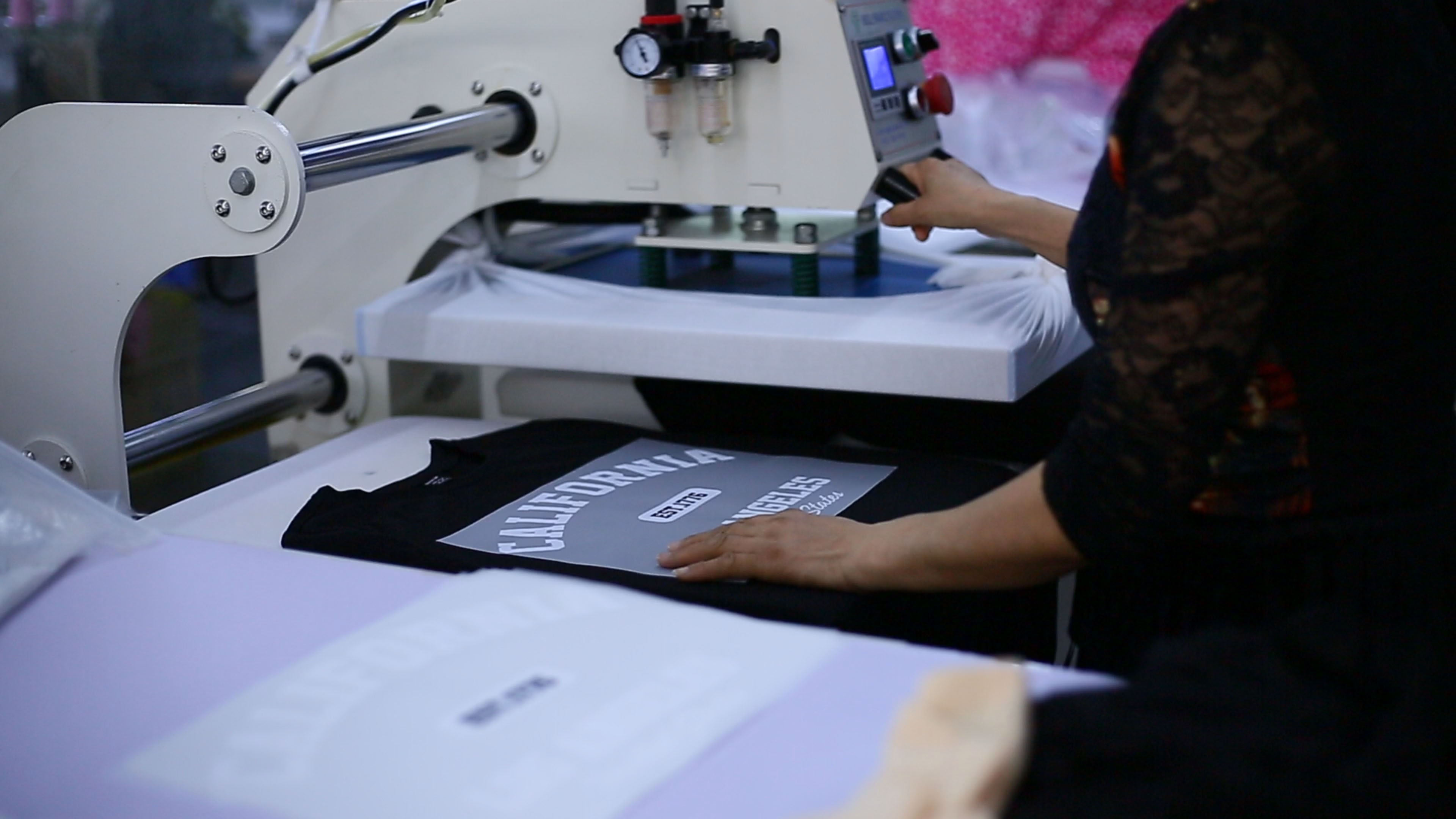
Integrating water-based inks into apparel production balances high-volume efficiency with eco-conscious standards. Full OEM/ODM services provide accessible production volumes, with MOQs set at 50 pieces per customized garment and 20 pieces for blank apparel. Comprehensive quality control governs every stage, from pre-production sample approvals to final AQL 2.5 inspections according to ISO 2859-1 standards. Flexible shipping options include FOB Shenzhen, DDP Door-to-Door, Express Courier (DHL/FedEx/UPS), and Sea Freight (FCL/LCL), with standard payment terms via Bank Transfer and Alipay. To discuss custom apparel solutions, contact our team at yutianfang88@gmail.com.
About Our Manufacturing Capabilities
Established in 2007, Dongguan City Dule Garment Co.,Ltd is a premier OEM and ODM manufacturer specializing in streetwear and heavyweight garments. Spanning 5,000 square meters with 200 dedicated employees, our facility features an independent R&D unit developing over 500 original designs annually. With end-to-end production lines, we partner with more than 200 global brands across North America, Europe, Australia, and Asia.

REPORT