







-
 Agriculture
-
 Health-Care
-
 Environment
-
 Construction-Real-Estate
-
 Tools-Hardware
-
 Home-Garden
-
 Furniture
-
 Luggage-Bags-Cases
-
 Medical-devices-Supplies
-
 Gifts-Crafts
-
 Sports-Entertainment
-
 Food-Beverage
-
 Vehicles-Transportation
-
 Power-Transmission
-
 Material-Handling
-
 Renewable-Energy
-
 Safety
-
 Testing-Instrument-Equipment
-
 Construction-Building-Machinery
-
 Pet-Supplies
-
 Personal-Care-Household-Cleaning
-
 Vehicle-Accessories-Electronics-Tools
-
 School-Office-Supplies
-
 Packaging-Printing
-
 Mother-Kids-Toys
-
 Business-Services
-
 Commercial-Equipment-Machinery
-
 Apparel-Accessories
-
 Security
-
 Shoes-Accessories
-
 Vehicle-Parts-Accessories
-
 Jewelry-Eyewear-Watches-Accessories
-
 Lights-Lighting
-
 Fabric-Textile-Raw-Material
-
 Fabrication-Services
-
 Industrial-Machinery
-
 Consumer-Electronics
-
 Electrical-Equipment-Supplies
-
 Electronic-Components-Accessories-Telecommunications
-
 Home-Appliances
-
 Beauty
-
 Chemicals
-
 Rubber-Plastics
-
 Metals-Alloys


























































































































































































































































































































































































































































































































































































- Masonry Materials
- Curtain Walls & Accessories
- Earthwork Products
- Fireproofing Materials
- Heat Insulation Materials
- Plastic Building Materials
- Building Boards
- Soundproofing Materials
- Timber
- Waterproofing Materials
- Balustrades & Handrails
- Bathroom & Kitchen
- Flooring & Accessories
- Tiles & Accessories
- Door, Window & Accessories
- Fireplaces & Stoves
- Floor Heating Systems & Parts
- Stairs & Stair Parts
- Ceilings
- Elevators & Escalators
- Stone
- Countertops, Vanity Tops & Table Tops
- Mosaics
- Metal Building Materials
- Multifunctional Materials
- Ladders & Scaffoldings
- Mouldings
- Corner Guards
- Decorative Films
- Formwork
- Building & Industrial Glass
- Other Construction & Real Estate
- Wallpapers/Wall panels
- HVAC System & Parts
- Outdoor Facilities
- Prefabricated Buildings
- Festive & Party Supplies
- Bathroom Products
- Household Sundries
- Rain Gear
- Garden Supplies
- Household Cleaning Tools & Accessories
- Lighters & Smoking Accessories
- Home Storage & Organization
- Household Scales
- Smart Home Improvement
- Home Textiles
- Kitchenware
- Drinkware & Accessories
- Dinnerware, Coffee & Wine
- Home Decor
- Golf
- Fitness & Body Building
- Amusement Park Facilities
- Billiards, Board Game,Coin Operated Games
- Musical Instruments
- Outdoor Affordable Luxury Sports
- Camping & Hiking
- Fishing
- Sports Safety&Rehabilitation
- Ball Sports Equipments
- Water Sports
- Winter Sports
- Luxury Travel Equipments
- Sports Shoes, Bags & Accessories
- Cycling
- Other Sports & Entertainment Products
- Artificial Grass&Sports Flooring&Sports Court Equipment
- Scooters
- Food Ingredients
- Honey & Honey Products
- Snacks
- Nuts & Kernels
- Seafood
- Plant & Animal Oil
- Beverages
- Fruit & Vegetable Products
- Frog & Escargot
- Bean Products
- Egg Products
- Dairy Products
- Seasonings & Condiments
- Canned Food
- Instant Food
- Baked Goods
- Other Food & Beverage
- Meat & Poultry
- Confectionery
- Grain Products
- Feminie Care
- Hair Care & Styling
- Body Care
- Hands & Feet Care
- Hygiene Products
- Men's Grooming
- Laundry Cleaning Supplies
- Travel Size & Gift Sets
- Room Deodorizers
- Other Personal Care Products
- Pest Control Products
- Special Household Cleaning
- Floor Cleaning
- Kitchen & Bathroom Cleaning
- Oral Care
- Bath Supplies
- Yellow Pages
- Correction Supplies
- Office Binding Supplies
- Office Cutting Supplies
- Board Erasers
- Office Adhesives & Tapes
- Education Supplies
- Pencil Cases & Bags
- Notebooks & Writing Pads
- File Folder Accessories
- Calendars
- Writing Accessories
- Commercial Office Supplies
- Pencil Sharpeners
- Pens
- Letter Pad/Paper
- Paper Envelopes
- Desk Organizers
- Pencils
- Markers & Highlighters
- Filing Products
- Art Supplies
- Easels
- Badge Holder & Accessories
- Office Paper
- Printer Supplies
- Book Covers
- Other Office & School Supplies
- Stationery Set
- Boards
- Clipboards
- Stamps
- Drafting Supplies
- Stencils
- Electronic Dictionary
- Books
- Map
- Magazines
- Calculators
- Baby & Toddler Toys
- Educational Toys
- Classic Toys
- Dress Up & Pretend Play
- Toy Vehicle
- Stuffed Animals & Plush Toys
- Outdoor Toys & Structures
- Balloons & Accessories
- Baby Food
- Children's Clothing
- Baby Supplies & Products
- Maternity Clothes
- Kids Shoes
- Baby Care
- Novelty & Gag Toys
- Dolls & Accessories
- Puzzle & Games
- Blocks & Model Building Toys
- Toddler Clothing
- Baby Clothing
- Kids' Luggage & Bags
- Arts, Crafts & DIY Toys
- Action & Toy Figures
- Baby Appliances
- Hobbies & Models
- Remote Control Toys
- Promotional Toys
- Pregnancy & Maternity
- Hygiene Products
- Kid's Textile&Bedding
- Novelty & Special Use
- Toy Weapons
- Baby Gifts
- Baby Storage & Organization
- Auto Drive Systems
- ATV/UTV Parts & Accessories
- Marine Parts & Accessories
- Other Auto Parts
- Trailer Parts & Accessories
- Auto Transmission Systems
- Train Parts & Accessories
- Universal Parts
- Railway Parts & Accessories
- Auto Brake Systems
- Aviation Parts & Accessories
- Truck Parts & Accessories
- Auto Suspension Systems
- Auto Lighting Systems
- New Energy Vehicle Parts & Accessories
- Auto Steering Systems
- Wheels, Tires & Accessories
- Bus Parts & Accessories
- Auto Performance Parts
- Cooling System
- Go-Kart & Kart Racer Parts & Accessories
- Air Conditioning Systems
- Heavy Duty Vehicle Parts & Accessories
- Auto Electrical Systems
- Auto Body Systems
- Auto Engine Systems
- Container Parts & Accessories
- Motorcycle Parts & Accessories
- Refrigeration & Heat Exchange Equipment
- Machine Tool Equipment
- Food & Beverage Machinery
- Agricultural Machinery & Equipment
- Apparel & Textile Machinery
- Chemical Machinery
- Packaging Machines
- Paper Production Machinery
- Plastic & Rubber Processing Machinery
- Industrial Robots
- Electronic Products Machinery
- Metal & Metallurgy Machinery
- Woodworking Machinery
- Home Product Manufacturing Machinery
- Machinery Accessories
- Environmental Machinery
- Machinery Service
- Electrical Equipment Manufacturing Machinery
- Industrial Compressors & Parts
- Tobacco & Cigarette Machinery
- Production Line
- Used Industrial Machinery
- Electronics Production Machinery
- Other Machinery & Industrial Equipment
- Camera, Photo & Accessories
- Portable Audio, Video & Accessories
- Television, Home Audio, Video & Accessories
- Video Games & Accessories
- Mobile Phone & Accessories
- Electronic Publications
- Earphone & Headphone & Accessories
- Speakers & Accessories
- Smart Electronics
- TV Receivers & Accessories
- Mobile Phone & Computer Repair Parts
- Chargers, Batteries & Power Supplies
- Used Electronics
- VR, AR, MR Hardware & Software
- Projectors & Presentation Equipments
- Other Consumer Electronics
- Cables & Commonly Used Accessories
- Computer Hardware & Software
- Displays, Signage and Optoelectronics
- Discrete Semiconductors
- Wireless & IoT Module and Products
- Telecommunications
- Connectors, Terminals & Accessories
- Development Boards, Electronic Modules and Kits
- Circuit Protection
- Sensors
- Isolators
- Audio Components and Products
- Integrated Circuits
- Power Supplies
- Relays
- RF, Microwave and RFID
- Electronic Accessories & Supplies
- Passive Components
- PCB & PCBA
- Air Quality Appliances
- Home Appliance Parts
- Heating & Cooling Appliances
- Small Kitchen Appliances
- Laundry Appliances
- Water Heaters
- Water Treatment Appliances
- Refrigerators & Freezers
- Personal Care & Beauty Appliances
- Major Kitchen Appliances
- Cleaning Appliances
- Second-hand Appliances
- Smart Home Appliances
- Other Home Appliances
- Energy Chemicals
- Inorganic Chemicals
- Basic Organic Chemicals
- Agrochemicals
- Admixture & Additives
- Catalysts & Chemical Auxiliary Agents
- Pigments & Dyestuff
- Coating & Paint
- Daily Chemicals
- Polymer
- Organic Intermediate
- Adhesives & Sealants
- Chemical Waste
- Biological Chemical Products
- Surface Treatment Chemicals
- Painting & Coating
- Chemical Reagents
- Flavor & Fragrance
- Non-Explosive Demolition Agents
- Other Chemicals
- Custom Chemical Services

Rising Metal Costs: What They Mean for Heated Towel Rail Design and Supply
Higher metal costs are often assumed to affect product design, pricing, and delivery reliability. However, the available records for ODO heated towel rails do not provide material-cost data, procurement terms, pricing records, or engineering change notices. As a result, no direct conclusion can be made about whether metal price increases have altered heated towel rail specifications or supply stability.
What the Available Records Confirm
The documented information provides a clearer view of manufacturing capability, quality management, and product credentials than of raw-material cost exposure. Foshan Pinshi Sanitary Ware Co., Ltd. states that it operates 20 production lines, has more than 200 production and R&D equipment units, and maintains a monthly output capacity of 100,000 pieces. It also describes 14 QC processes covering stages from incoming materials to finished-product inspection.
These operating indicators can support an initial evaluation of manufacturing readiness for heated towel rail projects. They should not, however, be interpreted as proof that capacity, lead times, or product pricing will remain unaffected when input-metal costs change.
Assessing Metal-Price Effects on Heated Towel Rail Design
A reliable assessment of design changes requires model-specific evidence, such as material grades, tube dimensions, wall thickness, component bills of materials, supplier agreements, and product revision histories. None of these records are supplied for the ODO heated towel rail range.
The available data identifies Stainless Steel 304 for a tile insert floor drain, but this information applies to that separate product category. It cannot be used as a material declaration for heated towel rails. Likewise, no evidence confirms that rising metal prices have resulted in changes to heated towel rail materials, finishes, dimensions, mounting structures, or electrical configurations.
Documented Product Credentials
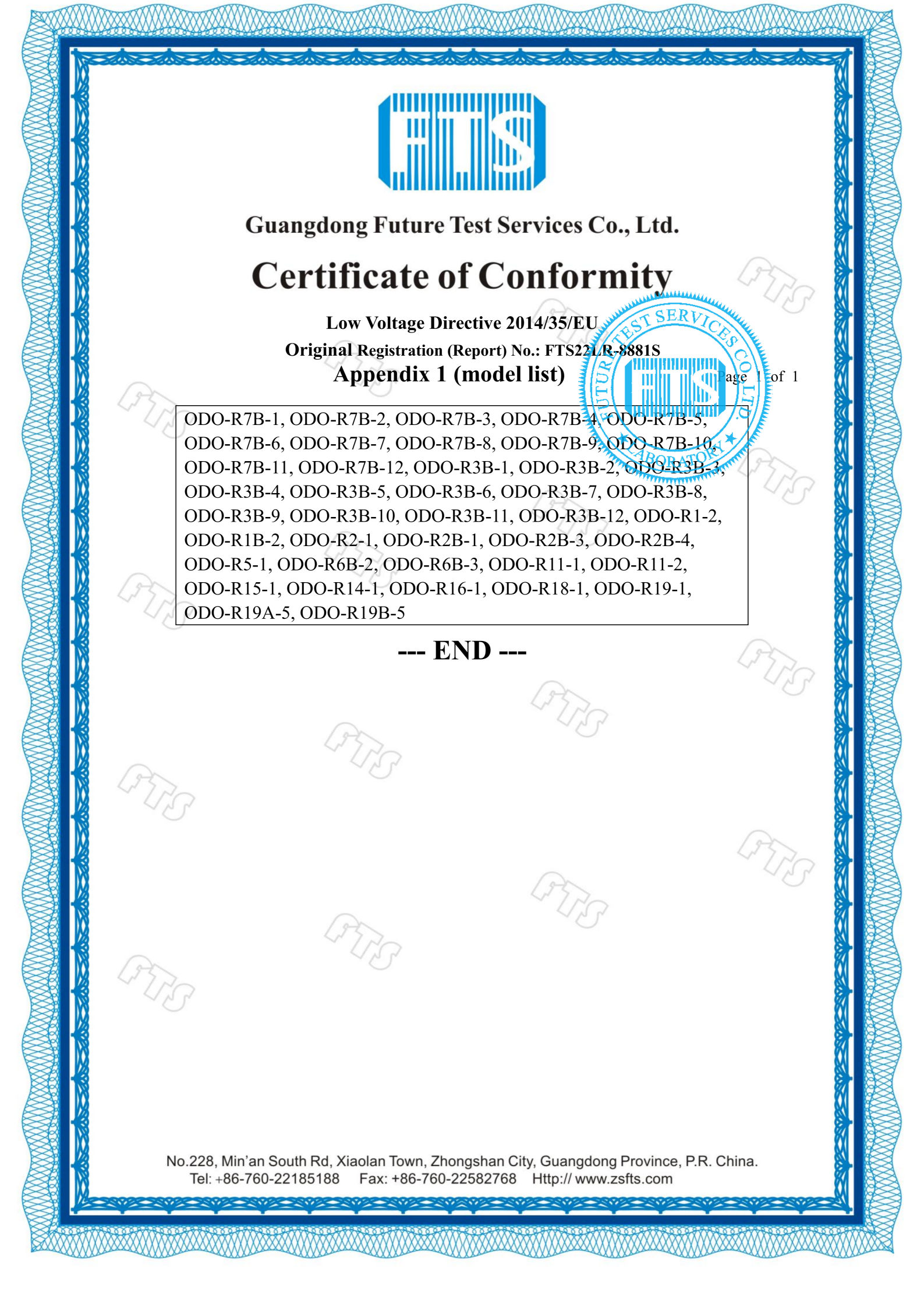
Several records identify specific heated towel rail designs and compliance documentation. These include the Heated towel rack CE-LVD FTS22LC-8881S certificate, the ODO-R2B Swivel Rotating Electric Heated Towel Rack Utility Model Patent Certificate, and the ODO-R5-1G Heated Towel Rack Design Patent Certificate. Such documents help buyers verify product identity, certified models, and documented design provenance, but they do not explain whether any model was redesigned in response to material market movements.
Supply Stability: Capacity Indicators and Procurement Considerations
Supply stability is best reviewed through documented production resources, quality controls, confirmed schedules, and order-specific delivery commitments. ODO's stated infrastructure of 20 production lines, over 200 production and R&D equipment units, and 100,000 pieces of monthly output indicates an established manufacturing base. The company also lists a 3–7 day timeframe for standard samples and a 20–45 day timeframe for bulk orders.
Still, these figures are planning references rather than guaranteed availability. Metal-price volatility may influence purchasing decisions, component sourcing, order prioritization, or commercial quotations, but the provided data does not state whether such effects have occurred. Buyers should therefore obtain a current production schedule and written lead-time confirmation for each project.
Documented Information vs. Unsupported Assumptions
| Review area | Information supported by records | Information not established |
|---|---|---|
| Product design | Specific heated towel rail models are associated with CE-LVD, design patent, and utility model patent documentation. | Whether metal prices caused adjustments to materials, product geometry, finishes, or components. |
| Production capability | 20 production lines, more than 200 production and R&D equipment units, and stated output of 100,000 pieces per month. | Whether the same capacity can be maintained under increased metal purchasing costs. |
| Order lead time | Standard samples are listed at 3–7 days, while bulk orders are listed at 20–45 days. | Whether lead times or allocation priorities change during raw-material price increases. |
| Quality assurance | 14 QC processes, a 2-year product warranty, and technical support are listed. | Whether sourcing changes would require revised quality-control procedures. |
Project Application and Purchasing Guidance
In a hotel renovation project in Poland, 260 sets of wall-mounted heated towel rails were supplied together with 450 sets of anti-odor floor drains. The recorded feedback described the solution as cost-effective and noted that the 14-step QC process met hotel project requirements. While this example demonstrates use in a bulk hospitality application, it does not provide evidence of price-driven redesigns, metal shortages, or delivery changes.
For installations in Wet Room / Shower Room settings and SPA & Wellness Center projects, purchasers should verify model-level requirements before approval. Recommended checks include current material specifications, electrical and installation requirements, applicable certificates, approved drawings, surface-finish details, confirmed quantities, and production timing.
Frequently Asked Questions
Do the records show that heated towel rail prices have increased?
No. The available information does not include historical product quotations, raw-metal purchasing costs, or notices of customer price adjustments.
Which factors support an initial review of supply stability?
The stated indicators include 20 production lines, more than 200 production and R&D equipment units, monthly output of 100,000 pieces, 14 QC processes, and a quoted 20–45 day bulk-order period. Actual stock and delivery dates should be verified when placing an order.
What payment and logistics options are listed for large orders?
T/T is listed for bulk and OEM/ODM orders. Sight L/C is listed for large-volume engineering projects and formal key clients. Ocean freight is available for bulk orders and large OEM/ODM projects, while multimodal transport is listed for major engineering and construction projects.
Conclusion
The supplied documentation supports an evaluation of ODO's stated manufacturing scale, QC coverage, project experience, and heated towel rail certification records. It does not provide sufficient evidence to measure how rising metal prices affect heated towel rail design, final pricing, or supply stability.
For OEM/ODM and project procurement, request an up-to-date quotation, confirmed material specification, production plan, delivery commitment, and model-specific certification documents before final approval. For detailed technical solutions or support, please reach out via charlene@seosodo.com.
About Us
Foshan Pinshi Sanitary Ware Co., Ltd., operating under the ODO brand, is a sanitary ware manufacturer established in 2014. Its product specialization includes bathroom accessories, floor drains, heated towel rails, niches, shower rooms, faucets, and shower sets. The company states that it has approximately 20,000 square meters of factory space and more than 11 years of OEM and ODM experience serving global sanitary ware brands. Its listed production resources include 20 production lines and monthly output of 100,000 pieces, while its documented credentials include the Heated towel rack CE-LVD FTS22LC-8881S certificate and the ODO-R2B Swivel Rotating Electric Heated Towel Rack Utility Model Patent Certificate.

REPORT