







-
 Agriculture
-
 Health-Care
-
 Environment
-
 Construction-Real-Estate
-
 Tools-Hardware
-
 Home-Garden
-
 Furniture
-
 Luggage-Bags-Cases
-
 Medical-devices-Supplies
-
 Gifts-Crafts
-
 Sports-Entertainment
-
 Food-Beverage
-
 Vehicles-Transportation
-
 Power-Transmission
-
 Material-Handling
-
 Renewable-Energy
-
 Safety
-
 Testing-Instrument-Equipment
-
 Construction-Building-Machinery
-
 Pet-Supplies
-
 Personal-Care-Household-Cleaning
-
 Vehicle-Accessories-Electronics-Tools
-
 School-Office-Supplies
-
 Packaging-Printing
-
 Mother-Kids-Toys
-
 Business-Services
-
 Commercial-Equipment-Machinery
-
 Apparel-Accessories
-
 Security
-
 Shoes-Accessories
-
 Vehicle-Parts-Accessories
-
 Jewelry-Eyewear-Watches-Accessories
-
 Lights-Lighting
-
 Fabric-Textile-Raw-Material
-
 Fabrication-Services
-
 Industrial-Machinery
-
 Consumer-Electronics
-
 Electrical-Equipment-Supplies
-
 Electronic-Components-Accessories-Telecommunications
-
 Home-Appliances
-
 Beauty
-
 Chemicals
-
 Rubber-Plastics
-
 Metals-Alloys








































































































































































































































- Masonry Materials
- Curtain Walls & Accessories
- Earthwork Products
- Fireproofing Materials
- Heat Insulation Materials
- Plastic Building Materials
- Building Boards
- Soundproofing Materials
- Timber
- Waterproofing Materials
- Balustrades & Handrails
- Bathroom & Kitchen
- Flooring & Accessories
- Tiles & Accessories
- Door, Window & Accessories
- Fireplaces & Stoves
- Floor Heating Systems & Parts
- Stairs & Stair Parts
- Ceilings
- Elevators & Escalators
- Stone
- Countertops, Vanity Tops & Table Tops
- Mosaics
- Metal Building Materials
- Multifunctional Materials
- Ladders & Scaffoldings
- Mouldings
- Corner Guards
- Decorative Films
- Formwork
- Building & Industrial Glass
- Other Construction & Real Estate
- Wallpapers/Wall panels
- HVAC System & Parts
- Outdoor Facilities
- Prefabricated Buildings
- Festive & Party Supplies
- Bathroom Products
- Household Sundries
- Rain Gear
- Garden Supplies
- Household Cleaning Tools & Accessories
- Lighters & Smoking Accessories
- Home Storage & Organization
- Household Scales
- Smart Home Improvement
- Home Textiles
- Kitchenware
- Drinkware & Accessories
- Dinnerware, Coffee & Wine
- Home Decor
- Golf
- Fitness & Body Building
- Amusement Park Facilities
- Billiards, Board Game,Coin Operated Games
- Musical Instruments
- Outdoor Affordable Luxury Sports
- Camping & Hiking
- Fishing
- Sports Safety&Rehabilitation
- Ball Sports Equipments
- Water Sports
- Winter Sports
- Luxury Travel Equipments
- Sports Shoes, Bags & Accessories
- Cycling
- Other Sports & Entertainment Products
- Artificial Grass&Sports Flooring&Sports Court Equipment
- Scooters
- Food Ingredients
- Honey & Honey Products
- Snacks
- Nuts & Kernels
- Seafood
- Plant & Animal Oil
- Beverages
- Fruit & Vegetable Products
- Frog & Escargot
- Bean Products
- Egg Products
- Dairy Products
- Seasonings & Condiments
- Canned Food
- Instant Food
- Baked Goods
- Other Food & Beverage
- Meat & Poultry
- Confectionery
- Grain Products
- Feminie Care
- Hair Care & Styling
- Body Care
- Hands & Feet Care
- Hygiene Products
- Men's Grooming
- Laundry Cleaning Supplies
- Travel Size & Gift Sets
- Room Deodorizers
- Other Personal Care Products
- Pest Control Products
- Special Household Cleaning
- Floor Cleaning
- Kitchen & Bathroom Cleaning
- Oral Care
- Bath Supplies
- Yellow Pages
- Correction Supplies
- Office Binding Supplies
- Office Cutting Supplies
- Board Erasers
- Office Adhesives & Tapes
- Education Supplies
- Pencil Cases & Bags
- Notebooks & Writing Pads
- File Folder Accessories
- Calendars
- Writing Accessories
- Commercial Office Supplies
- Pencil Sharpeners
- Pens
- Letter Pad/Paper
- Paper Envelopes
- Desk Organizers
- Pencils
- Markers & Highlighters
- Filing Products
- Art Supplies
- Easels
- Badge Holder & Accessories
- Office Paper
- Printer Supplies
- Book Covers
- Other Office & School Supplies
- Stationery Set
- Boards
- Clipboards
- Stamps
- Drafting Supplies
- Stencils
- Electronic Dictionary
- Books
- Map
- Magazines
- Calculators
- Baby & Toddler Toys
- Educational Toys
- Classic Toys
- Dress Up & Pretend Play
- Toy Vehicle
- Stuffed Animals & Plush Toys
- Outdoor Toys & Structures
- Balloons & Accessories
- Baby Food
- Children's Clothing
- Baby Supplies & Products
- Maternity Clothes
- Kids Shoes
- Baby Care
- Novelty & Gag Toys
- Dolls & Accessories
- Puzzle & Games
- Blocks & Model Building Toys
- Toddler Clothing
- Baby Clothing
- Kids' Luggage & Bags
- Arts, Crafts & DIY Toys
- Action & Toy Figures
- Baby Appliances
- Hobbies & Models
- Remote Control Toys
- Promotional Toys
- Pregnancy & Maternity
- Hygiene Products
- Kid's Textile&Bedding
- Novelty & Special Use
- Toy Weapons
- Baby Gifts
- Baby Storage & Organization
- Auto Drive Systems
- ATV/UTV Parts & Accessories
- Marine Parts & Accessories
- Other Auto Parts
- Trailer Parts & Accessories
- Auto Transmission Systems
- Train Parts & Accessories
- Universal Parts
- Railway Parts & Accessories
- Auto Brake Systems
- Aviation Parts & Accessories
- Truck Parts & Accessories
- Auto Suspension Systems
- Auto Lighting Systems
- New Energy Vehicle Parts & Accessories
- Auto Steering Systems
- Wheels, Tires & Accessories
- Bus Parts & Accessories
- Auto Performance Parts
- Cooling System
- Go-Kart & Kart Racer Parts & Accessories
- Air Conditioning Systems
- Heavy Duty Vehicle Parts & Accessories
- Auto Electrical Systems
- Auto Body Systems
- Auto Engine Systems
- Container Parts & Accessories
- Motorcycle Parts & Accessories
- Refrigeration & Heat Exchange Equipment
- Machine Tool Equipment
- Food & Beverage Machinery
- Agricultural Machinery & Equipment
- Apparel & Textile Machinery
- Chemical Machinery
- Packaging Machines
- Paper Production Machinery
- Plastic & Rubber Processing Machinery
- Industrial Robots
- Electronic Products Machinery
- Metal & Metallurgy Machinery
- Woodworking Machinery
- Home Product Manufacturing Machinery
- Machinery Accessories
- Environmental Machinery
- Machinery Service
- Electrical Equipment Manufacturing Machinery
- Industrial Compressors & Parts
- Tobacco & Cigarette Machinery
- Production Line
- Used Industrial Machinery
- Electronics Production Machinery
- Other Machinery & Industrial Equipment
- Camera, Photo & Accessories
- Portable Audio, Video & Accessories
- Television, Home Audio, Video & Accessories
- Video Games & Accessories
- Mobile Phone & Accessories
- Electronic Publications
- Earphone & Headphone & Accessories
- Speakers & Accessories
- Smart Electronics
- TV Receivers & Accessories
- Mobile Phone & Computer Repair Parts
- Chargers, Batteries & Power Supplies
- Used Electronics
- VR, AR, MR Hardware & Software
- Projectors & Presentation Equipments
- Other Consumer Electronics
- Cables & Commonly Used Accessories
- Computer Hardware & Software
- Displays, Signage and Optoelectronics
- Discrete Semiconductors
- Wireless & IoT Module and Products
- Telecommunications
- Connectors, Terminals & Accessories
- Development Boards, Electronic Modules and Kits
- Circuit Protection
- Sensors
- Isolators
- Audio Components and Products
- Integrated Circuits
- Power Supplies
- Relays
- RF, Microwave and RFID
- Electronic Accessories & Supplies
- Passive Components
- PCB & PCBA
- Air Quality Appliances
- Home Appliance Parts
- Heating & Cooling Appliances
- Small Kitchen Appliances
- Laundry Appliances
- Water Heaters
- Water Treatment Appliances
- Refrigerators & Freezers
- Personal Care & Beauty Appliances
- Major Kitchen Appliances
- Cleaning Appliances
- Second-hand Appliances
- Smart Home Appliances
- Other Home Appliances
- Energy Chemicals
- Inorganic Chemicals
- Basic Organic Chemicals
- Agrochemicals
- Admixture & Additives
- Catalysts & Chemical Auxiliary Agents
- Pigments & Dyestuff
- Coating & Paint
- Daily Chemicals
- Polymer
- Organic Intermediate
- Adhesives & Sealants
- Chemical Waste
- Biological Chemical Products
- Surface Treatment Chemicals
- Painting & Coating
- Chemical Reagents
- Flavor & Fragrance
- Non-Explosive Demolition Agents
- Other Chemicals
- Custom Chemical Services

Safety Markings and Operating Instructions for a Handheld Clinching Gun
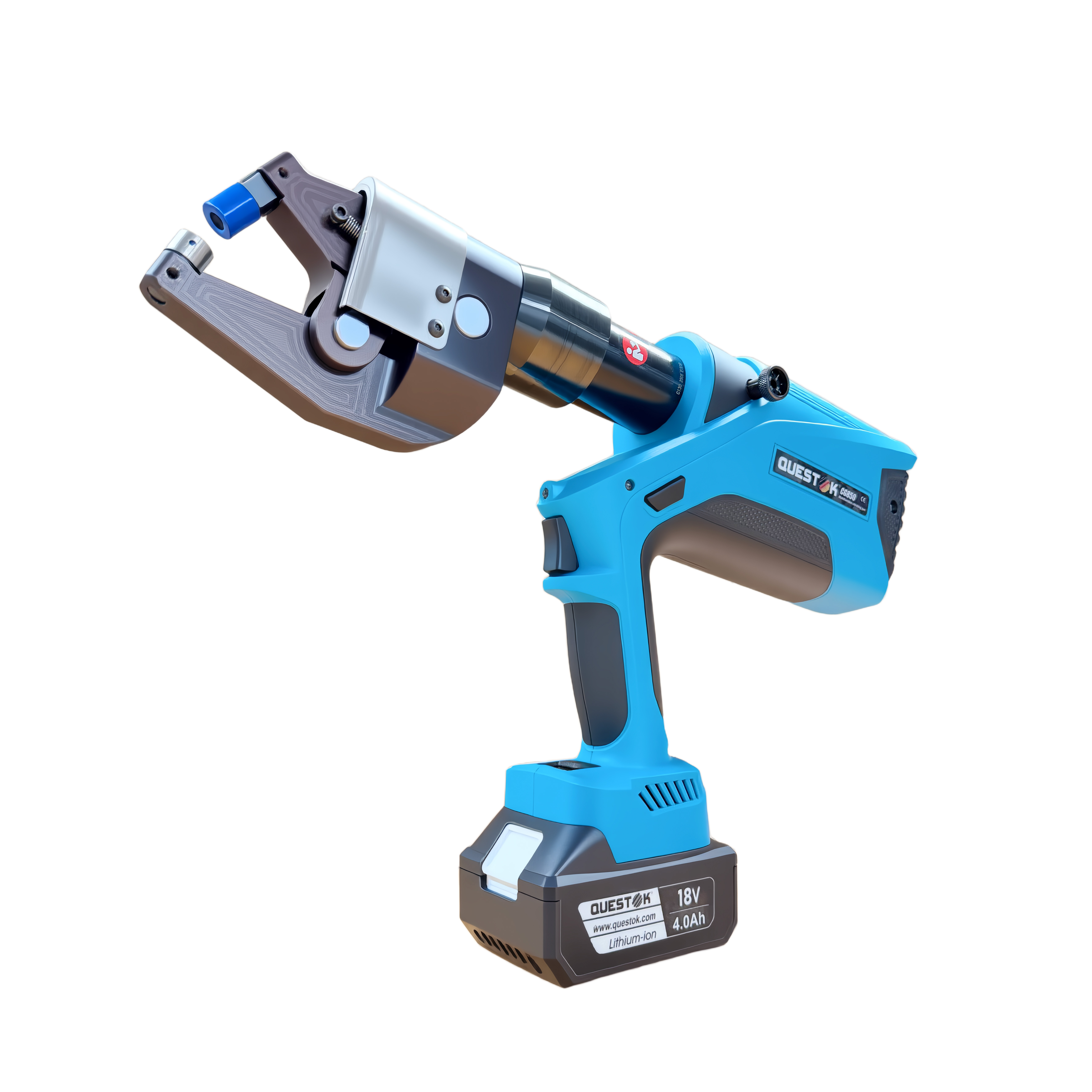
Effective safety information for a handheld clinching gun must identify the equipment, define its approved operating range, explain inspection requirements, and provide clear instructions for abnormal conditions and technical support. For the QUESTOK rectangular clinching gun, the documentation should specify its 30-60 kN adjustable output pressure and connect the operating procedure to approved sheet metal joining applications.
Essential Markings and Operator Information
- Display the tool name, model or product identity, and intended rectangular clinching application.
- State the adjustable output pressure range of 30-60 kN and require verification of the selected pressure before each operation.
- Describe pre-use inspection, workpiece positioning, joining activation, finished-joint inspection, and shutdown procedures.
- Identify the approved workpieces, including stainless steel elevator sill covers and toe kick plates.
- Provide instructions for stopping the tool and contacting technical support when its performance or pressure adjustment is abnormal.
How the Safety Information Should Be Structured
Tool identity and intended use
The marking should make it immediately clear that the equipment is a handheld rectangular clinching gun rather than a general-purpose fastening device. Its documentation should identify the intended use of joining stainless steel elevator sill covers and toe kick plates. Where additional configurations have been validated, the manual may also identify the relevant HVAC, white goods, commercial kitchen, commercial freezer, or control cabinet applications.
Application-specific identification helps operators select the correct tooling, workpiece combination, and joining location. It also prevents the gun from being used for materials or processes that have not been approved through technical validation.
Pressure range and adjustment
Output pressure is one of the most important operating parameters. The specified range for this product is 30-60 kN, and the pressure is described as precisely adjustable. The marking should present this range in a prominent and readable format. The operator instructions should require confirmation of the pressure setting before a joining cycle begins and should prohibit operation beyond the stated range unless an authorized technical specification permits it.
For production use, the manual should associate the selected pressure with the validated material combination and tooling configuration. Recording these settings supports repeatable joints and makes it easier to investigate quality deviations.
Recommended Operating Procedure
1. Complete a pre-use inspection
Before energizing or activating the gun, the operator should confirm that the tool is complete, clean, and suitable for the planned task. The working area should be checked for safe access, stable workpiece support, and the correct joining components. The operator should also verify that the pressure adjustment mechanism functions as intended and that the selected setting matches the approved process instructions.
The product information describes the equipment as fully inspected. However, the final user manual should provide a configuration-specific checklist covering the tool body, controls, connections, working head, guards or protective features, and any accessories supplied with the selected model.
2. Position and perform the joining operation
Place the rectangular clinching gun squarely over the approved joining point and ensure that the workpiece is supported in accordance with the process specification. Confirm the pressure once more, then activate the tool using the approved operating method. The operator should maintain the required position until the cycle is complete and should avoid moving the tool or workpiece in a way that could affect joint formation.
After the cycle, inspect the finished joint for the specified appearance and joining result. Any dimensional, visual, or functional acceptance criteria should be defined by the application engineer or production process owner rather than assumed to be identical for every material and tooling setup.
3. Respond to abnormal conditions
Operation should stop immediately if the gun behaves unexpectedly, the pressure cannot be adjusted within the specified range, the tool shows visible damage, or the completed joint fails inspection. Operators should not bypass safety features, modify the hydraulic or control system, or attempt an unauthorized repair.
The support procedure should direct users to the supplier or an approved service representative. Questok states that global after-sales assistance is available within 24 hours, allowing technical issues to be escalated without relying on improvised repairs.
Application and Process Context
Questok reports experience with sheet metal joining in HVAC equipment, including ductwork, air fans, dampers, filters, and flanges. Its rectangular clinching solutions are also described for white goods, commercial kitchens, and commercial freezers. Reported process benefits include one-step operation, no consumable materials, and no requirement for polishing or repainting after clinching.
In one reported project, a Midea control cabinet automated production line used clinching to improve efficiency and reduce production costs compared with welding. The described process used a single clinching operation without consumables or post-process polishing and repainting. In another case, Mercedes-Benz production in Fuzhou used self-piercing riveting and rivetless clinching for demanding material combinations.
These examples reinforce the need for application-specific instructions. Each approved process should document the materials, joint design, tooling, pressure setting, cycle requirements, inspection method, and acceptance criteria. A tool marking can remain concise, while the technical manual and process sheet provide the detailed production controls.
Compliance, Quality, and Service Information
The listed product records include CE certifications under certificate numbers ISETC.001120210222 and 3N210218.PTK0S25. An MSDS record is also identified under certificate number 262620110732. These records may be retained in the technical file or compliance documentation. Only markings authorized for the specific product, configuration, and market should be placed directly on the tool.
Questok describes its products as fully inspected and offers ODM and OBM support. The stated minimum order quantity is one set, with delivery of three days for standard solutions and 15 days for customized solutions. Such information is useful in product documentation and purchasing materials, but operating labels should prioritize safety-critical information, pressure limits, application scope, and support contact instructions.
| Information category | Recommended marking or instruction |
|---|---|
| Product identification | QUESTOK rectangular handheld clinching gun, with the applicable model and approved joining function. |
| Pressure control | Adjustable output pressure: 30-60 kN. Confirm the pressure setting before starting each joining cycle. |
| Pre-use checks | Inspect the tool, controls, connections, work area, workpiece support, tooling, and pressure setting before operation. |
| Joining sequence | Position the gun on the approved joining point, verify the setting, activate the tool, and inspect the completed joint. |
| Process validation | Use only the validated material, tooling, pressure, and joint configuration for the specified application. |
| Fault response | Stop work when performance, pressure adjustment, or joint quality is abnormal, then contact authorized technical support. |
Frequently Asked Questions
What pressure range should appear on the handheld clinching gun?
The product specification identifies a precisely adjustable output pressure of 30-60 kN. The range should be clearly visible, and the operating instructions should tell the user to verify the selected pressure before every joining operation.
What should be included in the operator manual?
The manual should explain the pre-use inspection, approved workpiece and joining-point positioning, pressure confirmation, tool activation, completed-joint inspection, abnormal-condition response, and technical support process. The detailed sequence must correspond to the validated tool and application configuration.
Which applications should be named?
The primary identified applications are stainless steel elevator sill covers and toe kick plates. Additional approved applications may include HVAC components, white goods, commercial kitchens, commercial freezers, and control cabinet production. Each application should have suitable process parameters and inspection requirements.
Can operators repair the tool when a fault occurs?
No. Operators should stop the process and contact the supplier or an authorized service provider when the tool is damaged, pressure adjustment is abnormal, or joint quality is unacceptable. Unauthorized repairs can create further safety and process-control risks.
Conclusion
A complete marking and instruction system for a handheld clinching gun should combine concise labels with detailed, application-specific operating documentation. The tool should identify its rectangular clinching function, approved workpieces, adjustable 30-60 kN pressure range, and pressure verification requirement. The manual should then guide the operator through inspection, positioning, joining, quality checking, fault response, and technical support.
Questok's engineering capabilities cover industrial design, mechanical engineering, hydraulic systems, electrical and electronic controls, battery-powered tool platforms, fastening process development, validation, and reliability testing. These capabilities support documentation that links pressure control and tool operation to repeatable production results. For technical solutions or service assistance, contact jane@questok.com or visit PHOTON TECHNOLOGY KUNSHAN CO.,LTD.
About PHOTON TECHNOLOGY KUNSHAN CO.,LTD
PHOTON TECHNOLOGY KUNSHAN CO.,LTD, operating under the Questok brand, develops fastening, joining, and assembly equipment for industrial manufacturing. Its portfolio includes clinching guns, clinching equipment, fasteners pressing tools, self-piercing riveting systems, and integrated fastening solutions. The company states that its R&D team includes engineers with more than 10 years of experience in mechanical, hydraulic, electrical, control, process, validation, and reliability engineering. It also lists CE certifications and service coverage for multiple industrial sectors.

REPORT