







-
 Agriculture
-
 Health-Care
-
 Environment
-
 Construction-Real-Estate
-
 Tools-Hardware
-
 Home-Garden
-
 Furniture
-
 Luggage-Bags-Cases
-
 Medical-devices-Supplies
-
 Gifts-Crafts
-
 Sports-Entertainment
-
 Food-Beverage
-
 Vehicles-Transportation
-
 Power-Transmission
-
 Material-Handling
-
 Renewable-Energy
-
 Safety
-
 Testing-Instrument-Equipment
-
 Construction-Building-Machinery
-
 Pet-Supplies
-
 Personal-Care-Household-Cleaning
-
 Vehicle-Accessories-Electronics-Tools
-
 School-Office-Supplies
-
 Packaging-Printing
-
 Mother-Kids-Toys
-
 Business-Services
-
 Commercial-Equipment-Machinery
-
 Apparel-Accessories
-
 Security
-
 Shoes-Accessories
-
 Vehicle-Parts-Accessories
-
 Jewelry-Eyewear-Watches-Accessories
-
 Lights-Lighting
-
 Fabric-Textile-Raw-Material
-
 Fabrication-Services
-
 Industrial-Machinery
-
 Consumer-Electronics
-
 Electrical-Equipment-Supplies
-
 Electronic-Components-Accessories-Telecommunications
-
 Home-Appliances
-
 Beauty
-
 Chemicals
-
 Rubber-Plastics
-
 Metals-Alloys


























































































































































































































































































































































































































































































































































































- Masonry Materials
- Curtain Walls & Accessories
- Earthwork Products
- Fireproofing Materials
- Heat Insulation Materials
- Plastic Building Materials
- Building Boards
- Soundproofing Materials
- Timber
- Waterproofing Materials
- Balustrades & Handrails
- Bathroom & Kitchen
- Flooring & Accessories
- Tiles & Accessories
- Door, Window & Accessories
- Fireplaces & Stoves
- Floor Heating Systems & Parts
- Stairs & Stair Parts
- Ceilings
- Elevators & Escalators
- Stone
- Countertops, Vanity Tops & Table Tops
- Mosaics
- Metal Building Materials
- Multifunctional Materials
- Ladders & Scaffoldings
- Mouldings
- Corner Guards
- Decorative Films
- Formwork
- Building & Industrial Glass
- Other Construction & Real Estate
- Wallpapers/Wall panels
- HVAC System & Parts
- Outdoor Facilities
- Prefabricated Buildings
- Festive & Party Supplies
- Bathroom Products
- Household Sundries
- Rain Gear
- Garden Supplies
- Household Cleaning Tools & Accessories
- Lighters & Smoking Accessories
- Home Storage & Organization
- Household Scales
- Smart Home Improvement
- Home Textiles
- Kitchenware
- Drinkware & Accessories
- Dinnerware, Coffee & Wine
- Home Decor
- Golf
- Fitness & Body Building
- Amusement Park Facilities
- Billiards, Board Game,Coin Operated Games
- Musical Instruments
- Outdoor Affordable Luxury Sports
- Camping & Hiking
- Fishing
- Sports Safety&Rehabilitation
- Ball Sports Equipments
- Water Sports
- Winter Sports
- Luxury Travel Equipments
- Sports Shoes, Bags & Accessories
- Cycling
- Other Sports & Entertainment Products
- Artificial Grass&Sports Flooring&Sports Court Equipment
- Scooters
- Food Ingredients
- Honey & Honey Products
- Snacks
- Nuts & Kernels
- Seafood
- Plant & Animal Oil
- Beverages
- Fruit & Vegetable Products
- Frog & Escargot
- Bean Products
- Egg Products
- Dairy Products
- Seasonings & Condiments
- Canned Food
- Instant Food
- Baked Goods
- Other Food & Beverage
- Meat & Poultry
- Confectionery
- Grain Products
- Feminie Care
- Hair Care & Styling
- Body Care
- Hands & Feet Care
- Hygiene Products
- Men's Grooming
- Laundry Cleaning Supplies
- Travel Size & Gift Sets
- Room Deodorizers
- Other Personal Care Products
- Pest Control Products
- Special Household Cleaning
- Floor Cleaning
- Kitchen & Bathroom Cleaning
- Oral Care
- Bath Supplies
- Yellow Pages
- Correction Supplies
- Office Binding Supplies
- Office Cutting Supplies
- Board Erasers
- Office Adhesives & Tapes
- Education Supplies
- Pencil Cases & Bags
- Notebooks & Writing Pads
- File Folder Accessories
- Calendars
- Writing Accessories
- Commercial Office Supplies
- Pencil Sharpeners
- Pens
- Letter Pad/Paper
- Paper Envelopes
- Desk Organizers
- Pencils
- Markers & Highlighters
- Filing Products
- Art Supplies
- Easels
- Badge Holder & Accessories
- Office Paper
- Printer Supplies
- Book Covers
- Other Office & School Supplies
- Stationery Set
- Boards
- Clipboards
- Stamps
- Drafting Supplies
- Stencils
- Electronic Dictionary
- Books
- Map
- Magazines
- Calculators
- Baby & Toddler Toys
- Educational Toys
- Classic Toys
- Dress Up & Pretend Play
- Toy Vehicle
- Stuffed Animals & Plush Toys
- Outdoor Toys & Structures
- Balloons & Accessories
- Baby Food
- Children's Clothing
- Baby Supplies & Products
- Maternity Clothes
- Kids Shoes
- Baby Care
- Novelty & Gag Toys
- Dolls & Accessories
- Puzzle & Games
- Blocks & Model Building Toys
- Toddler Clothing
- Baby Clothing
- Kids' Luggage & Bags
- Arts, Crafts & DIY Toys
- Action & Toy Figures
- Baby Appliances
- Hobbies & Models
- Remote Control Toys
- Promotional Toys
- Pregnancy & Maternity
- Hygiene Products
- Kid's Textile&Bedding
- Novelty & Special Use
- Toy Weapons
- Baby Gifts
- Baby Storage & Organization
- Auto Drive Systems
- ATV/UTV Parts & Accessories
- Marine Parts & Accessories
- Other Auto Parts
- Trailer Parts & Accessories
- Auto Transmission Systems
- Train Parts & Accessories
- Universal Parts
- Railway Parts & Accessories
- Auto Brake Systems
- Aviation Parts & Accessories
- Truck Parts & Accessories
- Auto Suspension Systems
- Auto Lighting Systems
- New Energy Vehicle Parts & Accessories
- Auto Steering Systems
- Wheels, Tires & Accessories
- Bus Parts & Accessories
- Auto Performance Parts
- Cooling System
- Go-Kart & Kart Racer Parts & Accessories
- Air Conditioning Systems
- Heavy Duty Vehicle Parts & Accessories
- Auto Electrical Systems
- Auto Body Systems
- Auto Engine Systems
- Container Parts & Accessories
- Motorcycle Parts & Accessories
- Refrigeration & Heat Exchange Equipment
- Machine Tool Equipment
- Food & Beverage Machinery
- Agricultural Machinery & Equipment
- Apparel & Textile Machinery
- Chemical Machinery
- Packaging Machines
- Paper Production Machinery
- Plastic & Rubber Processing Machinery
- Industrial Robots
- Electronic Products Machinery
- Metal & Metallurgy Machinery
- Woodworking Machinery
- Home Product Manufacturing Machinery
- Machinery Accessories
- Environmental Machinery
- Machinery Service
- Electrical Equipment Manufacturing Machinery
- Industrial Compressors & Parts
- Tobacco & Cigarette Machinery
- Production Line
- Used Industrial Machinery
- Electronics Production Machinery
- Other Machinery & Industrial Equipment
- Camera, Photo & Accessories
- Portable Audio, Video & Accessories
- Television, Home Audio, Video & Accessories
- Video Games & Accessories
- Mobile Phone & Accessories
- Electronic Publications
- Earphone & Headphone & Accessories
- Speakers & Accessories
- Smart Electronics
- TV Receivers & Accessories
- Mobile Phone & Computer Repair Parts
- Chargers, Batteries & Power Supplies
- Used Electronics
- VR, AR, MR Hardware & Software
- Projectors & Presentation Equipments
- Other Consumer Electronics
- Cables & Commonly Used Accessories
- Computer Hardware & Software
- Displays, Signage and Optoelectronics
- Discrete Semiconductors
- Wireless & IoT Module and Products
- Telecommunications
- Connectors, Terminals & Accessories
- Development Boards, Electronic Modules and Kits
- Circuit Protection
- Sensors
- Isolators
- Audio Components and Products
- Integrated Circuits
- Power Supplies
- Relays
- RF, Microwave and RFID
- Electronic Accessories & Supplies
- Passive Components
- PCB & PCBA
- Air Quality Appliances
- Home Appliance Parts
- Heating & Cooling Appliances
- Small Kitchen Appliances
- Laundry Appliances
- Water Heaters
- Water Treatment Appliances
- Refrigerators & Freezers
- Personal Care & Beauty Appliances
- Major Kitchen Appliances
- Cleaning Appliances
- Second-hand Appliances
- Smart Home Appliances
- Other Home Appliances
- Energy Chemicals
- Inorganic Chemicals
- Basic Organic Chemicals
- Agrochemicals
- Admixture & Additives
- Catalysts & Chemical Auxiliary Agents
- Pigments & Dyestuff
- Coating & Paint
- Daily Chemicals
- Polymer
- Organic Intermediate
- Adhesives & Sealants
- Chemical Waste
- Biological Chemical Products
- Surface Treatment Chemicals
- Painting & Coating
- Chemical Reagents
- Flavor & Fragrance
- Non-Explosive Demolition Agents
- Other Chemicals
- Custom Chemical Services

Sustainable Heating Solutions: How Eco-Friendly Trends Are Transforming Heated Towel Rail Manufacturing
Revolutionizing Bathroom Climate Control: Green Production Technologies
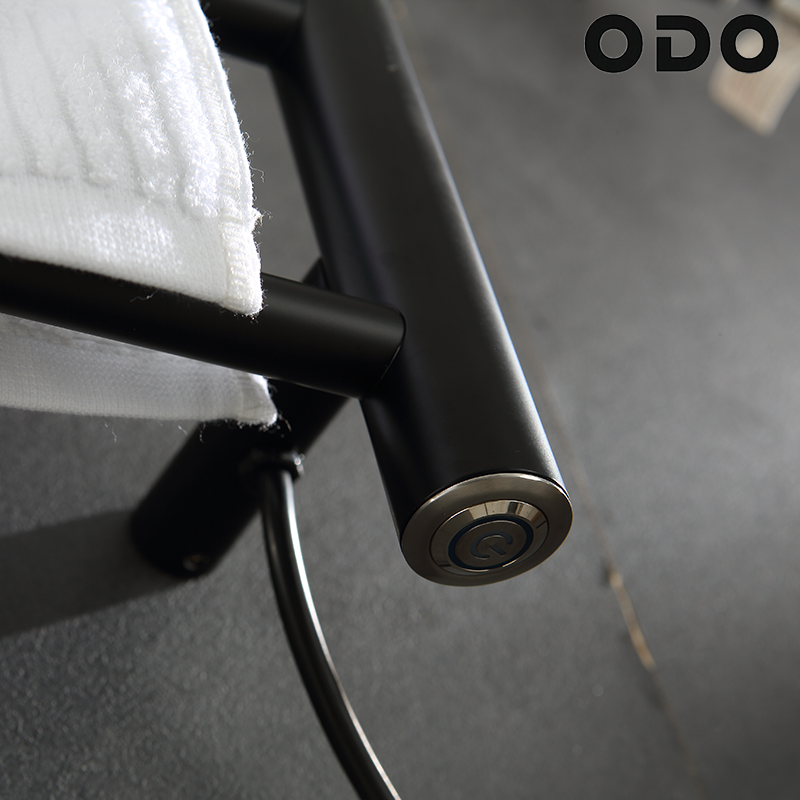
As sustainable architectural standards advance globally, the manufacturing of electric towel warmers is undergoing a significant shift toward zero-carbon operations. Contemporary production strategies prioritize dry carbon fiber heating technology over traditional liquid-filled media, drastically lowering energy demand. Utilizing high-grade 304 stainless steel frameworks alongside ultra-low 100W heating elements, next-generation rails draw approximately 0.1 kWh per hour while effortlessly maintaining optimal surface temperatures between 45°C and 60°C.
Global Case Studies & Commercial Implementations
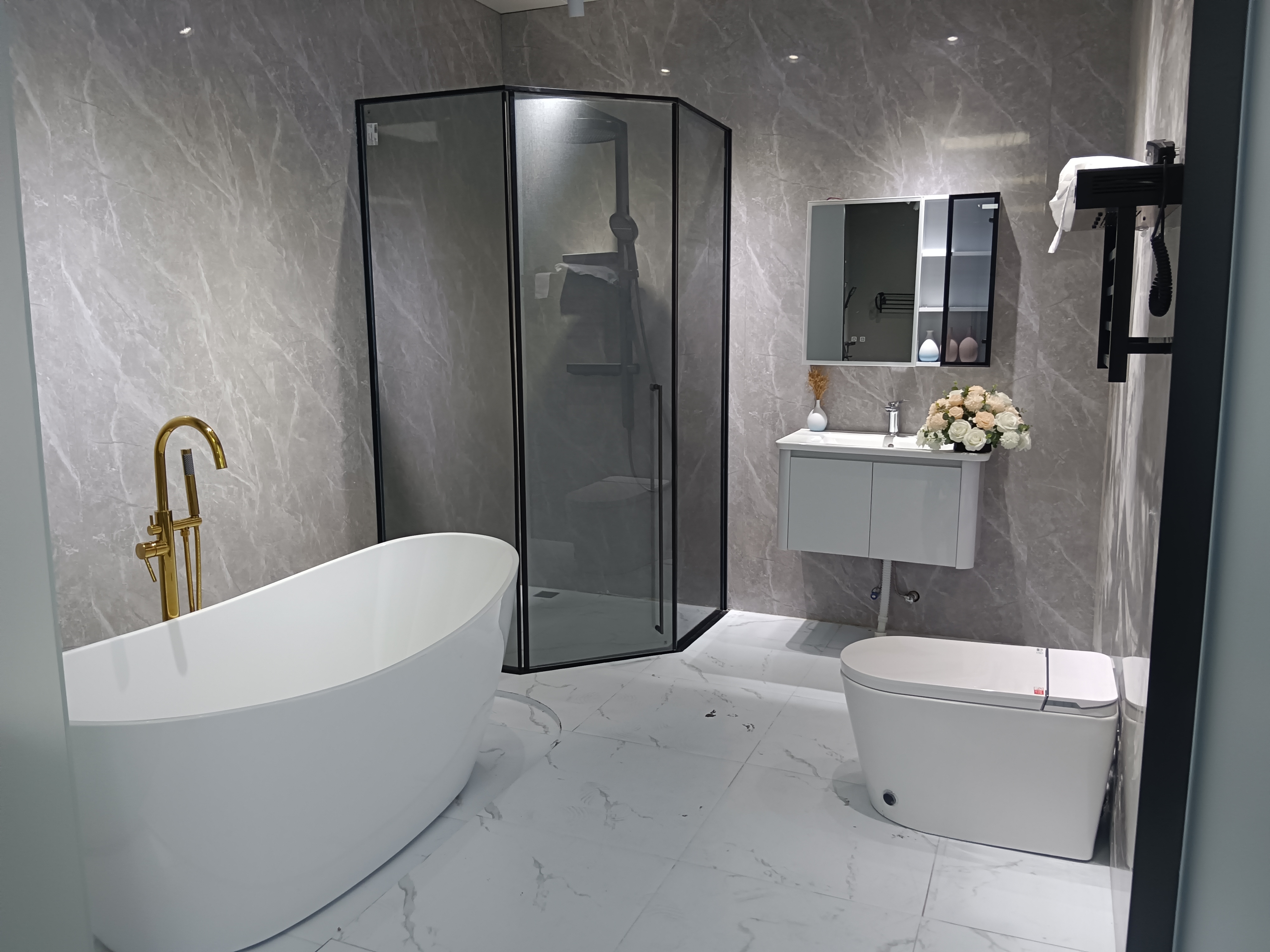
The transition to eco-conscious heated towel rails is clearly demonstrated across major hospitality and real estate developments worldwide. For instance, the luxury Dubai Palm Jumeirah 5-Star Hotel deployed 380 smart units engineered to withstand demanding coastal salt spray while adhering to strict environmental benchmarks. Similarly, the Warsaw Chain Hotel Renovation integrated 260 wall-mounted electric rails to deliver energy-conscious climate control across guest rooms. Beyond hotel suites, these durable fixtures excel in high-end villas, boutique homestays, wellness SPAs, senior living facilities, and commercial office restrooms.
Advanced Material Engineering & Safety Compliance
Achieving zero-carbon goals requires a comprehensive approach to product lifecycles. Leading manufacturers utilize eco-friendly surface treatments such as Physical Vapor Deposition (PVD) coating, brushed textures, and VOC-free matte black baked lacquers. These multi-layer finishing techniques enhance corrosion resistance while satisfying stringent chemical safety norms. Featuring an IP44 ingress protection rating, these units provide total reliability in wet room environments. Certification under CE-LVD (Certificate FTS22LC-8881S), combined with specialized design and utility patents, ensures structural longevity across European, North American, and Middle Eastern markets.
Performance Breakdown: Dry Carbon Fiber vs. Liquid Fluid Units
| Key Specification | ODO-R3B-1KH Model | Standard Liquid-Filled Unit |
|---|---|---|
| Heating Technology | Carbon Fiber Dry Conduction | Fluid Resistance Medium |
| Power Consumption | 100W (Approx. 0.1 kWh/hour) | 300W - 500W |
| Thermal Adjustment | 45°C - 60°C Range | Fixed / Unregulated High Heat |
| Timer Functionality | 1 to 4-Hour Preset Options | Manual Switch Only |
| Structural Body | Recyclable 304 Stainless Steel | Conventional Carbon Steel |
| Ingress Protection | IP44 Water Resistant | IP20 - IP40 Standard |
| Certifications | CE-LVD & Multi-Patent Approved | Basic Safety Level |
Key Technical & Sustainability Highlights
- Direct Carbon Fiber Heating: Replaces heavy thermal fluids with rapid-conduction carbon fiber, preserving steady warmth (45°C–60°C) at a modest 100W draw.
- Eco-Friendly Material Lifecycle: Employs 100% recyclable 304 stainless steel coated with zero-VOC PVD or baked lacquer finishes to eliminate chemical emissions.
- Automated Energy Management: Integrated 1–4 hour countdown timers shut off the system automatically, preventing unnecessary power loss during inactive periods.
- Rigorous Quality Protocols: Built in compliance with CE-LVD safety benchmarks and evaluated across 14 quality control checkpoints to maximize product lifespan.
Frequently Asked Questions (FAQ)
How do carbon fiber towel rails improve energy efficiency?
By conducting heat directly via dry carbon fiber elements rather than warming liquid reservoirs, these rails consume only around 0.1 kWh per hour at 100W while maintaining stable operating temperatures of 45°C to 60°C.
What is the benefit of an integrated timer feature?
Built-in 1-4 hour countdown timers ensure the unit operates only when needed, turning off automatically after drying towels to stop continuous electricity draw in commercial and residential settings.
Why is 304 stainless steel preferred for humid environments?
Grade 304 stainless steel paired with PVD or lacquered finishes resists rusting and degradation in humid bathrooms, extending product durability and reducing lifecycle replacement costs.
Summary & Procurement Options
Integrating energy-efficient towel warmers helps real estate developers, hotel investors, and plumbing contractors achieve sustainability goals while offering premium guest comfort. Choosing IP44-rated, 304 stainless steel rails driven by carbon fiber technology guarantees reliable operation aligned with international green building standards. Wholesale orders start at a minimum order quantity (MOQ) of 50 units, with customizable options for operating voltage (110V-120V / 220V-240V), timer controls, and custom surface finishes. To request custom specifications or technical documentation, please contact our team at charlene@seosodo.com.
About Us
Foshan Pinshi Sanitary Ware Co., Ltd. is a leading sanitary ware manufacturer focused on high-end bathroom accessories, floor drains, niches, and electric heated towel rails under the flagship brand ODO. Founded in 2014, the company oversees three manufacturing facilities spanning 20,000 square meters, supported by 245 skilled workers and 20 specialized assembly lines. Powered by more than 200 modern production machines and stringent 14-step quality control audits, the facility achieves a monthly output of 100,000 units. Certified under CE standards, ODO supplies premier commercial developers, hotel chains, and distributors throughout Europe, North America, the Middle East, and Southeast Asia.

REPORT