







-
 Agriculture
-
 Health-Care
-
 Environment
-
 Construction-Real-Estate
-
 Tools-Hardware
-
 Home-Garden
-
 Furniture
-
 Luggage-Bags-Cases
-
 Medical-devices-Supplies
-
 Gifts-Crafts
-
 Sports-Entertainment
-
 Food-Beverage
-
 Vehicles-Transportation
-
 Power-Transmission
-
 Material-Handling
-
 Renewable-Energy
-
 Safety
-
 Testing-Instrument-Equipment
-
 Construction-Building-Machinery
-
 Pet-Supplies
-
 Personal-Care-Household-Cleaning
-
 Vehicle-Accessories-Electronics-Tools
-
 School-Office-Supplies
-
 Packaging-Printing
-
 Mother-Kids-Toys
-
 Business-Services
-
 Commercial-Equipment-Machinery
-
 Apparel-Accessories
-
 Security
-
 Shoes-Accessories
-
 Vehicle-Parts-Accessories
-
 Jewelry-Eyewear-Watches-Accessories
-
 Lights-Lighting
-
 Fabric-Textile-Raw-Material
-
 Fabrication-Services
-
 Industrial-Machinery
-
 Consumer-Electronics
-
 Electrical-Equipment-Supplies
-
 Electronic-Components-Accessories-Telecommunications
-
 Home-Appliances
-
 Beauty
-
 Chemicals
-
 Rubber-Plastics
-
 Metals-Alloys


























































































































































































































































































































































































































































































































































































- Masonry Materials
- Curtain Walls & Accessories
- Earthwork Products
- Fireproofing Materials
- Heat Insulation Materials
- Plastic Building Materials
- Building Boards
- Soundproofing Materials
- Timber
- Waterproofing Materials
- Balustrades & Handrails
- Bathroom & Kitchen
- Flooring & Accessories
- Tiles & Accessories
- Door, Window & Accessories
- Fireplaces & Stoves
- Floor Heating Systems & Parts
- Stairs & Stair Parts
- Ceilings
- Elevators & Escalators
- Stone
- Countertops, Vanity Tops & Table Tops
- Mosaics
- Metal Building Materials
- Multifunctional Materials
- Ladders & Scaffoldings
- Mouldings
- Corner Guards
- Decorative Films
- Formwork
- Building & Industrial Glass
- Other Construction & Real Estate
- Wallpapers/Wall panels
- HVAC System & Parts
- Outdoor Facilities
- Prefabricated Buildings
- Festive & Party Supplies
- Bathroom Products
- Household Sundries
- Rain Gear
- Garden Supplies
- Household Cleaning Tools & Accessories
- Lighters & Smoking Accessories
- Home Storage & Organization
- Household Scales
- Smart Home Improvement
- Home Textiles
- Kitchenware
- Drinkware & Accessories
- Dinnerware, Coffee & Wine
- Home Decor
- Golf
- Fitness & Body Building
- Amusement Park Facilities
- Billiards, Board Game,Coin Operated Games
- Musical Instruments
- Outdoor Affordable Luxury Sports
- Camping & Hiking
- Fishing
- Sports Safety&Rehabilitation
- Ball Sports Equipments
- Water Sports
- Winter Sports
- Luxury Travel Equipments
- Sports Shoes, Bags & Accessories
- Cycling
- Other Sports & Entertainment Products
- Artificial Grass&Sports Flooring&Sports Court Equipment
- Scooters
- Food Ingredients
- Honey & Honey Products
- Snacks
- Nuts & Kernels
- Seafood
- Plant & Animal Oil
- Beverages
- Fruit & Vegetable Products
- Frog & Escargot
- Bean Products
- Egg Products
- Dairy Products
- Seasonings & Condiments
- Canned Food
- Instant Food
- Baked Goods
- Other Food & Beverage
- Meat & Poultry
- Confectionery
- Grain Products
- Feminie Care
- Hair Care & Styling
- Body Care
- Hands & Feet Care
- Hygiene Products
- Men's Grooming
- Laundry Cleaning Supplies
- Travel Size & Gift Sets
- Room Deodorizers
- Other Personal Care Products
- Pest Control Products
- Special Household Cleaning
- Floor Cleaning
- Kitchen & Bathroom Cleaning
- Oral Care
- Bath Supplies
- Yellow Pages
- Correction Supplies
- Office Binding Supplies
- Office Cutting Supplies
- Board Erasers
- Office Adhesives & Tapes
- Education Supplies
- Pencil Cases & Bags
- Notebooks & Writing Pads
- File Folder Accessories
- Calendars
- Writing Accessories
- Commercial Office Supplies
- Pencil Sharpeners
- Pens
- Letter Pad/Paper
- Paper Envelopes
- Desk Organizers
- Pencils
- Markers & Highlighters
- Filing Products
- Art Supplies
- Easels
- Badge Holder & Accessories
- Office Paper
- Printer Supplies
- Book Covers
- Other Office & School Supplies
- Stationery Set
- Boards
- Clipboards
- Stamps
- Drafting Supplies
- Stencils
- Electronic Dictionary
- Books
- Map
- Magazines
- Calculators
- Baby & Toddler Toys
- Educational Toys
- Classic Toys
- Dress Up & Pretend Play
- Toy Vehicle
- Stuffed Animals & Plush Toys
- Outdoor Toys & Structures
- Balloons & Accessories
- Baby Food
- Children's Clothing
- Baby Supplies & Products
- Maternity Clothes
- Kids Shoes
- Baby Care
- Novelty & Gag Toys
- Dolls & Accessories
- Puzzle & Games
- Blocks & Model Building Toys
- Toddler Clothing
- Baby Clothing
- Kids' Luggage & Bags
- Arts, Crafts & DIY Toys
- Action & Toy Figures
- Baby Appliances
- Hobbies & Models
- Remote Control Toys
- Promotional Toys
- Pregnancy & Maternity
- Hygiene Products
- Kid's Textile&Bedding
- Novelty & Special Use
- Toy Weapons
- Baby Gifts
- Baby Storage & Organization
- Auto Drive Systems
- ATV/UTV Parts & Accessories
- Marine Parts & Accessories
- Other Auto Parts
- Trailer Parts & Accessories
- Auto Transmission Systems
- Train Parts & Accessories
- Universal Parts
- Railway Parts & Accessories
- Auto Brake Systems
- Aviation Parts & Accessories
- Truck Parts & Accessories
- Auto Suspension Systems
- Auto Lighting Systems
- New Energy Vehicle Parts & Accessories
- Auto Steering Systems
- Wheels, Tires & Accessories
- Bus Parts & Accessories
- Auto Performance Parts
- Cooling System
- Go-Kart & Kart Racer Parts & Accessories
- Air Conditioning Systems
- Heavy Duty Vehicle Parts & Accessories
- Auto Electrical Systems
- Auto Body Systems
- Auto Engine Systems
- Container Parts & Accessories
- Motorcycle Parts & Accessories
- Refrigeration & Heat Exchange Equipment
- Machine Tool Equipment
- Food & Beverage Machinery
- Agricultural Machinery & Equipment
- Apparel & Textile Machinery
- Chemical Machinery
- Packaging Machines
- Paper Production Machinery
- Plastic & Rubber Processing Machinery
- Industrial Robots
- Electronic Products Machinery
- Metal & Metallurgy Machinery
- Woodworking Machinery
- Home Product Manufacturing Machinery
- Machinery Accessories
- Environmental Machinery
- Machinery Service
- Electrical Equipment Manufacturing Machinery
- Industrial Compressors & Parts
- Tobacco & Cigarette Machinery
- Production Line
- Used Industrial Machinery
- Electronics Production Machinery
- Other Machinery & Industrial Equipment
- Camera, Photo & Accessories
- Portable Audio, Video & Accessories
- Television, Home Audio, Video & Accessories
- Video Games & Accessories
- Mobile Phone & Accessories
- Electronic Publications
- Earphone & Headphone & Accessories
- Speakers & Accessories
- Smart Electronics
- TV Receivers & Accessories
- Mobile Phone & Computer Repair Parts
- Chargers, Batteries & Power Supplies
- Used Electronics
- VR, AR, MR Hardware & Software
- Projectors & Presentation Equipments
- Other Consumer Electronics
- Cables & Commonly Used Accessories
- Computer Hardware & Software
- Displays, Signage and Optoelectronics
- Discrete Semiconductors
- Wireless & IoT Module and Products
- Telecommunications
- Connectors, Terminals & Accessories
- Development Boards, Electronic Modules and Kits
- Circuit Protection
- Sensors
- Isolators
- Audio Components and Products
- Integrated Circuits
- Power Supplies
- Relays
- RF, Microwave and RFID
- Electronic Accessories & Supplies
- Passive Components
- PCB & PCBA
- Air Quality Appliances
- Home Appliance Parts
- Heating & Cooling Appliances
- Small Kitchen Appliances
- Laundry Appliances
- Water Heaters
- Water Treatment Appliances
- Refrigerators & Freezers
- Personal Care & Beauty Appliances
- Major Kitchen Appliances
- Cleaning Appliances
- Second-hand Appliances
- Smart Home Appliances
- Other Home Appliances
- Energy Chemicals
- Inorganic Chemicals
- Basic Organic Chemicals
- Agrochemicals
- Admixture & Additives
- Catalysts & Chemical Auxiliary Agents
- Pigments & Dyestuff
- Coating & Paint
- Daily Chemicals
- Polymer
- Organic Intermediate
- Adhesives & Sealants
- Chemical Waste
- Biological Chemical Products
- Surface Treatment Chemicals
- Painting & Coating
- Chemical Reagents
- Flavor & Fragrance
- Non-Explosive Demolition Agents
- Other Chemicals
- Custom Chemical Services

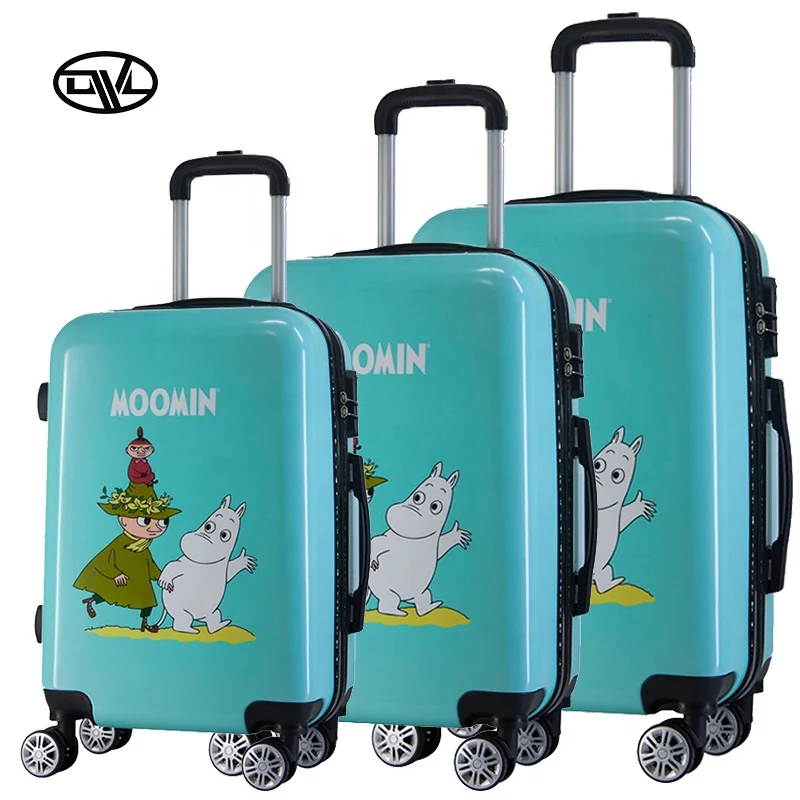
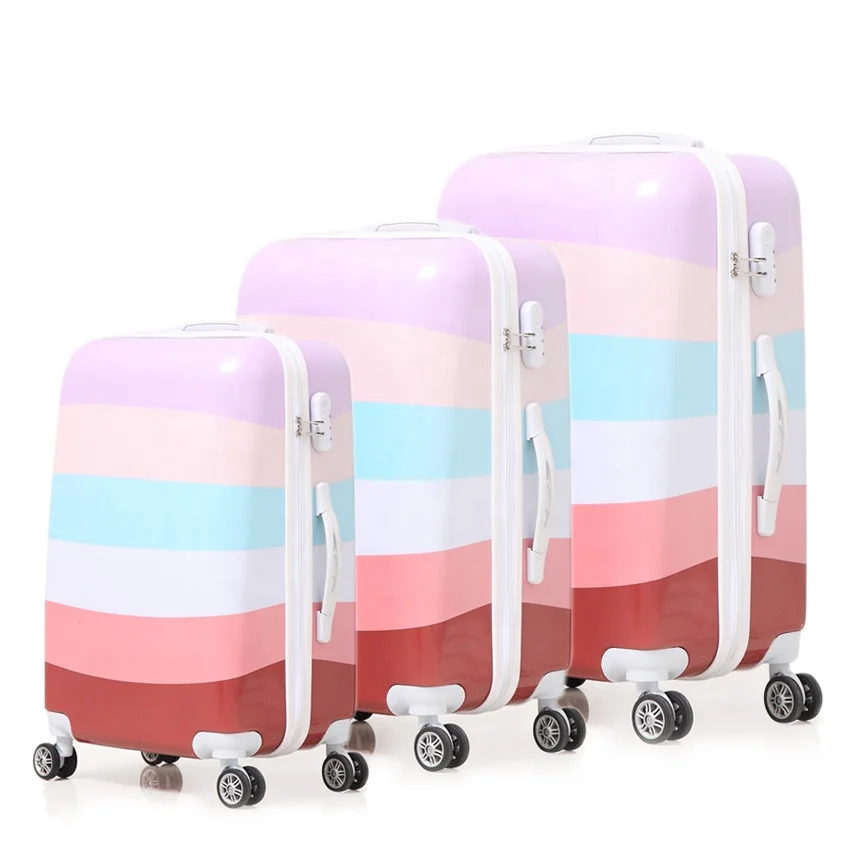
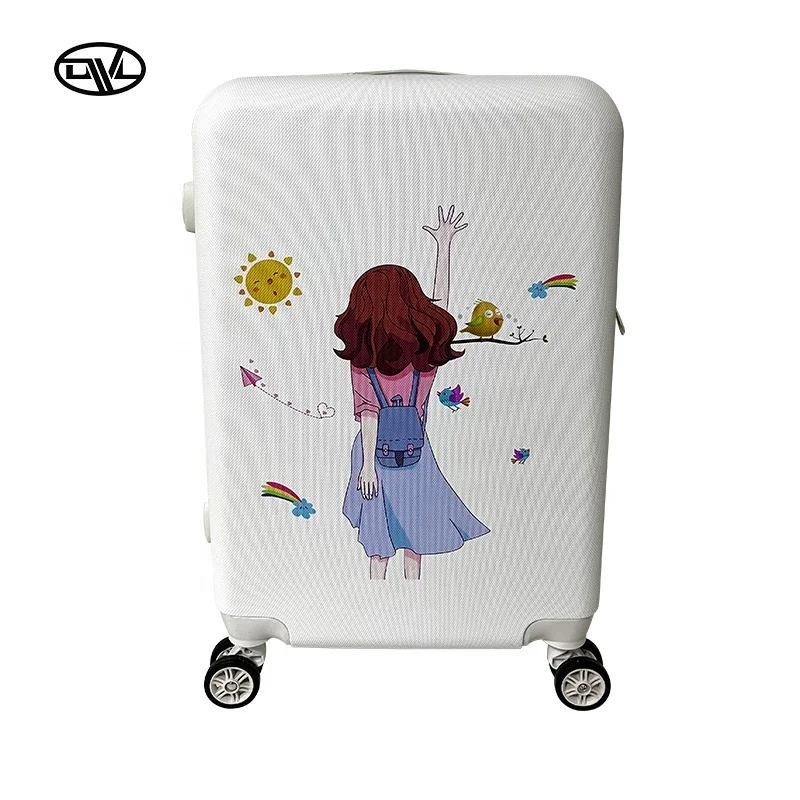
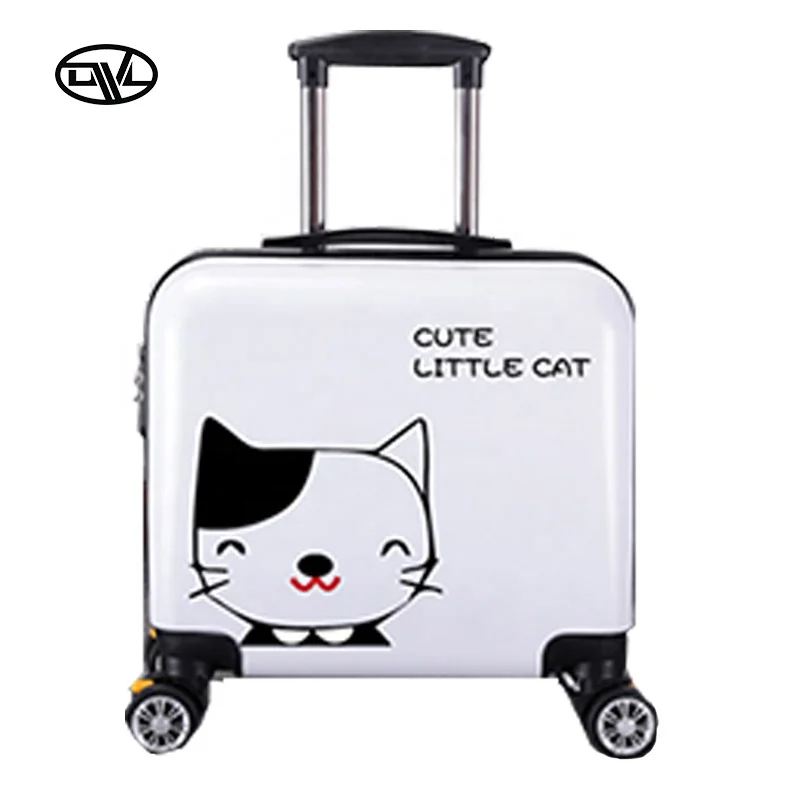
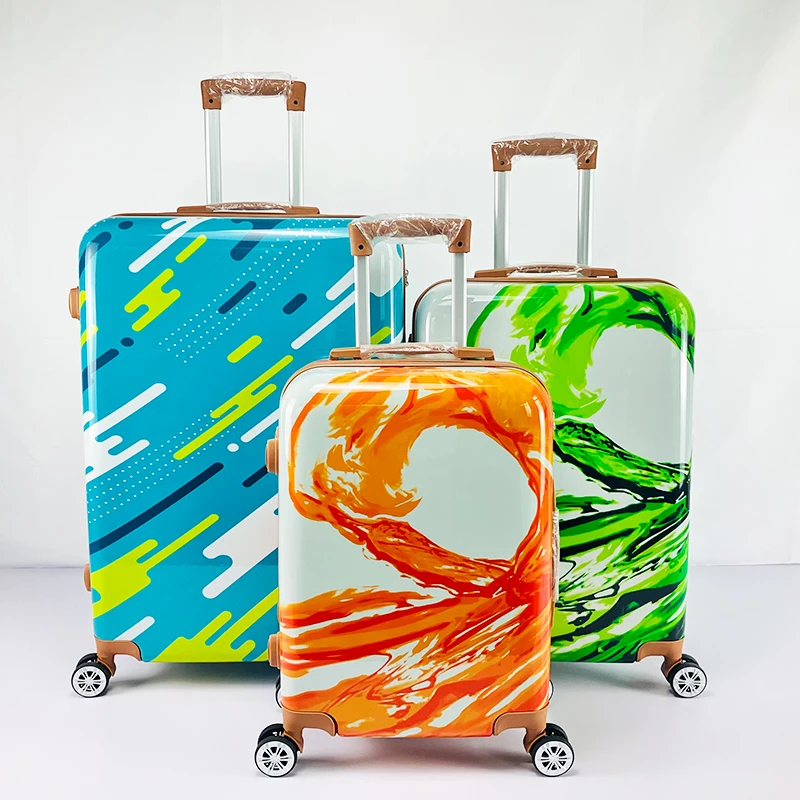
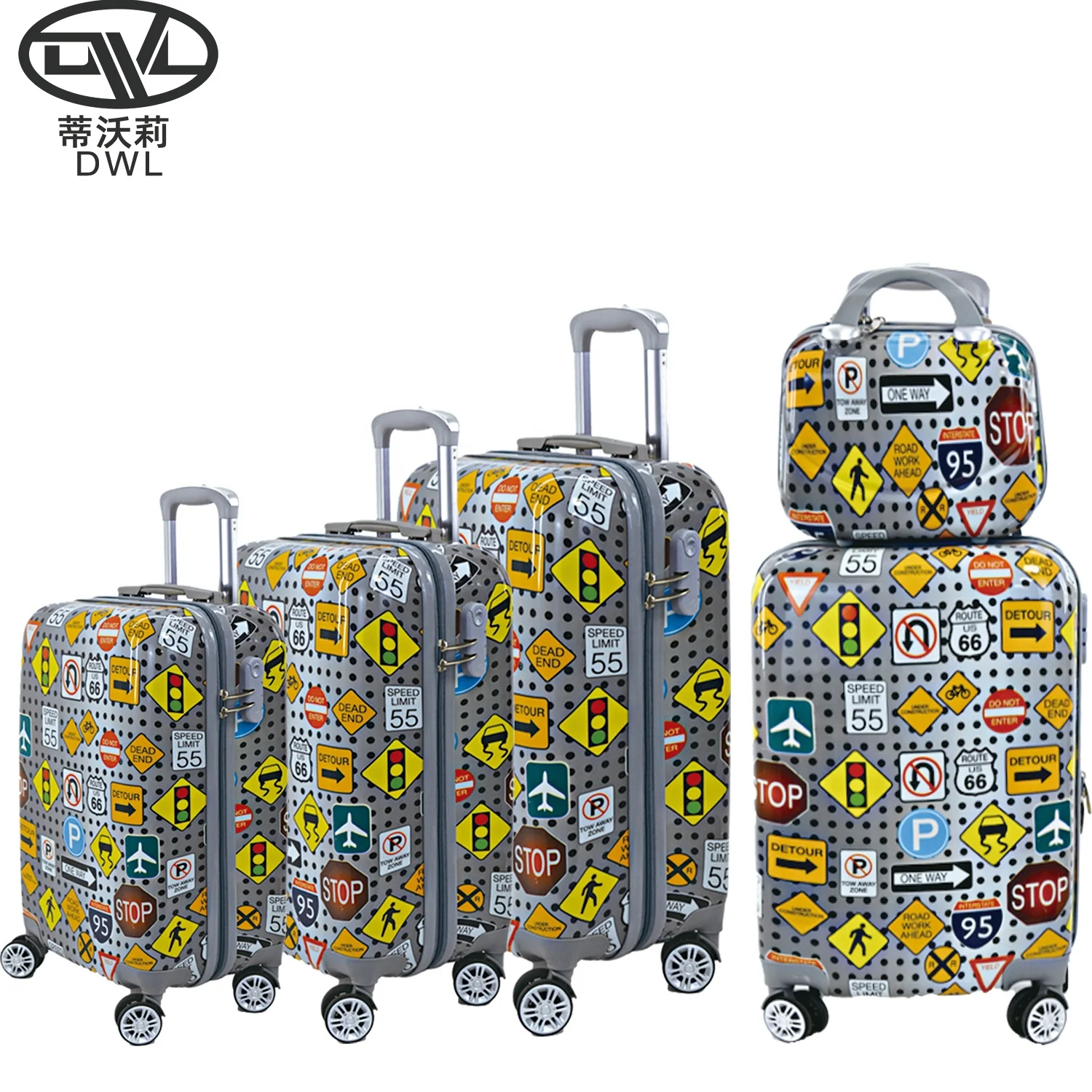
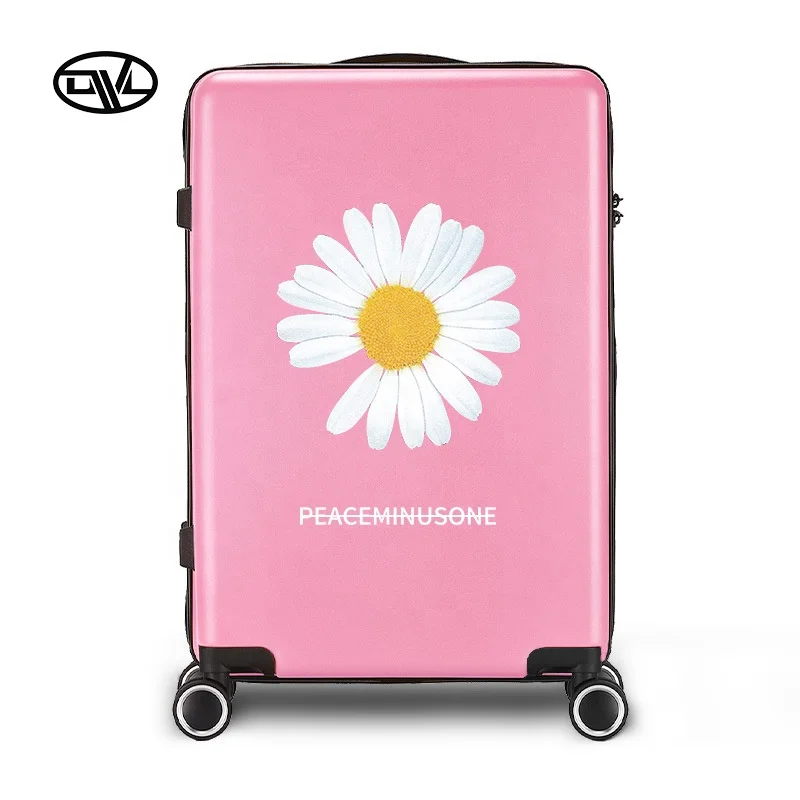
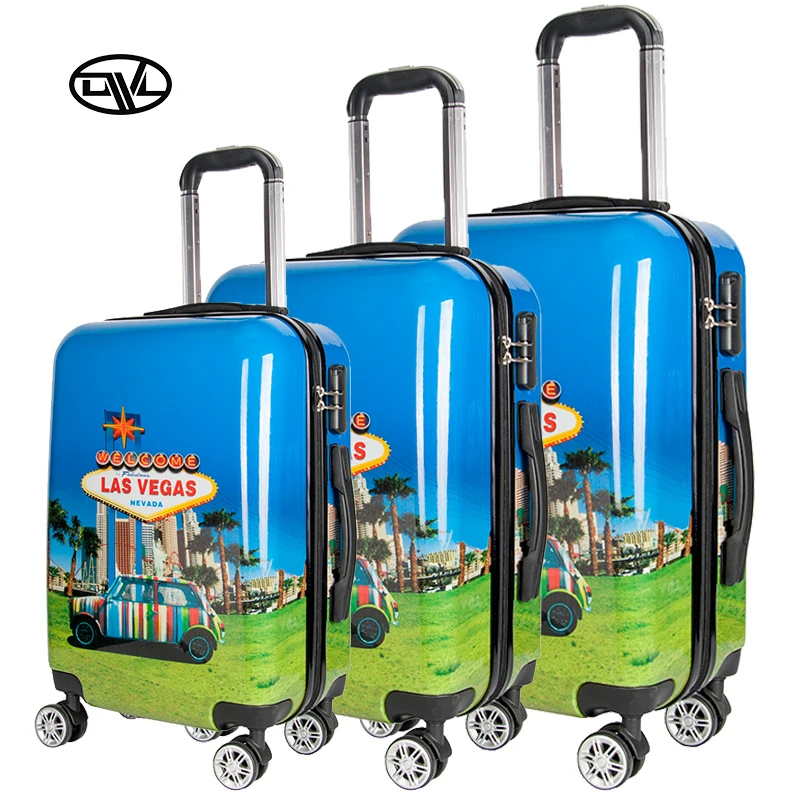
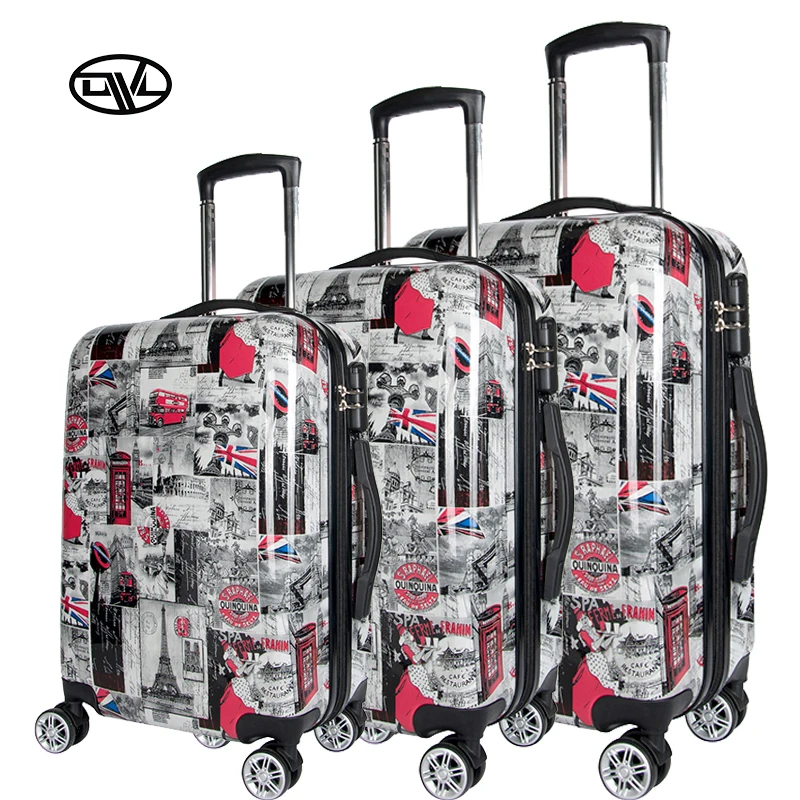
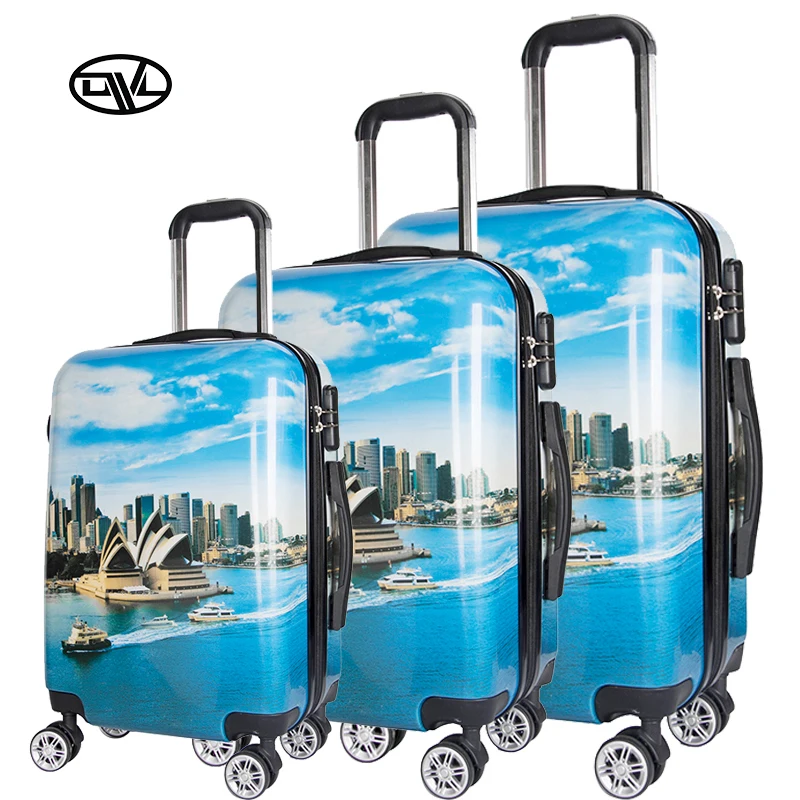
Sustainable Luggage Design Crafted From Eco Friendly Materials Offering Style And Strength For Conscious Journeys
In an era where climate change and environmental degradation dominate global discourse, the travel industry faces increasing scrutiny for its ecological footprint. Amidst this awakening, a new paradigm of travel gear is emerging—one that harmonizes our innate desire to explore with a profound responsibility to protect the planet. Enter sustainable luggage design: a transformative approach that reimagines the very essence of travel accessories. No longer are suitcases and bags mere vessels for belongings; they have evolved into statements of purpose, crafted from eco-friendly materials that offer an unparalleled blend of style, durability, and ethical integrity. This movement caters to the conscious traveler—the individual who views each journey not just as a personal adventure but as an opportunity to make positive choices. By merging innovative materials with sophisticated design, sustainable luggage proves that environmental stewardship need not come at the expense of aesthetics or strength. It represents a tangible step towards reducing waste, lowering carbon emissions, and promoting circular economies, all while ensuring that travelers can traverse the globe with gear that reflects their values and withstands the rigors of the road.
The Evolution of Eco-Friendly Materials in Luggage Manufacturing
The foundation of sustainable luggage lies in the materials from which it is constructed. Traditional luggage has long relied on petroleum-based plastics, virgin polyester, and other synthetic fabrics, which are resource-intensive to produce and contribute significantly to landfill waste. In contrast, contemporary sustainable designs leverage a diverse array of eco-friendly alternatives that minimize environmental harm. Recycled plastics, particularly those sourced from ocean-bound or post-consumer waste, have become a cornerstone. Brands now transform discarded plastic bottles into high-performance polyester yarns, creating fabrics that are both lightweight and remarkably resilient. This process not only diverts waste from ecosystems but also reduces the demand for new petroleum extraction.
Beyond recycled synthetics, natural and bio-based materials are gaining prominence. Organic cotton, grown without harmful pesticides, offers a soft yet sturdy option for luggage linings and accents. More innovatively, materials like Piñatex—a leather alternative made from pineapple leaf fibers—and mushroom-based mycelium leather are being explored for their durability and low environmental impact. These plant-derived options are often biodegradable or compostable at the end of their life cycle, addressing the critical issue of product afterlife. Additionally, reclaimed materials such as upcycled canvas from old sails or seatbelts add unique character while repurposing existing resources. The integration of these materials is not merely a technical achievement; it represents a philosophical shift towards viewing waste as a resource and prioritizing renewable inputs in manufacturing.
Design Principles: Marrying Aesthetics with Functionality
Sustainable luggage challenges the outdated notion that eco-friendly products are bland or utilitarian. Today’s designers skillfully blend form and function, creating pieces that are as visually compelling as they are practical. The aesthetic appeal often draws inspiration from minimalist, timeless styles that transcend fleeting fashion trends, ensuring longevity in both durability and design relevance. Clean lines, neutral palettes, and thoughtful details like vegetable-tanned leather accents or recycled metal hardware contribute to a sophisticated look that appeals to the modern traveler. This focus on timeless design inherently supports sustainability by discouraging disposable, trend-driven consumption.
Functionality is elevated through intelligent design features that enhance user experience and product lifespan. Modular components, such as detachable daypacks or customizable compartments, allow a single bag to adapt to various travel scenarios, reducing the need for multiple specialized items. Ergonomic handles, smooth-rolling wheels made from recycled polyurethane, and lightweight yet robust frames contribute to ease of use without compromising strength. Moreover, many sustainable brands employ design-for-disassembly principles, where components can be easily separated for repair, replacement, or recycling. This repairability is a key aspect of the circular economy, extending the product’s life and reducing waste. By prioritizing both beauty and utility, these designs prove that conscious choices can seamlessly integrate into a stylish, travel-ready lifestyle.
Strength and Durability: Debunking the Eco-Compromise Myth
A common misconception is that sustainable materials are inherently less durable than their conventional counterparts. However, advancements in material science and engineering have decisively overturned this myth. Eco-friendly luggage is subjected to the same rigorous testing—including abrasion, water resistance, zipper endurance, and impact tests—as traditional luggage, often exceeding industry standards. For instance, fabrics woven from recycled polyester can demonstrate superior tear strength and colorfastness compared to virgin polyester, thanks to advanced processing techniques. Similarly, bio-based composites are engineered to offer exceptional resistance to scratches, moisture, and daily wear.
The commitment to durability is also a core tenet of sustainability itself. A suitcase that lasts for decades inherently has a lower environmental footprint than one that needs frequent replacement. Brands reinforce this by offering robust warranties, repair services, and even take-back programs where old luggage can be returned for refurbishment or responsible recycling. This cradle-to-cradle approach ensures that materials remain in use for as long as possible. Furthermore, the structural integrity of sustainable luggage often incorporates reinforced corners, double-stitched seams with recycled thread, and impact-resistant shells made from materials like recycled polycarbonate. These features ensure that the luggage can withstand the demands of global travel, from rough airport handling to adventurous off-road journeys, all while upholding its ecological promise.
The Conscious Journey: Aligning Travel Values with Consumer Choice
Sustainable luggage serves as a physical manifestation of a deeper travel ethos—the conscious journey. This concept extends beyond the product itself to encompass the entire travel experience, encouraging mindfulness about resource use, cultural respect, and environmental preservation. Choosing eco-friendly luggage is often the first step in a traveler’s commitment to reducing their carbon footprint, as it reflects an awareness of the impacts associated with production, consumption, and disposal. It sparks a ripple effect, prompting considerations about other aspects of travel, such as opting for direct flights to reduce emissions, supporting eco-conscious accommodations, or engaging in low-impact tourism activities.
For the conscious traveler, luggage becomes more than a tool; it is a companion that aligns with personal and planetary well-being. Brands often support this alignment through transparency, providing detailed information about material origins, manufacturing processes, and corporate social responsibility initiatives. Some even calculate and offset the carbon emissions associated with production and shipping. This level of engagement empowers consumers to make informed decisions and fosters a sense of community among like-minded travelers. Ultimately, sustainable luggage design does not merely offer a way to carry possessions—it carries a promise: that exploration and preservation can coexist, and that every journey, no matter how far, can leave a lighter, more positive trace on the world.
REPORT