







-
 Agriculture
-
 Health-Care
-
 Environment
-
 Construction-Real-Estate
-
 Tools-Hardware
-
 Home-Garden
-
 Furniture
-
 Luggage-Bags-Cases
-
 Medical-devices-Supplies
-
 Gifts-Crafts
-
 Sports-Entertainment
-
 Food-Beverage
-
 Vehicles-Transportation
-
 Power-Transmission
-
 Material-Handling
-
 Renewable-Energy
-
 Safety
-
 Testing-Instrument-Equipment
-
 Construction-Building-Machinery
-
 Pet-Supplies
-
 Personal-Care-Household-Cleaning
-
 Vehicle-Accessories-Electronics-Tools
-
 School-Office-Supplies
-
 Packaging-Printing
-
 Mother-Kids-Toys
-
 Business-Services
-
 Commercial-Equipment-Machinery
-
 Apparel-Accessories
-
 Security
-
 Shoes-Accessories
-
 Vehicle-Parts-Accessories
-
 Jewelry-Eyewear-Watches-Accessories
-
 Lights-Lighting
-
 Fabric-Textile-Raw-Material
-
 Fabrication-Services
-
 Industrial-Machinery
-
 Consumer-Electronics
-
 Electrical-Equipment-Supplies
-
 Electronic-Components-Accessories-Telecommunications
-
 Home-Appliances
-
 Beauty
-
 Chemicals
-
 Rubber-Plastics
-
 Metals-Alloys


























































































































































































































































































































































































































































































































































































- Masonry Materials
- Curtain Walls & Accessories
- Earthwork Products
- Fireproofing Materials
- Heat Insulation Materials
- Plastic Building Materials
- Building Boards
- Soundproofing Materials
- Timber
- Waterproofing Materials
- Balustrades & Handrails
- Bathroom & Kitchen
- Flooring & Accessories
- Tiles & Accessories
- Door, Window & Accessories
- Fireplaces & Stoves
- Floor Heating Systems & Parts
- Stairs & Stair Parts
- Ceilings
- Elevators & Escalators
- Stone
- Countertops, Vanity Tops & Table Tops
- Mosaics
- Metal Building Materials
- Multifunctional Materials
- Ladders & Scaffoldings
- Mouldings
- Corner Guards
- Decorative Films
- Formwork
- Building & Industrial Glass
- Other Construction & Real Estate
- Wallpapers/Wall panels
- HVAC System & Parts
- Outdoor Facilities
- Prefabricated Buildings
- Festive & Party Supplies
- Bathroom Products
- Household Sundries
- Rain Gear
- Garden Supplies
- Household Cleaning Tools & Accessories
- Lighters & Smoking Accessories
- Home Storage & Organization
- Household Scales
- Smart Home Improvement
- Home Textiles
- Kitchenware
- Drinkware & Accessories
- Dinnerware, Coffee & Wine
- Home Decor
- Golf
- Fitness & Body Building
- Amusement Park Facilities
- Billiards, Board Game,Coin Operated Games
- Musical Instruments
- Outdoor Affordable Luxury Sports
- Camping & Hiking
- Fishing
- Sports Safety&Rehabilitation
- Ball Sports Equipments
- Water Sports
- Winter Sports
- Luxury Travel Equipments
- Sports Shoes, Bags & Accessories
- Cycling
- Other Sports & Entertainment Products
- Artificial Grass&Sports Flooring&Sports Court Equipment
- Scooters
- Food Ingredients
- Honey & Honey Products
- Snacks
- Nuts & Kernels
- Seafood
- Plant & Animal Oil
- Beverages
- Fruit & Vegetable Products
- Frog & Escargot
- Bean Products
- Egg Products
- Dairy Products
- Seasonings & Condiments
- Canned Food
- Instant Food
- Baked Goods
- Other Food & Beverage
- Meat & Poultry
- Confectionery
- Grain Products
- Feminie Care
- Hair Care & Styling
- Body Care
- Hands & Feet Care
- Hygiene Products
- Men's Grooming
- Laundry Cleaning Supplies
- Travel Size & Gift Sets
- Room Deodorizers
- Other Personal Care Products
- Pest Control Products
- Special Household Cleaning
- Floor Cleaning
- Kitchen & Bathroom Cleaning
- Oral Care
- Bath Supplies
- Yellow Pages
- Correction Supplies
- Office Binding Supplies
- Office Cutting Supplies
- Board Erasers
- Office Adhesives & Tapes
- Education Supplies
- Pencil Cases & Bags
- Notebooks & Writing Pads
- File Folder Accessories
- Calendars
- Writing Accessories
- Commercial Office Supplies
- Pencil Sharpeners
- Pens
- Letter Pad/Paper
- Paper Envelopes
- Desk Organizers
- Pencils
- Markers & Highlighters
- Filing Products
- Art Supplies
- Easels
- Badge Holder & Accessories
- Office Paper
- Printer Supplies
- Book Covers
- Other Office & School Supplies
- Stationery Set
- Boards
- Clipboards
- Stamps
- Drafting Supplies
- Stencils
- Electronic Dictionary
- Books
- Map
- Magazines
- Calculators
- Baby & Toddler Toys
- Educational Toys
- Classic Toys
- Dress Up & Pretend Play
- Toy Vehicle
- Stuffed Animals & Plush Toys
- Outdoor Toys & Structures
- Balloons & Accessories
- Baby Food
- Children's Clothing
- Baby Supplies & Products
- Maternity Clothes
- Kids Shoes
- Baby Care
- Novelty & Gag Toys
- Dolls & Accessories
- Puzzle & Games
- Blocks & Model Building Toys
- Toddler Clothing
- Baby Clothing
- Kids' Luggage & Bags
- Arts, Crafts & DIY Toys
- Action & Toy Figures
- Baby Appliances
- Hobbies & Models
- Remote Control Toys
- Promotional Toys
- Pregnancy & Maternity
- Hygiene Products
- Kid's Textile&Bedding
- Novelty & Special Use
- Toy Weapons
- Baby Gifts
- Baby Storage & Organization
- Auto Drive Systems
- ATV/UTV Parts & Accessories
- Marine Parts & Accessories
- Other Auto Parts
- Trailer Parts & Accessories
- Auto Transmission Systems
- Train Parts & Accessories
- Universal Parts
- Railway Parts & Accessories
- Auto Brake Systems
- Aviation Parts & Accessories
- Truck Parts & Accessories
- Auto Suspension Systems
- Auto Lighting Systems
- New Energy Vehicle Parts & Accessories
- Auto Steering Systems
- Wheels, Tires & Accessories
- Bus Parts & Accessories
- Auto Performance Parts
- Cooling System
- Go-Kart & Kart Racer Parts & Accessories
- Air Conditioning Systems
- Heavy Duty Vehicle Parts & Accessories
- Auto Electrical Systems
- Auto Body Systems
- Auto Engine Systems
- Container Parts & Accessories
- Motorcycle Parts & Accessories
- Refrigeration & Heat Exchange Equipment
- Machine Tool Equipment
- Food & Beverage Machinery
- Agricultural Machinery & Equipment
- Apparel & Textile Machinery
- Chemical Machinery
- Packaging Machines
- Paper Production Machinery
- Plastic & Rubber Processing Machinery
- Industrial Robots
- Electronic Products Machinery
- Metal & Metallurgy Machinery
- Woodworking Machinery
- Home Product Manufacturing Machinery
- Machinery Accessories
- Environmental Machinery
- Machinery Service
- Electrical Equipment Manufacturing Machinery
- Industrial Compressors & Parts
- Tobacco & Cigarette Machinery
- Production Line
- Used Industrial Machinery
- Electronics Production Machinery
- Other Machinery & Industrial Equipment
- Camera, Photo & Accessories
- Portable Audio, Video & Accessories
- Television, Home Audio, Video & Accessories
- Video Games & Accessories
- Mobile Phone & Accessories
- Electronic Publications
- Earphone & Headphone & Accessories
- Speakers & Accessories
- Smart Electronics
- TV Receivers & Accessories
- Mobile Phone & Computer Repair Parts
- Chargers, Batteries & Power Supplies
- Used Electronics
- VR, AR, MR Hardware & Software
- Projectors & Presentation Equipments
- Other Consumer Electronics
- Cables & Commonly Used Accessories
- Computer Hardware & Software
- Displays, Signage and Optoelectronics
- Discrete Semiconductors
- Wireless & IoT Module and Products
- Telecommunications
- Connectors, Terminals & Accessories
- Development Boards, Electronic Modules and Kits
- Circuit Protection
- Sensors
- Isolators
- Audio Components and Products
- Integrated Circuits
- Power Supplies
- Relays
- RF, Microwave and RFID
- Electronic Accessories & Supplies
- Passive Components
- PCB & PCBA
- Air Quality Appliances
- Home Appliance Parts
- Heating & Cooling Appliances
- Small Kitchen Appliances
- Laundry Appliances
- Water Heaters
- Water Treatment Appliances
- Refrigerators & Freezers
- Personal Care & Beauty Appliances
- Major Kitchen Appliances
- Cleaning Appliances
- Second-hand Appliances
- Smart Home Appliances
- Other Home Appliances
- Energy Chemicals
- Inorganic Chemicals
- Basic Organic Chemicals
- Agrochemicals
- Admixture & Additives
- Catalysts & Chemical Auxiliary Agents
- Pigments & Dyestuff
- Coating & Paint
- Daily Chemicals
- Polymer
- Organic Intermediate
- Adhesives & Sealants
- Chemical Waste
- Biological Chemical Products
- Surface Treatment Chemicals
- Painting & Coating
- Chemical Reagents
- Flavor & Fragrance
- Non-Explosive Demolition Agents
- Other Chemicals
- Custom Chemical Services

Understanding DDP Shipping to Africa: Incoterms Obligations, Customs & Risk Breakdown
Overview of DDP Logistics in African Trade Lanes
Choosing Delivered Duty Paid (DDP) for freight destination routes across Africa places the ultimate operational and financial responsibility on the seller. Under this arrangement, the seller or their freight service provider manages the complete shipping chain: from origin export filing and ocean/air freight handling to import customs clearance, local tax settlement, and final door-to-door delivery. Conversely, the buyer's sole obligation is receiving and unloading the cargo upon arrival at the designated facility. This framework completely shifts compliance risks, unexpected port fees, and administrative procedures away from the buyer.
Phase-by-Phase Operational Workflow
Logistics execution under DDP terms for African destinations spans three distinct phases: departure preparation, main transport monitoring, and destination entry resolution. Depending on destination port requirements and customs inspection timelines, ocean freight shipments typically require 25 to 55 days, while expedited air freight solutions arrive within 5 to 10 days.
During departure, the seller manages local cargo pickup, physical quality checks, and export customs declarations. Once in transit, real-time monitoring tracks the shipment across maritime or air corridors. Maintaining regulatory compliance requires accurate alignment of essential trade documentation, including commercial invoices, detailed packing lists, certificates of origin, and custom-tailored bills of lading.

The core of DDP lies in destination entry processing. The seller or an appointed third-party logistics partner oversees customs inspections, port clearance formalities, and the direct payment of import taxes, tariffs, and VAT. After customs release, final-mile delivery guarantees door-to-door arrival at the buyer's requested destination.
Legitimate operational frameworks—strengthened by official industry credentials such as the Record Filing Form for International Freight Forwarders (No. 10043003) and NVOCC qualification (No. GD202104273385)—provide complete end-to-end accountability. These structures seamlessly handle both Full Container Load (FCL) and Less than Container Load (LCL) shipments while maintaining clear operational oversight.
Comparing Incoterms: DDP vs. DAP vs. FOB
To evaluate how DDP measures up against alternative international commercial terms, consider the responsibility and risk allocation table below:
| Parameter & Scope | DDP (Delivered Duty Paid) | DAP (Delivered at Place) | FOB (Free on Board) |
|---|---|---|---|
| Export Clearance | Seller Obligation | Seller Obligation | Seller Obligation |
| Main International Freight | Seller Obligation | Seller Obligation | Buyer Obligation |
| African Import Customs Clearance | Seller Obligation | Buyer Obligation | Buyer Obligation |
| Import Tariffs & VAT Payment | Seller Obligation | Buyer Obligation | Buyer Obligation |
| Point of Risk Transfer | Destination doorway (prior to unloading) | Destination site (prior to unloading) | Vessel rail at loading port |
| Average Transit Time | Sea: 25-55 days | Air: 5-10 days | Sea: 25-55 days | Air: 5-10 days | Determined by buyer's carrier choice |
Core Takeaways and Key Advantages
- Comprehensive Seller Liability: The seller coordinates origin dispatch, main transport lines, local African customs filings, tax clearance, and last-mile trucking.
- Predictable Cost Exposure: Destination duties, Value Added Tax (VAT), clearance charges, and inspection fees are entirely prepaid or absorbed by the shipping party.
- Clear Risk Boundaries: Physical risk transitions to the purchaser only after the cargo reaches the designated delivery address ready for unloading.
- Versatile Application: Ideal for cross-border e-commerce vendors, international trading houses, and B2B manufacturers seeking simplified logistics without port clearance bottlenecks.
Frequently Asked Questions
Who pays for import duties and local taxes under African DDP agreements?
The seller holds contractual responsibility for settling all import duties, tariffs, VAT, and administrative customs fees prior to releasing cargo to the buyer.
What is the minimum shipment requirement and accepted payment methods?
Complete DDP service solutions cater to orders starting from a minimum of 1 single shipment. Flexible payment options include Telegraphic Transfer (T/T), PayPal, upfront payments, and structured installment agreements.
Who carries the financial risk of customs delays or port inspection fees?
Under DDP terms, any costs arising from customs holds, demurrage, unexpected inspection charges, or paperwork adjustments are entirely absorbed by the seller.
Summary & Strategic Recommendations
Adopting DDP terms for commerce across African markets effectively removes regulatory, legal, and financial complexities for buyers, securing a streamlined door-to-door delivery channel. Partnering with structured DDP workflows featuring rigorous Quality Inspection protocols—such as pre-shipment verification, real-time tracking, and regulatory audit compliance—guarantees cost stability and reliable transit times across both sea and air routes. With monthly capacities exceeding 1,000 TEUs in ocean freight and over 300 monthly air cargo flights, scalable logistics solutions ensure steady supply chain continuity. For customized trade support, contact our specialists at Sales@shippingwell.com.
About the Provider
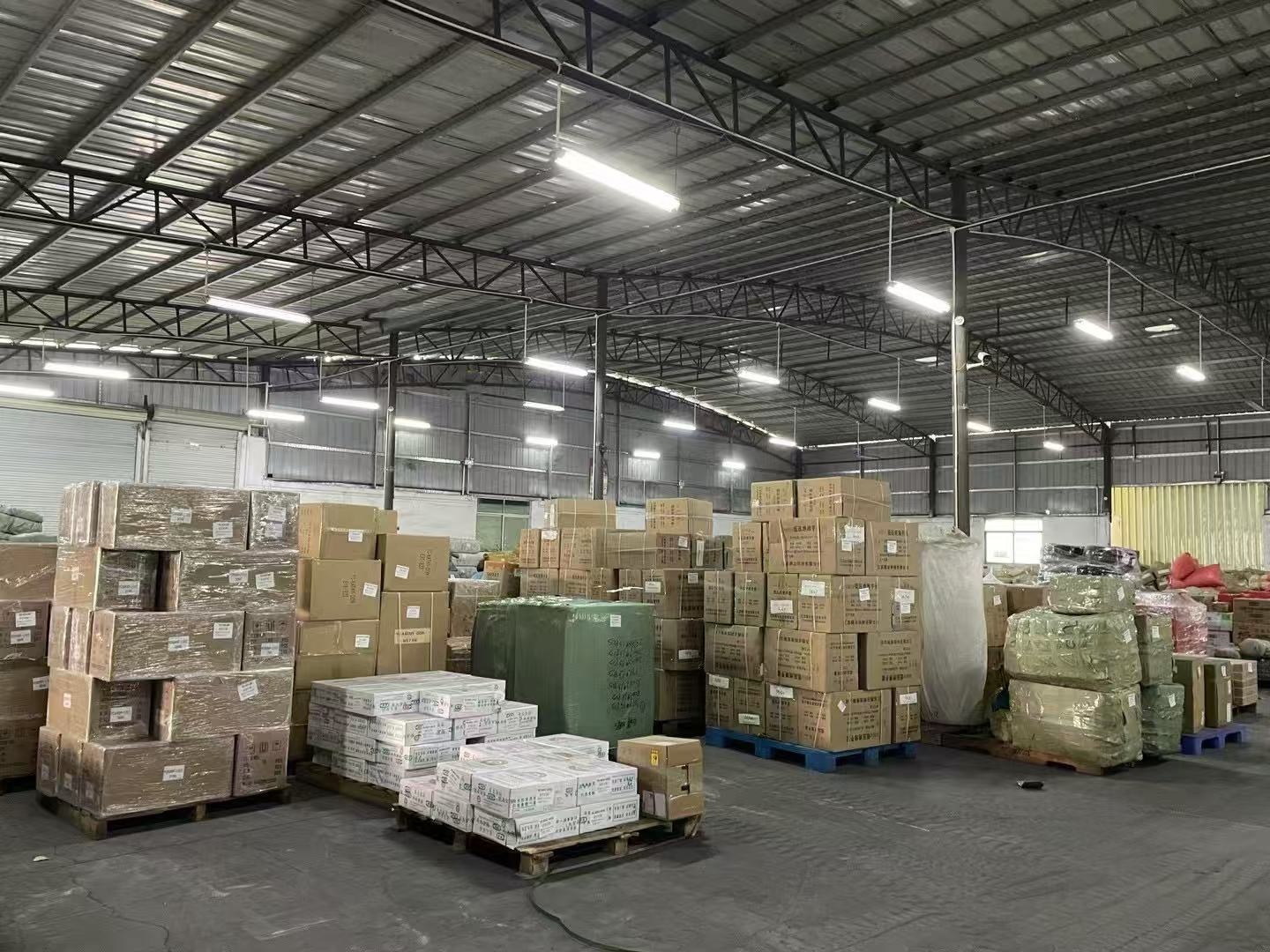
Founded in 2021, Guangdong Shippingwell Supply Chain Limited employs over 50 logistics specialists and operates more than 100,000 square meters of dedicated warehousing facilities. The organization delivers end-to-end cross-border logistics, overseas storage, custom clearance, and door-to-door freight distribution across North America, Europe, Africa, the Middle East, and Southeast Asia. Holding NVOCC license GD202104273385 and International Freight Forwarder filing 10043003, the company maintains long-term contracts with over 20 top global shipping lines to support international business operations.

REPORT