







-
 Agriculture
-
 Health-Care
-
 Environment
-
 Construction-Real-Estate
-
 Tools-Hardware
-
 Home-Garden
-
 Furniture
-
 Luggage-Bags-Cases
-
 Medical-devices-Supplies
-
 Gifts-Crafts
-
 Sports-Entertainment
-
 Food-Beverage
-
 Vehicles-Transportation
-
 Power-Transmission
-
 Material-Handling
-
 Renewable-Energy
-
 Safety
-
 Testing-Instrument-Equipment
-
 Construction-Building-Machinery
-
 Pet-Supplies
-
 Personal-Care-Household-Cleaning
-
 Vehicle-Accessories-Electronics-Tools
-
 School-Office-Supplies
-
 Packaging-Printing
-
 Mother-Kids-Toys
-
 Business-Services
-
 Commercial-Equipment-Machinery
-
 Apparel-Accessories
-
 Security
-
 Shoes-Accessories
-
 Vehicle-Parts-Accessories
-
 Jewelry-Eyewear-Watches-Accessories
-
 Lights-Lighting
-
 Fabric-Textile-Raw-Material
-
 Fabrication-Services
-
 Industrial-Machinery
-
 Consumer-Electronics
-
 Electrical-Equipment-Supplies
-
 Electronic-Components-Accessories-Telecommunications
-
 Home-Appliances
-
 Beauty
-
 Chemicals
-
 Rubber-Plastics
-
 Metals-Alloys


























































































































































































































































































































































































































































































































































































- Masonry Materials
- Curtain Walls & Accessories
- Earthwork Products
- Fireproofing Materials
- Heat Insulation Materials
- Plastic Building Materials
- Building Boards
- Soundproofing Materials
- Timber
- Waterproofing Materials
- Balustrades & Handrails
- Bathroom & Kitchen
- Flooring & Accessories
- Tiles & Accessories
- Door, Window & Accessories
- Fireplaces & Stoves
- Floor Heating Systems & Parts
- Stairs & Stair Parts
- Ceilings
- Elevators & Escalators
- Stone
- Countertops, Vanity Tops & Table Tops
- Mosaics
- Metal Building Materials
- Multifunctional Materials
- Ladders & Scaffoldings
- Mouldings
- Corner Guards
- Decorative Films
- Formwork
- Building & Industrial Glass
- Other Construction & Real Estate
- Wallpapers/Wall panels
- HVAC System & Parts
- Outdoor Facilities
- Prefabricated Buildings
- Festive & Party Supplies
- Bathroom Products
- Household Sundries
- Rain Gear
- Garden Supplies
- Household Cleaning Tools & Accessories
- Lighters & Smoking Accessories
- Home Storage & Organization
- Household Scales
- Smart Home Improvement
- Home Textiles
- Kitchenware
- Drinkware & Accessories
- Dinnerware, Coffee & Wine
- Home Decor
- Golf
- Fitness & Body Building
- Amusement Park Facilities
- Billiards, Board Game,Coin Operated Games
- Musical Instruments
- Outdoor Affordable Luxury Sports
- Camping & Hiking
- Fishing
- Sports Safety&Rehabilitation
- Ball Sports Equipments
- Water Sports
- Winter Sports
- Luxury Travel Equipments
- Sports Shoes, Bags & Accessories
- Cycling
- Other Sports & Entertainment Products
- Artificial Grass&Sports Flooring&Sports Court Equipment
- Scooters
- Food Ingredients
- Honey & Honey Products
- Snacks
- Nuts & Kernels
- Seafood
- Plant & Animal Oil
- Beverages
- Fruit & Vegetable Products
- Frog & Escargot
- Bean Products
- Egg Products
- Dairy Products
- Seasonings & Condiments
- Canned Food
- Instant Food
- Baked Goods
- Other Food & Beverage
- Meat & Poultry
- Confectionery
- Grain Products
- Feminie Care
- Hair Care & Styling
- Body Care
- Hands & Feet Care
- Hygiene Products
- Men's Grooming
- Laundry Cleaning Supplies
- Travel Size & Gift Sets
- Room Deodorizers
- Other Personal Care Products
- Pest Control Products
- Special Household Cleaning
- Floor Cleaning
- Kitchen & Bathroom Cleaning
- Oral Care
- Bath Supplies
- Yellow Pages
- Correction Supplies
- Office Binding Supplies
- Office Cutting Supplies
- Board Erasers
- Office Adhesives & Tapes
- Education Supplies
- Pencil Cases & Bags
- Notebooks & Writing Pads
- File Folder Accessories
- Calendars
- Writing Accessories
- Commercial Office Supplies
- Pencil Sharpeners
- Pens
- Letter Pad/Paper
- Paper Envelopes
- Desk Organizers
- Pencils
- Markers & Highlighters
- Filing Products
- Art Supplies
- Easels
- Badge Holder & Accessories
- Office Paper
- Printer Supplies
- Book Covers
- Other Office & School Supplies
- Stationery Set
- Boards
- Clipboards
- Stamps
- Drafting Supplies
- Stencils
- Electronic Dictionary
- Books
- Map
- Magazines
- Calculators
- Baby & Toddler Toys
- Educational Toys
- Classic Toys
- Dress Up & Pretend Play
- Toy Vehicle
- Stuffed Animals & Plush Toys
- Outdoor Toys & Structures
- Balloons & Accessories
- Baby Food
- Children's Clothing
- Baby Supplies & Products
- Maternity Clothes
- Kids Shoes
- Baby Care
- Novelty & Gag Toys
- Dolls & Accessories
- Puzzle & Games
- Blocks & Model Building Toys
- Toddler Clothing
- Baby Clothing
- Kids' Luggage & Bags
- Arts, Crafts & DIY Toys
- Action & Toy Figures
- Baby Appliances
- Hobbies & Models
- Remote Control Toys
- Promotional Toys
- Pregnancy & Maternity
- Hygiene Products
- Kid's Textile&Bedding
- Novelty & Special Use
- Toy Weapons
- Baby Gifts
- Baby Storage & Organization
- Auto Drive Systems
- ATV/UTV Parts & Accessories
- Marine Parts & Accessories
- Other Auto Parts
- Trailer Parts & Accessories
- Auto Transmission Systems
- Train Parts & Accessories
- Universal Parts
- Railway Parts & Accessories
- Auto Brake Systems
- Aviation Parts & Accessories
- Truck Parts & Accessories
- Auto Suspension Systems
- Auto Lighting Systems
- New Energy Vehicle Parts & Accessories
- Auto Steering Systems
- Wheels, Tires & Accessories
- Bus Parts & Accessories
- Auto Performance Parts
- Cooling System
- Go-Kart & Kart Racer Parts & Accessories
- Air Conditioning Systems
- Heavy Duty Vehicle Parts & Accessories
- Auto Electrical Systems
- Auto Body Systems
- Auto Engine Systems
- Container Parts & Accessories
- Motorcycle Parts & Accessories
- Refrigeration & Heat Exchange Equipment
- Machine Tool Equipment
- Food & Beverage Machinery
- Agricultural Machinery & Equipment
- Apparel & Textile Machinery
- Chemical Machinery
- Packaging Machines
- Paper Production Machinery
- Plastic & Rubber Processing Machinery
- Industrial Robots
- Electronic Products Machinery
- Metal & Metallurgy Machinery
- Woodworking Machinery
- Home Product Manufacturing Machinery
- Machinery Accessories
- Environmental Machinery
- Machinery Service
- Electrical Equipment Manufacturing Machinery
- Industrial Compressors & Parts
- Tobacco & Cigarette Machinery
- Production Line
- Used Industrial Machinery
- Electronics Production Machinery
- Other Machinery & Industrial Equipment
- Camera, Photo & Accessories
- Portable Audio, Video & Accessories
- Television, Home Audio, Video & Accessories
- Video Games & Accessories
- Mobile Phone & Accessories
- Electronic Publications
- Earphone & Headphone & Accessories
- Speakers & Accessories
- Smart Electronics
- TV Receivers & Accessories
- Mobile Phone & Computer Repair Parts
- Chargers, Batteries & Power Supplies
- Used Electronics
- VR, AR, MR Hardware & Software
- Projectors & Presentation Equipments
- Other Consumer Electronics
- Cables & Commonly Used Accessories
- Computer Hardware & Software
- Displays, Signage and Optoelectronics
- Discrete Semiconductors
- Wireless & IoT Module and Products
- Telecommunications
- Connectors, Terminals & Accessories
- Development Boards, Electronic Modules and Kits
- Circuit Protection
- Sensors
- Isolators
- Audio Components and Products
- Integrated Circuits
- Power Supplies
- Relays
- RF, Microwave and RFID
- Electronic Accessories & Supplies
- Passive Components
- PCB & PCBA
- Air Quality Appliances
- Home Appliance Parts
- Heating & Cooling Appliances
- Small Kitchen Appliances
- Laundry Appliances
- Water Heaters
- Water Treatment Appliances
- Refrigerators & Freezers
- Personal Care & Beauty Appliances
- Major Kitchen Appliances
- Cleaning Appliances
- Second-hand Appliances
- Smart Home Appliances
- Other Home Appliances
- Energy Chemicals
- Inorganic Chemicals
- Basic Organic Chemicals
- Agrochemicals
- Admixture & Additives
- Catalysts & Chemical Auxiliary Agents
- Pigments & Dyestuff
- Coating & Paint
- Daily Chemicals
- Polymer
- Organic Intermediate
- Adhesives & Sealants
- Chemical Waste
- Biological Chemical Products
- Surface Treatment Chemicals
- Painting & Coating
- Chemical Reagents
- Flavor & Fragrance
- Non-Explosive Demolition Agents
- Other Chemicals
- Custom Chemical Services

Understanding Heated Towel Rail Unit Pricing: How Bulk Order Quantities Drive Cost Efficiency
Executive Summary: Why Order Volume Matters in Towel Warmer Procurement
Procurement pricing for heated towel rails relies heavily on manufacturing scale. By placing larger volume orders, B2B buyers, distributors, and project managers can drastically reduce per-unit costs. This financial advantage stems from spreading initial setup fees, material acquisition costs, and engineering overhead across larger production runs. Facilities capable of producing up to 100,000 units per month leverage these economies of scale to offer competitive pricing that smaller batch orders cannot match.
Strategic Financial Drivers: How Scale Lowers Individual Costs
- Overhead Amortization: Upfront expenses such as machinery setup, mold design, and engineering testing are distributed over a larger quantity, diluting per-unit fixed costs.
- Raw Material Economies of Scale: Bulk purchasing of high-grade raw materials, including 304 stainless steel, grants manufacturers superior bargaining power with material suppliers.
- High-Capacity Operational Efficiency: Operating across 20 dedicated production lines minimizes equipment downtime and optimizes labor throughput.
- Proven Project Cost Reductions: Major developments, such as the Warsaw Chain Hotel Renovation (260 sets of wall-mounted towel warmers) and the Sydney Senior Care Center (130 constant-temperature units), demonstrate how volume orders optimize project budgets.
Cost Structure Analysis: Fixed Expenses vs. Variable Production Factors
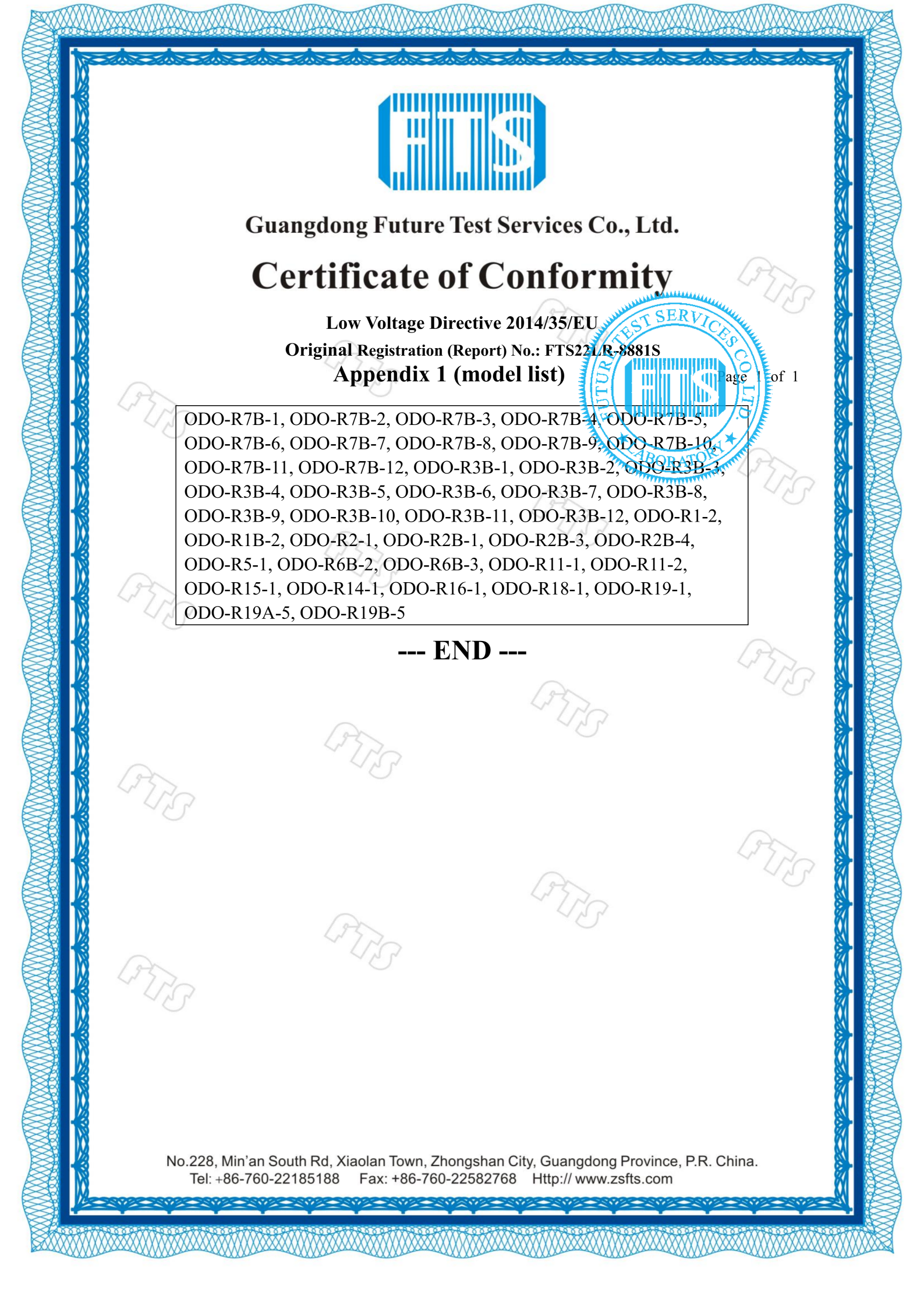
The pricing dynamic for heated towel rails is governed by the ratio of fixed expenditures to variable operational costs. Upfront non-recurring engineering fees—such as custom mold design, CNC machine setup, assembly jig creation, and international compliance testing like CE-LVD certification (Certificate FTS22LC-8881S)—remain constant regardless of quantity. On single-unit sample orders, the buyer absorbs these setup fees entirely. As batch volume expands into hundreds or thousands of units, the fixed cost allocated to each unit drops dramatically.
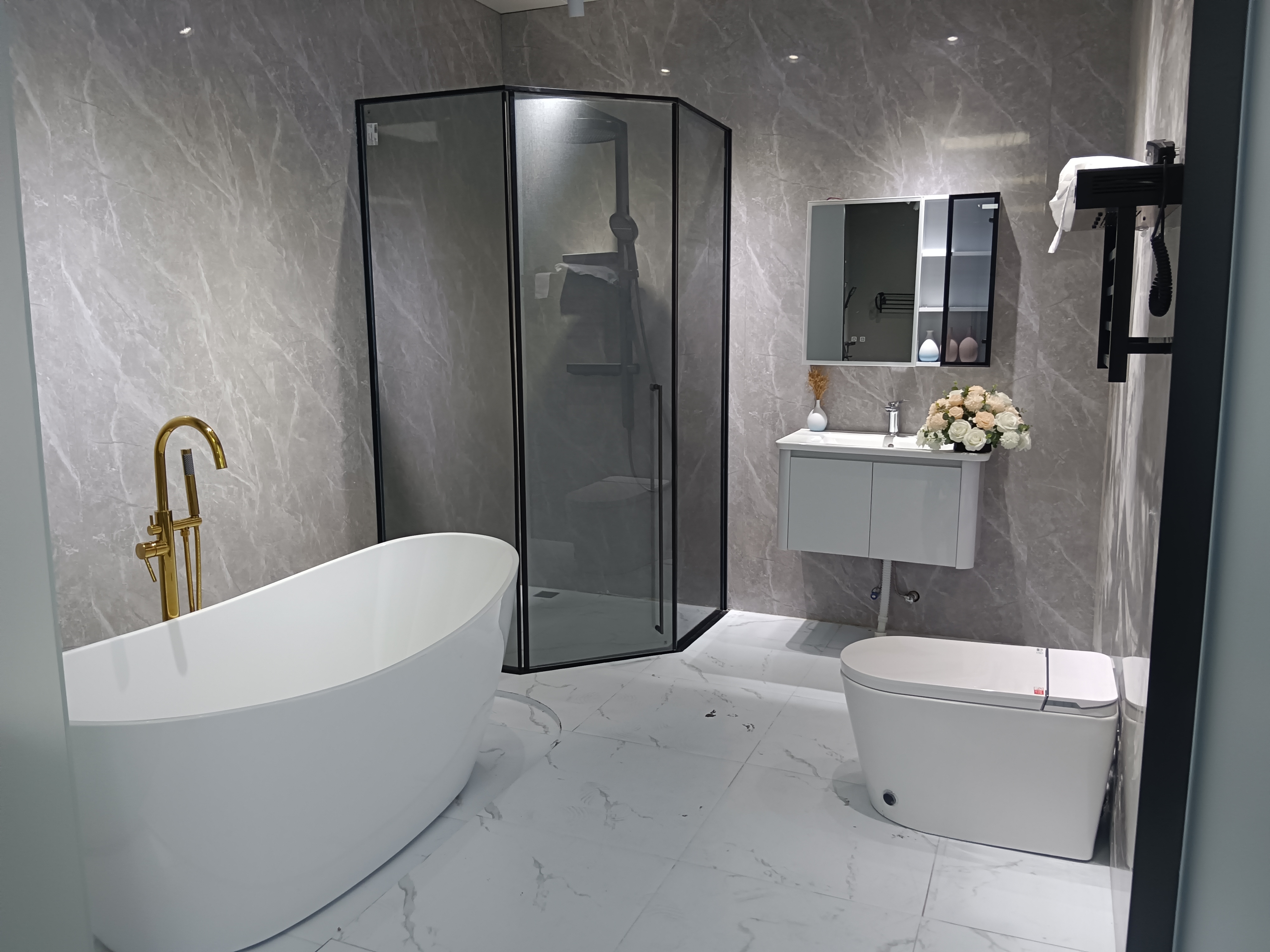
Conversely, variable costs consist of raw metal stocks, electrical heating elements, surface finishing treatments (e.g., PVD brushed gold, chrome, or matte black lacquer), protective packaging, and labor. Bulk orders grant factory suppliers higher volume rebates on raw components. Running large production lines through a strict 14-step quality control protocol ensures high yields and minimal defect rates, allowing manufacturers to pass direct production savings on to wholesale clients.
For large-scale commercial developments, custom requirements—such as specialized structural features like Patent 15269911 for integrated towel storage—require custom tooling. Substantial volume orders absorb these customized tooling expenses, as illustrated by the Dubai Palm Jumeirah 5-Star Hotel Project (380 smart towel racks) and the Hanoi High-end Residential Project (150 units), resulting in significantly reduced unit costs for real estate developers and operators.
Order Volume vs. Unit Price Matrix
Evaluating how order volume tiers affect per-unit rates and production lead times helps procurement officers and distributors structure their purchasing schedules effectively.
| Order Tier | Volume Range | Unit Price Impact | Production Lead Time | Target Application Scenarios |
|---|---|---|---|---|
| Sample / Trial Order | 1 – 19 pcs | Standard Unit Price (Full fixed cost allocation) | 3 – 7 Days | Design verification, mock-up rooms, luxury villa sample testing |
| Mid-Volume Commercial | 20 – 200 pcs | Discounted Unit Rate (Partial overhead amortization) | 20 – 30 Days | Boutique hotels, senior care facilities, residential apartment fit-outs |
| High-Volume OEM / Project | 200+ pcs | Lowest Unit Rate (Optimal scale efficiency) | 30 – 45 Days | Chain hotel developments, supermarket chain distribution, major real estate projects |
Frequently Asked Questions
How do customized surface finishes influence bulk pricing for heated towel rails?
Specialized surface finishes such as electroplated chrome, PVD brushed gold, or matte black lacquer require dedicated chemical processing tanks. Processing these finishes in high-volume batches maximizes tank capacity utilization, lowering the per-unit finish cost significantly compared to short, fragmented runs.
What minimum order volume is required to qualify for wholesale tier pricing?
Single sample pieces (MOQ of 1) are available for physical testing and design evaluation. Tiered volume discounts begin at batch orders of 20 units, with maximum cost savings achieved on full-container loads or large engineering project orders of several hundred units.
What payment terms and freight methods apply to bulk volume orders?
Standard payment terms for large-scale orders include T/T (30% deposit with 70% balance paid against the Bill of Lading) or irrevocable sight L/C for major international projects. Bulk shipments are typically delivered via ocean freight (FCL/LCL) or multimodal transport, whereas sample units are sent via express air courier.
Summary & Strategic Recommendations
To optimize procurement budgets for heated towel rails, buyers should align purchasing volume with factory capacity. Maximizing order volume ensures continuous throughput across 20 specialized assembly lines while maintaining rigorous adherence to a 14-step quality control system. Supported by a 2-year warranty and complete technical backing, volume procurement delivers clear economic benefits for hospitality, commercial, and residential projects. For custom solutions or engineering inquiries, contact us at charlene@seosodo.com.
Company Profile
Foshan Pinshi Sanitary Ware Co., Ltd. (ODO) is a leading sanitary ware manufacturer established in 2014. Operating across three production facilities covering 20,000 square meters, the company employs 245 skilled workers and operates 20 production lines capable of outputting 100,000 pieces per month. Certified under international benchmarks such as CE standards, ODO specializes in heated towel rails, stainless steel floor drains, shower niches, and premium bathroom fittings, exporting 80% of its output across Europe, the Middle East, North America, and Southeast Asia. The company provides tailored OEM and ODM solutions to clients worldwide.

REPORT