







-
 Agriculture
-
 Health-Care
-
 Environment
-
 Construction-Real-Estate
-
 Tools-Hardware
-
 Home-Garden
-
 Furniture
-
 Luggage-Bags-Cases
-
 Medical-devices-Supplies
-
 Gifts-Crafts
-
 Sports-Entertainment
-
 Food-Beverage
-
 Vehicles-Transportation
-
 Power-Transmission
-
 Material-Handling
-
 Renewable-Energy
-
 Safety
-
 Testing-Instrument-Equipment
-
 Construction-Building-Machinery
-
 Pet-Supplies
-
 Personal-Care-Household-Cleaning
-
 Vehicle-Accessories-Electronics-Tools
-
 School-Office-Supplies
-
 Packaging-Printing
-
 Mother-Kids-Toys
-
 Business-Services
-
 Commercial-Equipment-Machinery
-
 Apparel-Accessories
-
 Security
-
 Shoes-Accessories
-
 Vehicle-Parts-Accessories
-
 Jewelry-Eyewear-Watches-Accessories
-
 Lights-Lighting
-
 Fabric-Textile-Raw-Material
-
 Fabrication-Services
-
 Industrial-Machinery
-
 Consumer-Electronics
-
 Electrical-Equipment-Supplies
-
 Electronic-Components-Accessories-Telecommunications
-
 Home-Appliances
-
 Beauty
-
 Chemicals
-
 Rubber-Plastics
-
 Metals-Alloys


























































































































































































































































































































































































































































































































































































- Masonry Materials
- Curtain Walls & Accessories
- Earthwork Products
- Fireproofing Materials
- Heat Insulation Materials
- Plastic Building Materials
- Building Boards
- Soundproofing Materials
- Timber
- Waterproofing Materials
- Balustrades & Handrails
- Bathroom & Kitchen
- Flooring & Accessories
- Tiles & Accessories
- Door, Window & Accessories
- Fireplaces & Stoves
- Floor Heating Systems & Parts
- Stairs & Stair Parts
- Ceilings
- Elevators & Escalators
- Stone
- Countertops, Vanity Tops & Table Tops
- Mosaics
- Metal Building Materials
- Multifunctional Materials
- Ladders & Scaffoldings
- Mouldings
- Corner Guards
- Decorative Films
- Formwork
- Building & Industrial Glass
- Other Construction & Real Estate
- Wallpapers/Wall panels
- HVAC System & Parts
- Outdoor Facilities
- Prefabricated Buildings
- Festive & Party Supplies
- Bathroom Products
- Household Sundries
- Rain Gear
- Garden Supplies
- Household Cleaning Tools & Accessories
- Lighters & Smoking Accessories
- Home Storage & Organization
- Household Scales
- Smart Home Improvement
- Home Textiles
- Kitchenware
- Drinkware & Accessories
- Dinnerware, Coffee & Wine
- Home Decor
- Golf
- Fitness & Body Building
- Amusement Park Facilities
- Billiards, Board Game,Coin Operated Games
- Musical Instruments
- Outdoor Affordable Luxury Sports
- Camping & Hiking
- Fishing
- Sports Safety&Rehabilitation
- Ball Sports Equipments
- Water Sports
- Winter Sports
- Luxury Travel Equipments
- Sports Shoes, Bags & Accessories
- Cycling
- Other Sports & Entertainment Products
- Artificial Grass&Sports Flooring&Sports Court Equipment
- Scooters
- Food Ingredients
- Honey & Honey Products
- Snacks
- Nuts & Kernels
- Seafood
- Plant & Animal Oil
- Beverages
- Fruit & Vegetable Products
- Frog & Escargot
- Bean Products
- Egg Products
- Dairy Products
- Seasonings & Condiments
- Canned Food
- Instant Food
- Baked Goods
- Other Food & Beverage
- Meat & Poultry
- Confectionery
- Grain Products
- Feminie Care
- Hair Care & Styling
- Body Care
- Hands & Feet Care
- Hygiene Products
- Men's Grooming
- Laundry Cleaning Supplies
- Travel Size & Gift Sets
- Room Deodorizers
- Other Personal Care Products
- Pest Control Products
- Special Household Cleaning
- Floor Cleaning
- Kitchen & Bathroom Cleaning
- Oral Care
- Bath Supplies
- Yellow Pages
- Correction Supplies
- Office Binding Supplies
- Office Cutting Supplies
- Board Erasers
- Office Adhesives & Tapes
- Education Supplies
- Pencil Cases & Bags
- Notebooks & Writing Pads
- File Folder Accessories
- Calendars
- Writing Accessories
- Commercial Office Supplies
- Pencil Sharpeners
- Pens
- Letter Pad/Paper
- Paper Envelopes
- Desk Organizers
- Pencils
- Markers & Highlighters
- Filing Products
- Art Supplies
- Easels
- Badge Holder & Accessories
- Office Paper
- Printer Supplies
- Book Covers
- Other Office & School Supplies
- Stationery Set
- Boards
- Clipboards
- Stamps
- Drafting Supplies
- Stencils
- Electronic Dictionary
- Books
- Map
- Magazines
- Calculators
- Baby & Toddler Toys
- Educational Toys
- Classic Toys
- Dress Up & Pretend Play
- Toy Vehicle
- Stuffed Animals & Plush Toys
- Outdoor Toys & Structures
- Balloons & Accessories
- Baby Food
- Children's Clothing
- Baby Supplies & Products
- Maternity Clothes
- Kids Shoes
- Baby Care
- Novelty & Gag Toys
- Dolls & Accessories
- Puzzle & Games
- Blocks & Model Building Toys
- Toddler Clothing
- Baby Clothing
- Kids' Luggage & Bags
- Arts, Crafts & DIY Toys
- Action & Toy Figures
- Baby Appliances
- Hobbies & Models
- Remote Control Toys
- Promotional Toys
- Pregnancy & Maternity
- Hygiene Products
- Kid's Textile&Bedding
- Novelty & Special Use
- Toy Weapons
- Baby Gifts
- Baby Storage & Organization
- Auto Drive Systems
- ATV/UTV Parts & Accessories
- Marine Parts & Accessories
- Other Auto Parts
- Trailer Parts & Accessories
- Auto Transmission Systems
- Train Parts & Accessories
- Universal Parts
- Railway Parts & Accessories
- Auto Brake Systems
- Aviation Parts & Accessories
- Truck Parts & Accessories
- Auto Suspension Systems
- Auto Lighting Systems
- New Energy Vehicle Parts & Accessories
- Auto Steering Systems
- Wheels, Tires & Accessories
- Bus Parts & Accessories
- Auto Performance Parts
- Cooling System
- Go-Kart & Kart Racer Parts & Accessories
- Air Conditioning Systems
- Heavy Duty Vehicle Parts & Accessories
- Auto Electrical Systems
- Auto Body Systems
- Auto Engine Systems
- Container Parts & Accessories
- Motorcycle Parts & Accessories
- Refrigeration & Heat Exchange Equipment
- Machine Tool Equipment
- Food & Beverage Machinery
- Agricultural Machinery & Equipment
- Apparel & Textile Machinery
- Chemical Machinery
- Packaging Machines
- Paper Production Machinery
- Plastic & Rubber Processing Machinery
- Industrial Robots
- Electronic Products Machinery
- Metal & Metallurgy Machinery
- Woodworking Machinery
- Home Product Manufacturing Machinery
- Machinery Accessories
- Environmental Machinery
- Machinery Service
- Electrical Equipment Manufacturing Machinery
- Industrial Compressors & Parts
- Tobacco & Cigarette Machinery
- Production Line
- Used Industrial Machinery
- Electronics Production Machinery
- Other Machinery & Industrial Equipment
- Camera, Photo & Accessories
- Portable Audio, Video & Accessories
- Television, Home Audio, Video & Accessories
- Video Games & Accessories
- Mobile Phone & Accessories
- Electronic Publications
- Earphone & Headphone & Accessories
- Speakers & Accessories
- Smart Electronics
- TV Receivers & Accessories
- Mobile Phone & Computer Repair Parts
- Chargers, Batteries & Power Supplies
- Used Electronics
- VR, AR, MR Hardware & Software
- Projectors & Presentation Equipments
- Other Consumer Electronics
- Cables & Commonly Used Accessories
- Computer Hardware & Software
- Displays, Signage and Optoelectronics
- Discrete Semiconductors
- Wireless & IoT Module and Products
- Telecommunications
- Connectors, Terminals & Accessories
- Development Boards, Electronic Modules and Kits
- Circuit Protection
- Sensors
- Isolators
- Audio Components and Products
- Integrated Circuits
- Power Supplies
- Relays
- RF, Microwave and RFID
- Electronic Accessories & Supplies
- Passive Components
- PCB & PCBA
- Air Quality Appliances
- Home Appliance Parts
- Heating & Cooling Appliances
- Small Kitchen Appliances
- Laundry Appliances
- Water Heaters
- Water Treatment Appliances
- Refrigerators & Freezers
- Personal Care & Beauty Appliances
- Major Kitchen Appliances
- Cleaning Appliances
- Second-hand Appliances
- Smart Home Appliances
- Other Home Appliances
- Energy Chemicals
- Inorganic Chemicals
- Basic Organic Chemicals
- Agrochemicals
- Admixture & Additives
- Catalysts & Chemical Auxiliary Agents
- Pigments & Dyestuff
- Coating & Paint
- Daily Chemicals
- Polymer
- Organic Intermediate
- Adhesives & Sealants
- Chemical Waste
- Biological Chemical Products
- Surface Treatment Chemicals
- Painting & Coating
- Chemical Reagents
- Flavor & Fragrance
- Non-Explosive Demolition Agents
- Other Chemicals
- Custom Chemical Services

Understanding the Quality Gap Between Human Hair Samples and Wholesale Production Batches
Beauty brand owners and wholesale buyers often notice that initial crochet human hair samples showcase a superior texture, luster, and soft touch compared to large production batches. This noticeable difference is not necessarily intentional; rather, it stems from the fundamental distinction between single-unit artisan crafting and industrial mass manufacturing. When creating prototypes, technicians hand-sort single-donor strands and perform meticulous thermal steam texturing. In contrast, commercial manufacturing processes aggregate hair from multiple sources and process hundreds of bundles simultaneously in automated autoclaves.
Key Insights & Actionable Solutions
- Precision Hair Grading: Prototype development relies on pristine, hand-picked 100% human hair strands to keep cuticles perfectly aligned. Factory production runs require strict multi-phase raw material inspections to ensure uniform sheen and flexibility across larger lots.
- Controlled Steam Styling: Single sample bundles receive direct, tailored temperature control when shaping textures such as Deep Curly, Water Wave, or Kinky Straight. Industrial steam setting across multi-bundle chambers requires tight thermal monitoring to avoid subtle variance between inner and outer batches.
- Individualized Finishing Treatments: Prototype units undergo deep manual conditioning and hand-combing prior to dispatch, whereas commercial manufacturing utilizes streamlined finishing procedures engineered for scalable supply to salons and online retailers.
- Standardized Quality Control (QC): Enforcing strict pre-shipment inspections—covering shade matching, density, length, weight, and double-weft integrity—effectively bridges the gap between sample prototypes and volume shipments.
In-Depth Technical & Process Analysis
The variation in visual appearance and tactile feel between prototypes and bulk shipments is primarily driven by operational scale and hair sourcing dynamics. Sample production leverages carefully selected hair from individual donors, preserving natural moisture balance and consistent cuticle orientation. When transitioning to full-scale manufacturing, suppliers combine hair bundles across larger donor pools to meet volume demands. Even with pure 100% human hair, variations in strand porosity impact dye absorption for popular shades like #1B, #27, #30, or #99J, as well as how strands react to heat styling.
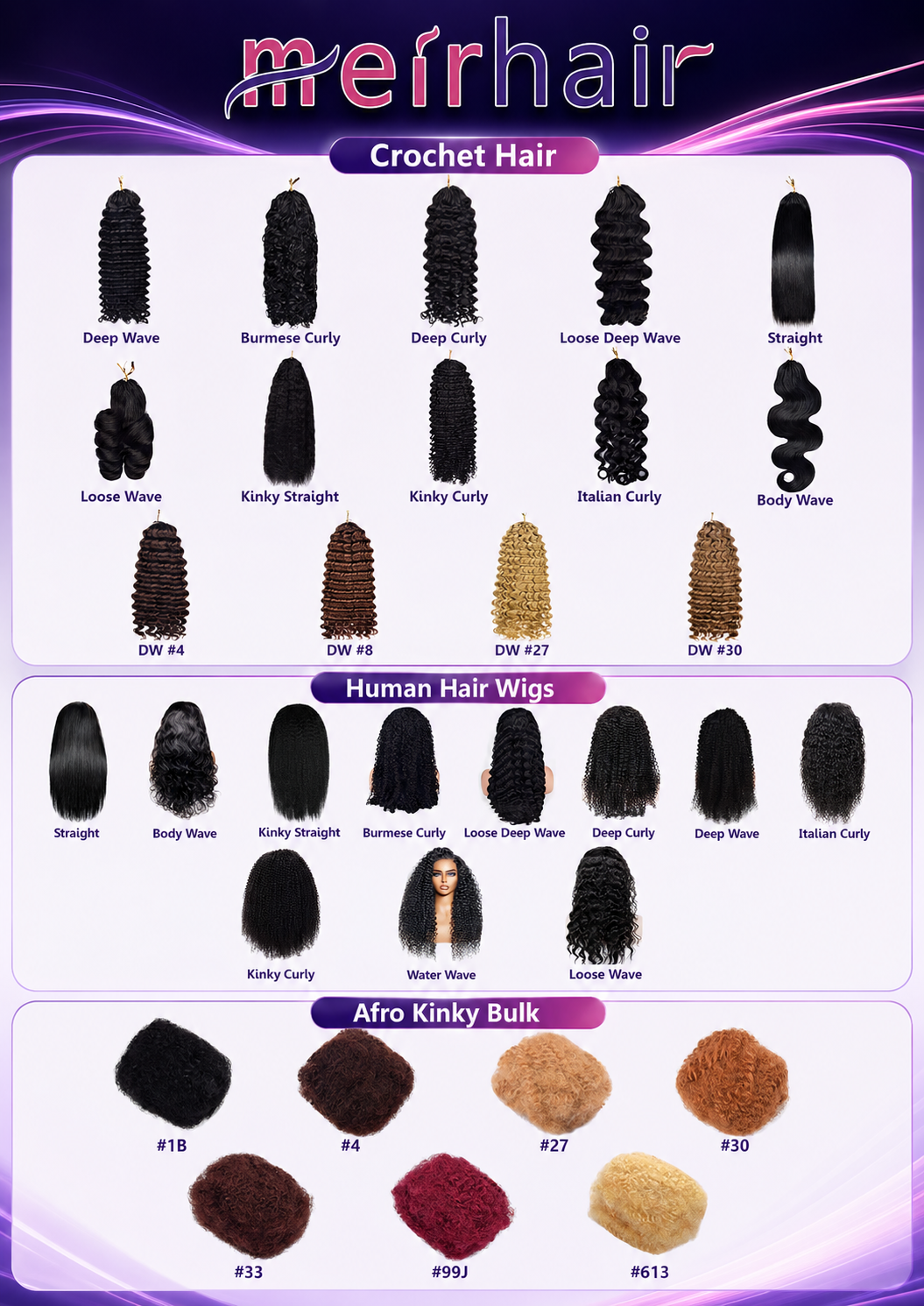
Mechanical stress during large-scale production also influences the final product finish. Sample crafting relies on custom hand-sewing and careful end-sealing, which eliminates short hair filler and prevents shedding. Conversely, high-speed automated equipment processing large quantities of hair exerts greater mechanical tension on strands. Experience from international wholesale contracts in regions like the United Kingdom and France confirms that introducing standardized raw material checks alongside calibrated steam treatments for lengths from 8 to 40 inches protects natural shine and structural strength in bulk runs.
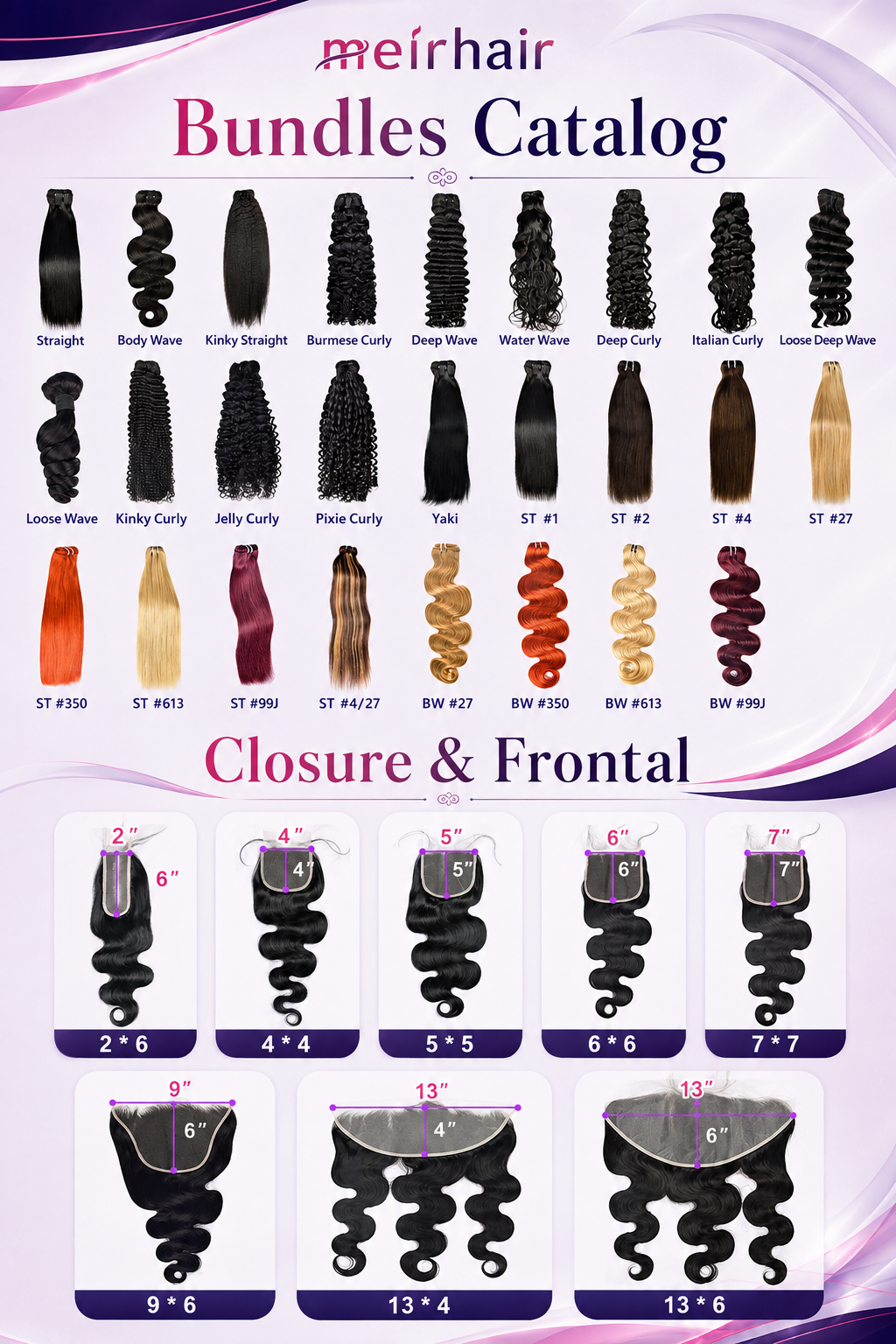
Furthermore, thermal dynamics differ significantly between single-unit and multi-unit setups. Steam-styling a single deep wave or kinky curly bundle ensures uniform heat transfer along every rod. Inside large industrial autoclaves, tightly grouped rods experience temperature gradients between center and edge zones. Establishing tight controls for steam pressure, heat exposure, and cooling cycles keeps mass-produced crochet extensions faithful to pre-approved samples.
Workflow & Parameter Comparison
Comparing prototype workflows against bulk production steps helps sourcing managers establish precise technical specifications and realistic quality tolerances.
| Workflow Phase | Sample Prototype Creation | Bulk Manufacturing Run |
|---|---|---|
| Raw Sourcing | Hand-selected single-donor 100% human hair | Multi-donor inspected raw hair lots |
| Texture Formation | Single-unit precision steam texturing | Multi-bundle industrial steam autoclaving |
| Color Processing | Hand-dyed individual shade matching | Industrial vat immersion with automated rinse |
| Quality Assurance | 100% manual end-to-end check | Multi-stage standardized pre-shipment QC |
| Minimum Order (MOQ) | 1 piece evaluation sample | Scalable volume-based bulk production |
| Turnaround Time | 7 Days (Standard sample turnaround) | 15–30 Days (Based on volume and complexity) |
Frequently Asked Questions
Why do initial human hair samples feel softer than bulk extensions?
Samples receive individual deep-conditioning and careful manual combing before shipping. Mass-manufactured orders go through industrial washing and automated drying cycles, which may temporarily reduce surface moisture until standard salon conditioning is applied.
How can retail hair brands prevent quality loss in mass orders?
Brands should partner with suppliers that implement comprehensive QC protocols—including raw hair grading, accurate length/weight verification, robust double-weft construction, and systematic color matching—before orders are dispatched.
Can mass-produced crochet human hair extensions be dyed and restyled?
Yes. As long as they are manufactured from authentic 100% human hair, production bundles can be bleached, dyed, and thermally restyled across various textures, from Straight and Body Wave to Deep Curly and Afro styles.
Conclusion & Best Practices
Bridging the quality divide between sample prototypes and bulk production requires standardized operating procedures at every manufacturing stage. By leveraging OEM/ODM customization options, setting explicit technical criteria for length, density, texture, and color, and enforcing rigorous pre-shipment inspections, hair brands can ensure consistent product quality. Starting with manageable trial runs before placing large wholesale orders helps safeguard brand reputation across international retail and salon channels. For professional guidance or manufacturing inquiries, reach out to sales@brazilianhairtop.com.
About Us
Guangzhou Ruiju E-Commerce Co., Ltd. operates the specialized human hair brand meirhair, delivering premium human hair wigs, hair bundles, lace closures, frontals, and custom extension solutions to the global beauty industry. Founded in 2014, the company runs a 5,000 sqm manufacturing facility with advanced customization capabilities across textures, lengths, colors, and cap designs. Serving distributors and salon networks across North America, Europe, Africa, and the Middle East, the enterprise provides dependable OEM/ODM manufacturing, private label branding, and wholesale supply. 
REPORT