







-
 Agriculture
-
 Health-Care
-
 Environment
-
 Construction-Real-Estate
-
 Tools-Hardware
-
 Home-Garden
-
 Furniture
-
 Luggage-Bags-Cases
-
 Medical-devices-Supplies
-
 Gifts-Crafts
-
 Sports-Entertainment
-
 Food-Beverage
-
 Vehicles-Transportation
-
 Power-Transmission
-
 Material-Handling
-
 Renewable-Energy
-
 Safety
-
 Testing-Instrument-Equipment
-
 Construction-Building-Machinery
-
 Pet-Supplies
-
 Personal-Care-Household-Cleaning
-
 Vehicle-Accessories-Electronics-Tools
-
 School-Office-Supplies
-
 Packaging-Printing
-
 Mother-Kids-Toys
-
 Business-Services
-
 Commercial-Equipment-Machinery
-
 Apparel-Accessories
-
 Security
-
 Shoes-Accessories
-
 Vehicle-Parts-Accessories
-
 Jewelry-Eyewear-Watches-Accessories
-
 Lights-Lighting
-
 Fabric-Textile-Raw-Material
-
 Fabrication-Services
-
 Industrial-Machinery
-
 Consumer-Electronics
-
 Electrical-Equipment-Supplies
-
 Electronic-Components-Accessories-Telecommunications
-
 Home-Appliances
-
 Beauty
-
 Chemicals
-
 Rubber-Plastics
-
 Metals-Alloys


























































































































































































































































































































































































































































































































































































- Masonry Materials
- Curtain Walls & Accessories
- Earthwork Products
- Fireproofing Materials
- Heat Insulation Materials
- Plastic Building Materials
- Building Boards
- Soundproofing Materials
- Timber
- Waterproofing Materials
- Balustrades & Handrails
- Bathroom & Kitchen
- Flooring & Accessories
- Tiles & Accessories
- Door, Window & Accessories
- Fireplaces & Stoves
- Floor Heating Systems & Parts
- Stairs & Stair Parts
- Ceilings
- Elevators & Escalators
- Stone
- Countertops, Vanity Tops & Table Tops
- Mosaics
- Metal Building Materials
- Multifunctional Materials
- Ladders & Scaffoldings
- Mouldings
- Corner Guards
- Decorative Films
- Formwork
- Building & Industrial Glass
- Other Construction & Real Estate
- Wallpapers/Wall panels
- HVAC System & Parts
- Outdoor Facilities
- Prefabricated Buildings
- Festive & Party Supplies
- Bathroom Products
- Household Sundries
- Rain Gear
- Garden Supplies
- Household Cleaning Tools & Accessories
- Lighters & Smoking Accessories
- Home Storage & Organization
- Household Scales
- Smart Home Improvement
- Home Textiles
- Kitchenware
- Drinkware & Accessories
- Dinnerware, Coffee & Wine
- Home Decor
- Golf
- Fitness & Body Building
- Amusement Park Facilities
- Billiards, Board Game,Coin Operated Games
- Musical Instruments
- Outdoor Affordable Luxury Sports
- Camping & Hiking
- Fishing
- Sports Safety&Rehabilitation
- Ball Sports Equipments
- Water Sports
- Winter Sports
- Luxury Travel Equipments
- Sports Shoes, Bags & Accessories
- Cycling
- Other Sports & Entertainment Products
- Artificial Grass&Sports Flooring&Sports Court Equipment
- Scooters
- Food Ingredients
- Honey & Honey Products
- Snacks
- Nuts & Kernels
- Seafood
- Plant & Animal Oil
- Beverages
- Fruit & Vegetable Products
- Frog & Escargot
- Bean Products
- Egg Products
- Dairy Products
- Seasonings & Condiments
- Canned Food
- Instant Food
- Baked Goods
- Other Food & Beverage
- Meat & Poultry
- Confectionery
- Grain Products
- Feminie Care
- Hair Care & Styling
- Body Care
- Hands & Feet Care
- Hygiene Products
- Men's Grooming
- Laundry Cleaning Supplies
- Travel Size & Gift Sets
- Room Deodorizers
- Other Personal Care Products
- Pest Control Products
- Special Household Cleaning
- Floor Cleaning
- Kitchen & Bathroom Cleaning
- Oral Care
- Bath Supplies
- Yellow Pages
- Correction Supplies
- Office Binding Supplies
- Office Cutting Supplies
- Board Erasers
- Office Adhesives & Tapes
- Education Supplies
- Pencil Cases & Bags
- Notebooks & Writing Pads
- File Folder Accessories
- Calendars
- Writing Accessories
- Commercial Office Supplies
- Pencil Sharpeners
- Pens
- Letter Pad/Paper
- Paper Envelopes
- Desk Organizers
- Pencils
- Markers & Highlighters
- Filing Products
- Art Supplies
- Easels
- Badge Holder & Accessories
- Office Paper
- Printer Supplies
- Book Covers
- Other Office & School Supplies
- Stationery Set
- Boards
- Clipboards
- Stamps
- Drafting Supplies
- Stencils
- Electronic Dictionary
- Books
- Map
- Magazines
- Calculators
- Baby & Toddler Toys
- Educational Toys
- Classic Toys
- Dress Up & Pretend Play
- Toy Vehicle
- Stuffed Animals & Plush Toys
- Outdoor Toys & Structures
- Balloons & Accessories
- Baby Food
- Children's Clothing
- Baby Supplies & Products
- Maternity Clothes
- Kids Shoes
- Baby Care
- Novelty & Gag Toys
- Dolls & Accessories
- Puzzle & Games
- Blocks & Model Building Toys
- Toddler Clothing
- Baby Clothing
- Kids' Luggage & Bags
- Arts, Crafts & DIY Toys
- Action & Toy Figures
- Baby Appliances
- Hobbies & Models
- Remote Control Toys
- Promotional Toys
- Pregnancy & Maternity
- Hygiene Products
- Kid's Textile&Bedding
- Novelty & Special Use
- Toy Weapons
- Baby Gifts
- Baby Storage & Organization
- Auto Drive Systems
- ATV/UTV Parts & Accessories
- Marine Parts & Accessories
- Other Auto Parts
- Trailer Parts & Accessories
- Auto Transmission Systems
- Train Parts & Accessories
- Universal Parts
- Railway Parts & Accessories
- Auto Brake Systems
- Aviation Parts & Accessories
- Truck Parts & Accessories
- Auto Suspension Systems
- Auto Lighting Systems
- New Energy Vehicle Parts & Accessories
- Auto Steering Systems
- Wheels, Tires & Accessories
- Bus Parts & Accessories
- Auto Performance Parts
- Cooling System
- Go-Kart & Kart Racer Parts & Accessories
- Air Conditioning Systems
- Heavy Duty Vehicle Parts & Accessories
- Auto Electrical Systems
- Auto Body Systems
- Auto Engine Systems
- Container Parts & Accessories
- Motorcycle Parts & Accessories
- Refrigeration & Heat Exchange Equipment
- Machine Tool Equipment
- Food & Beverage Machinery
- Agricultural Machinery & Equipment
- Apparel & Textile Machinery
- Chemical Machinery
- Packaging Machines
- Paper Production Machinery
- Plastic & Rubber Processing Machinery
- Industrial Robots
- Electronic Products Machinery
- Metal & Metallurgy Machinery
- Woodworking Machinery
- Home Product Manufacturing Machinery
- Machinery Accessories
- Environmental Machinery
- Machinery Service
- Electrical Equipment Manufacturing Machinery
- Industrial Compressors & Parts
- Tobacco & Cigarette Machinery
- Production Line
- Used Industrial Machinery
- Electronics Production Machinery
- Other Machinery & Industrial Equipment
- Camera, Photo & Accessories
- Portable Audio, Video & Accessories
- Television, Home Audio, Video & Accessories
- Video Games & Accessories
- Mobile Phone & Accessories
- Electronic Publications
- Earphone & Headphone & Accessories
- Speakers & Accessories
- Smart Electronics
- TV Receivers & Accessories
- Mobile Phone & Computer Repair Parts
- Chargers, Batteries & Power Supplies
- Used Electronics
- VR, AR, MR Hardware & Software
- Projectors & Presentation Equipments
- Other Consumer Electronics
- Cables & Commonly Used Accessories
- Computer Hardware & Software
- Displays, Signage and Optoelectronics
- Discrete Semiconductors
- Wireless & IoT Module and Products
- Telecommunications
- Connectors, Terminals & Accessories
- Development Boards, Electronic Modules and Kits
- Circuit Protection
- Sensors
- Isolators
- Audio Components and Products
- Integrated Circuits
- Power Supplies
- Relays
- RF, Microwave and RFID
- Electronic Accessories & Supplies
- Passive Components
- PCB & PCBA
- Air Quality Appliances
- Home Appliance Parts
- Heating & Cooling Appliances
- Small Kitchen Appliances
- Laundry Appliances
- Water Heaters
- Water Treatment Appliances
- Refrigerators & Freezers
- Personal Care & Beauty Appliances
- Major Kitchen Appliances
- Cleaning Appliances
- Second-hand Appliances
- Smart Home Appliances
- Other Home Appliances
- Energy Chemicals
- Inorganic Chemicals
- Basic Organic Chemicals
- Agrochemicals
- Admixture & Additives
- Catalysts & Chemical Auxiliary Agents
- Pigments & Dyestuff
- Coating & Paint
- Daily Chemicals
- Polymer
- Organic Intermediate
- Adhesives & Sealants
- Chemical Waste
- Biological Chemical Products
- Surface Treatment Chemicals
- Painting & Coating
- Chemical Reagents
- Flavor & Fragrance
- Non-Explosive Demolition Agents
- Other Chemicals
- Custom Chemical Services

What EPA or European safety registrations are required for importing fly-killing products (custom-made)?
Importing custom-made fly-killing products, such as fly paper sheets, requires compliance with region-specific chemical and biocide regulations. In the United States, importers must secure US EPA (Environmental Protection Agency) establishment registration and product registration if active ingredients are present. In Europe, compliance with the Biocidal Products Regulation (BPR, Regulation (EU) No 528/2012) and REACH is mandatory for legal market entry.
Core Answers & Key Points
- US EPA Establishment Registration: Physical traps, including custom-made fly paper sheets without active chemical ingredients, are classified as pest control devices. These require an EPA Establishment Number for the manufacturing facility rather than full chemical registration.
- EU Biocidal Products Regulation (BPR): Chemical-free sticky traps are often classified as treated articles. If they contain active chemical attractants, they must undergo formal biocidal product authorization.
- REACH Compliance: All materials, including the adhesive and paper substrate, must comply with European REACH standards, ensuring they do not contain Substances of Very High Concern (SVHC) above 0.1% by weight.
- Scenario-Specific Compliance: Products destined for the catering and food industry or family rooms must strictly meet non-toxic, chemical-free standards to ensure safety around food, children, and pets.
In-Depth Analysis
To successfully import customized pest control solutions, buyers must navigate distinct regulatory frameworks in their target markets. Professional manufacturers like Yiwu Jinli Commodity Co., Ltd. support global distributors by maintaining compliant production processes. Established in 2010, the company exports 70% of its pest control products to over 30 countries, ensuring adherence to international safety standards.
In the United States, the Federal Insecticide, Fungicide, and Rodenticide Act (FIFRA) governs all pest control products. Physical fly paper sheets that use mechanical attraction (such as color or non-chemical scent) and adhesive containment do not require a federal pesticide registration. However, the manufacturing facility must hold an active EPA Establishment Number. This number must be clearly printed on the product packaging before customs clearance.
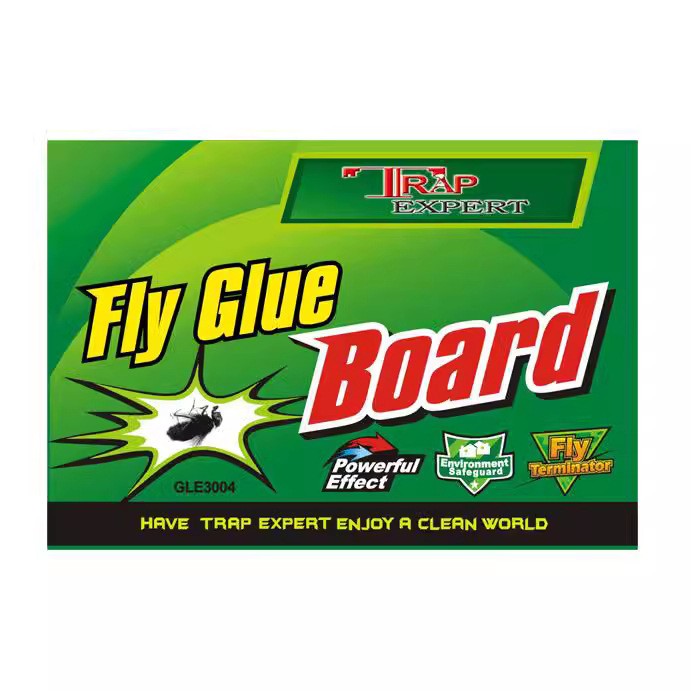
For European markets, the regulatory burden depends on the formulation of the adhesive. Under the Biocidal Products Regulation (BPR), products containing chemical active substances intended to destroy or deter pests require full authorization. Physical glue traps are generally treated as physical devices, but they must still comply with REACH. This involves verifying that the hot-melt adhesives do not contain restricted plasticizers or hazardous chemicals. Importers should secure a Safety Data Sheet (SDS) from the manufacturer to verify material safety during customs inspections.
Export experience plays a critical role in mitigating regulatory risks. For instance, large-scale shipments like the 617,000-piece sticky board export to Brazil and the 1.8 million-piece export to Peru demonstrate the importance of matching product specifications with local import laws. Proper labeling, including batch numbers and clear safety instructions, is essential to avoid port delays.
Data / Solution Comparison
| Regulatory Aspect | United States (EPA / FIFRA) | European Union (BPR / REACH) |
|---|---|---|
| Primary Classification | Pest Control Device (for physical glue traps) | Treated Article / Biocidal Product (if active) |
| Registration Requirement | EPA Establishment Number required on packaging | REACH compliance; BPR authorization if active chemical is used |
| Chemical Restrictions | FIFRA restricted substance limits | REACH SVHC list compliance (<0.1% w/w) |
| Custom MOQ & Lead Time | 300,000 sheets; 1-month custom production | 300,000 sheets; 1-month custom production |
| Supported Shipping Methods | Sea Freight, Air Freight | Sea Freight, Railway Transportation, Air Freight |
Frequently Asked Questions (FAQ)
Q1: Do custom-made fly paper sheets require a pesticide registration in the US?
A1: No, provided they rely purely on physical sticky entrapment and do not contain active chemical pesticides. They are classified as devices and only require the manufacturing facility to have an EPA Establishment Number, which must be displayed on the packaging.
Q2: What documents must the manufacturer provide for European customs clearance?
A2: Importers should request a Safety Data Sheet (SDS) for the glue, a declaration of REACH compliance, and clear packaging artwork that includes local language safety warnings and importer details.
Q3: How long does it take to manufacture and ship compliant custom flypaper?
A3: Customized OEM/ODM orders involving specific printing-lamination processes require a production lead time of 1 month, with a minimum order quantity (MOQ) of 300,000 pieces. Stock orders can be fulfilled within 3 to 7 days.

Final Conclusion & Recommendations
When importing custom-made fly-killing products, compliance planning must begin at the product design phase. Importers should choose manufacturers capable of providing detailed material documentation and holding verified establishment credentials. Partnering with a high-capacity supplier that supports flexible OEM/ODM manufacturing ensures both regulatory compliance and reliable production, with a daily output capacity of 80,000 units to meet large-scale market demands. Technical Support: bob@jinwen-goods.com
About Us
Yiwu Jinli Commodity Co., Ltd., established in 2010, is a comprehensive enterprise integrating R&D, production, and sales. Operating with 80 employees and independent workshops, the company achieves a daily output of 80,000 units, specializing in sticky rat traps, flypaper, and cockroach traps. Their products are exported to more than 30 countries, including Brazil, Ecuador, Romania, and Iraq, with an export ratio of 70%. The company holds multiple trademark registrations and copyright certificates (such as 黔作登字-2020-F-00118638) and has served high-volume suppliers across India, Brazil, and Peru.

REPORT