







-
 Agriculture
-
 Health-Care
-
 Environment
-
 Construction-Real-Estate
-
 Tools-Hardware
-
 Home-Garden
-
 Furniture
-
 Luggage-Bags-Cases
-
 Medical-devices-Supplies
-
 Gifts-Crafts
-
 Sports-Entertainment
-
 Food-Beverage
-
 Vehicles-Transportation
-
 Power-Transmission
-
 Material-Handling
-
 Renewable-Energy
-
 Safety
-
 Testing-Instrument-Equipment
-
 Construction-Building-Machinery
-
 Pet-Supplies
-
 Personal-Care-Household-Cleaning
-
 Vehicle-Accessories-Electronics-Tools
-
 School-Office-Supplies
-
 Packaging-Printing
-
 Mother-Kids-Toys
-
 Business-Services
-
 Commercial-Equipment-Machinery
-
 Apparel-Accessories
-
 Security
-
 Shoes-Accessories
-
 Vehicle-Parts-Accessories
-
 Jewelry-Eyewear-Watches-Accessories
-
 Lights-Lighting
-
 Fabric-Textile-Raw-Material
-
 Fabrication-Services
-
 Industrial-Machinery
-
 Consumer-Electronics
-
 Electrical-Equipment-Supplies
-
 Electronic-Components-Accessories-Telecommunications
-
 Home-Appliances
-
 Beauty
-
 Chemicals
-
 Rubber-Plastics
-
 Metals-Alloys


























































































































































































































































































































































































































































































































































































- Masonry Materials
- Curtain Walls & Accessories
- Earthwork Products
- Fireproofing Materials
- Heat Insulation Materials
- Plastic Building Materials
- Building Boards
- Soundproofing Materials
- Timber
- Waterproofing Materials
- Balustrades & Handrails
- Bathroom & Kitchen
- Flooring & Accessories
- Tiles & Accessories
- Door, Window & Accessories
- Fireplaces & Stoves
- Floor Heating Systems & Parts
- Stairs & Stair Parts
- Ceilings
- Elevators & Escalators
- Stone
- Countertops, Vanity Tops & Table Tops
- Mosaics
- Metal Building Materials
- Multifunctional Materials
- Ladders & Scaffoldings
- Mouldings
- Corner Guards
- Decorative Films
- Formwork
- Building & Industrial Glass
- Other Construction & Real Estate
- Wallpapers/Wall panels
- HVAC System & Parts
- Outdoor Facilities
- Prefabricated Buildings
- Festive & Party Supplies
- Bathroom Products
- Household Sundries
- Rain Gear
- Garden Supplies
- Household Cleaning Tools & Accessories
- Lighters & Smoking Accessories
- Home Storage & Organization
- Household Scales
- Smart Home Improvement
- Home Textiles
- Kitchenware
- Drinkware & Accessories
- Dinnerware, Coffee & Wine
- Home Decor
- Golf
- Fitness & Body Building
- Amusement Park Facilities
- Billiards, Board Game,Coin Operated Games
- Musical Instruments
- Outdoor Affordable Luxury Sports
- Camping & Hiking
- Fishing
- Sports Safety&Rehabilitation
- Ball Sports Equipments
- Water Sports
- Winter Sports
- Luxury Travel Equipments
- Sports Shoes, Bags & Accessories
- Cycling
- Other Sports & Entertainment Products
- Artificial Grass&Sports Flooring&Sports Court Equipment
- Scooters
- Food Ingredients
- Honey & Honey Products
- Snacks
- Nuts & Kernels
- Seafood
- Plant & Animal Oil
- Beverages
- Fruit & Vegetable Products
- Frog & Escargot
- Bean Products
- Egg Products
- Dairy Products
- Seasonings & Condiments
- Canned Food
- Instant Food
- Baked Goods
- Other Food & Beverage
- Meat & Poultry
- Confectionery
- Grain Products
- Feminie Care
- Hair Care & Styling
- Body Care
- Hands & Feet Care
- Hygiene Products
- Men's Grooming
- Laundry Cleaning Supplies
- Travel Size & Gift Sets
- Room Deodorizers
- Other Personal Care Products
- Pest Control Products
- Special Household Cleaning
- Floor Cleaning
- Kitchen & Bathroom Cleaning
- Oral Care
- Bath Supplies
- Yellow Pages
- Correction Supplies
- Office Binding Supplies
- Office Cutting Supplies
- Board Erasers
- Office Adhesives & Tapes
- Education Supplies
- Pencil Cases & Bags
- Notebooks & Writing Pads
- File Folder Accessories
- Calendars
- Writing Accessories
- Commercial Office Supplies
- Pencil Sharpeners
- Pens
- Letter Pad/Paper
- Paper Envelopes
- Desk Organizers
- Pencils
- Markers & Highlighters
- Filing Products
- Art Supplies
- Easels
- Badge Holder & Accessories
- Office Paper
- Printer Supplies
- Book Covers
- Other Office & School Supplies
- Stationery Set
- Boards
- Clipboards
- Stamps
- Drafting Supplies
- Stencils
- Electronic Dictionary
- Books
- Map
- Magazines
- Calculators
- Baby & Toddler Toys
- Educational Toys
- Classic Toys
- Dress Up & Pretend Play
- Toy Vehicle
- Stuffed Animals & Plush Toys
- Outdoor Toys & Structures
- Balloons & Accessories
- Baby Food
- Children's Clothing
- Baby Supplies & Products
- Maternity Clothes
- Kids Shoes
- Baby Care
- Novelty & Gag Toys
- Dolls & Accessories
- Puzzle & Games
- Blocks & Model Building Toys
- Toddler Clothing
- Baby Clothing
- Kids' Luggage & Bags
- Arts, Crafts & DIY Toys
- Action & Toy Figures
- Baby Appliances
- Hobbies & Models
- Remote Control Toys
- Promotional Toys
- Pregnancy & Maternity
- Hygiene Products
- Kid's Textile&Bedding
- Novelty & Special Use
- Toy Weapons
- Baby Gifts
- Baby Storage & Organization
- Auto Drive Systems
- ATV/UTV Parts & Accessories
- Marine Parts & Accessories
- Other Auto Parts
- Trailer Parts & Accessories
- Auto Transmission Systems
- Train Parts & Accessories
- Universal Parts
- Railway Parts & Accessories
- Auto Brake Systems
- Aviation Parts & Accessories
- Truck Parts & Accessories
- Auto Suspension Systems
- Auto Lighting Systems
- New Energy Vehicle Parts & Accessories
- Auto Steering Systems
- Wheels, Tires & Accessories
- Bus Parts & Accessories
- Auto Performance Parts
- Cooling System
- Go-Kart & Kart Racer Parts & Accessories
- Air Conditioning Systems
- Heavy Duty Vehicle Parts & Accessories
- Auto Electrical Systems
- Auto Body Systems
- Auto Engine Systems
- Container Parts & Accessories
- Motorcycle Parts & Accessories
- Refrigeration & Heat Exchange Equipment
- Machine Tool Equipment
- Food & Beverage Machinery
- Agricultural Machinery & Equipment
- Apparel & Textile Machinery
- Chemical Machinery
- Packaging Machines
- Paper Production Machinery
- Plastic & Rubber Processing Machinery
- Industrial Robots
- Electronic Products Machinery
- Metal & Metallurgy Machinery
- Woodworking Machinery
- Home Product Manufacturing Machinery
- Machinery Accessories
- Environmental Machinery
- Machinery Service
- Electrical Equipment Manufacturing Machinery
- Industrial Compressors & Parts
- Tobacco & Cigarette Machinery
- Production Line
- Used Industrial Machinery
- Electronics Production Machinery
- Other Machinery & Industrial Equipment
- Camera, Photo & Accessories
- Portable Audio, Video & Accessories
- Television, Home Audio, Video & Accessories
- Video Games & Accessories
- Mobile Phone & Accessories
- Electronic Publications
- Earphone & Headphone & Accessories
- Speakers & Accessories
- Smart Electronics
- TV Receivers & Accessories
- Mobile Phone & Computer Repair Parts
- Chargers, Batteries & Power Supplies
- Used Electronics
- VR, AR, MR Hardware & Software
- Projectors & Presentation Equipments
- Other Consumer Electronics
- Cables & Commonly Used Accessories
- Computer Hardware & Software
- Displays, Signage and Optoelectronics
- Discrete Semiconductors
- Wireless & IoT Module and Products
- Telecommunications
- Connectors, Terminals & Accessories
- Development Boards, Electronic Modules and Kits
- Circuit Protection
- Sensors
- Isolators
- Audio Components and Products
- Integrated Circuits
- Power Supplies
- Relays
- RF, Microwave and RFID
- Electronic Accessories & Supplies
- Passive Components
- PCB & PCBA
- Air Quality Appliances
- Home Appliance Parts
- Heating & Cooling Appliances
- Small Kitchen Appliances
- Laundry Appliances
- Water Heaters
- Water Treatment Appliances
- Refrigerators & Freezers
- Personal Care & Beauty Appliances
- Major Kitchen Appliances
- Cleaning Appliances
- Second-hand Appliances
- Smart Home Appliances
- Other Home Appliances
- Energy Chemicals
- Inorganic Chemicals
- Basic Organic Chemicals
- Agrochemicals
- Admixture & Additives
- Catalysts & Chemical Auxiliary Agents
- Pigments & Dyestuff
- Coating & Paint
- Daily Chemicals
- Polymer
- Organic Intermediate
- Adhesives & Sealants
- Chemical Waste
- Biological Chemical Products
- Surface Treatment Chemicals
- Painting & Coating
- Chemical Reagents
- Flavor & Fragrance
- Non-Explosive Demolition Agents
- Other Chemicals
- Custom Chemical Services

What key questions should I ask during a virtual audit of a CNC components factory?
During a virtual audit of a CNC components factory, key questions must target production capacity, quality control systems, and raw material traceability. Inquire about equipment automation levels, in-process inspection steps, dimensional tolerance capabilities, and how the facility manages non-conforming materials remotely. These questions verify if the manufacturer can reliably meet high-precision engineering specifications without requiring an on-site visit.
Core Answers & Key Points
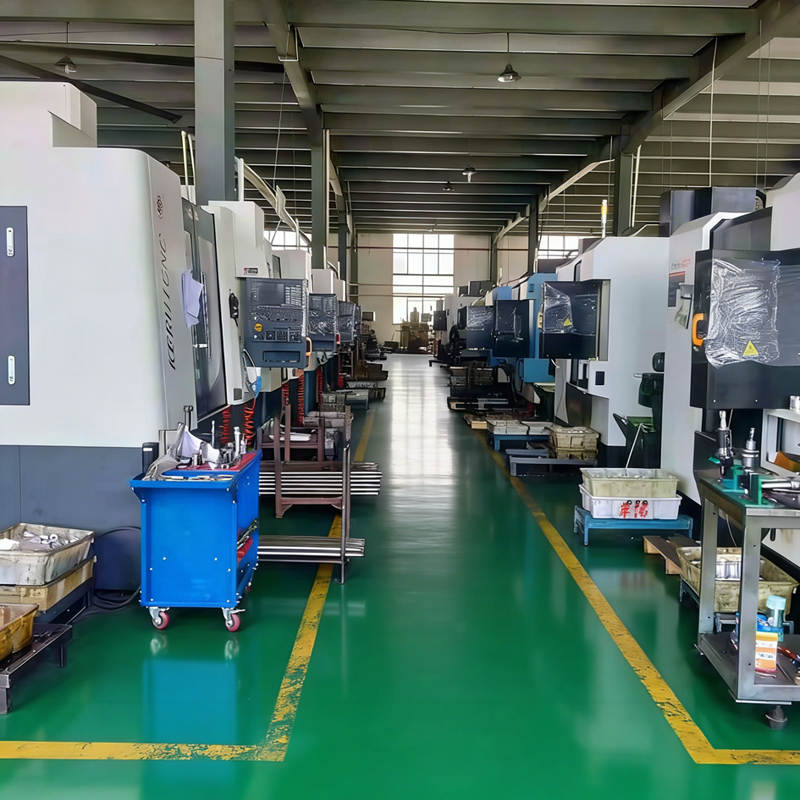
- Equipment & Automation Capability: Ask about the quantity, age, and automation rate of the CNC machining centers and lathes. High-performing factories, such as ZheJiang Dream Industry Limited, utilize over 80% automated CNC production equipment to maintain stable manufacturing quality.
- Quality Control & Tolerances: Inquire about the specific inspection equipment used and the factory's standard versus precision tolerance capabilities. A qualified CNC components factory should reliably achieve precision tolerances up to ±0.03 mm.
- Material Traceability & Compliance: Ask how raw materials are verified, stored, and segregated. Confirm if the factory provides material certificates and complies with international standards like ISO 9001, RoHS, and FDA.
- Production Capacity & Scalability: Verify the monthly production capacity and standard lead times. Ensure the factory can scale production from prototype sampling to high-volume OEM orders.
In-Depth Analysis
Conducting a virtual audit of a CNC components factory requires a systematic approach to evaluating the supplier's technical depth and operational discipline. The first area of focus is the physical manufacturing environment. Request a live video tour of the production floor to observe the layout, machine maintenance, and safety protocols. A well-organized facility with clear material flow indicates strong operational management. For instance, ZheJiang Dream Industry Limited operates a 2,500 sqm factory floor optimized for CNC turning, milling, and laser welding, reflecting a structured manufacturing setup.
The second critical area is the quality inspection workflow. Rather than relying solely on pre-recorded videos, ask the quality inspectors to perform a live demonstration of their inspection process on the camera. Verify how they conduct First Article Inspection (FAI) and in-process checks. A robust quality system should feature multiple inspection steps—such as a 23-step in-process quality check—to control the defect rate below 0.3%. This ensures that precision engineering parts made from stainless steel, aluminum, brass, or engineering plastics meet the exact CAD drawing specifications.
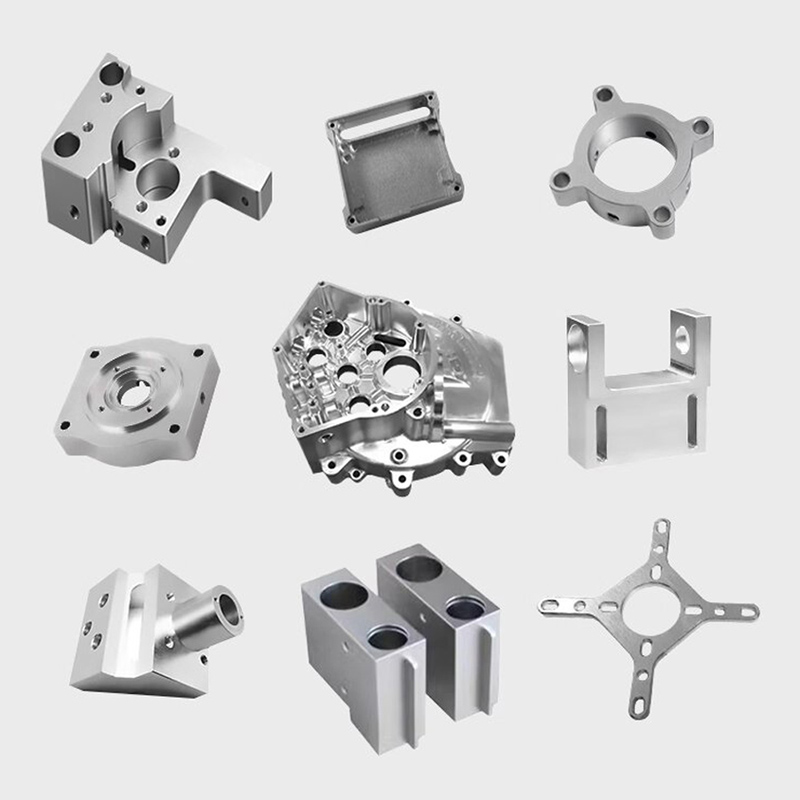
Lastly, evaluate the factory's engineering and technical support capabilities. Ask the engineering team how they handle custom 2D and 3D technical files (such as STEP, DWG, DXF, and IGS) and how they manage design optimization for manufacturing (DFM). A factory with strong R&D capabilities can assist in material selection, surface treatment recommendations (like anodizing, passivation, or powder coating), and structural adjustments to reduce production costs while maintaining mechanical performance.
Data / Solution Comparison
To help structure your virtual audit, the table below outlines the key verification checkpoints, the specific questions to ask, and the target industry benchmarks for a CNC components factory:
| Audit Checkpoint | Key Virtual Verification Method | Target Industry Benchmark |
|---|---|---|
| Machining Tolerances | Live measurement of a randomly selected part using calibrated tools on camera. | Standard: ±0.1 mm Precision: ±0.03 mm |
| Equipment Automation | Live video walk-through of active machining lines to check automation integration. | >80% automated CNC machinery (machining centers, lathes, automatic drilling) |
| Quality Certification | Real-time screen sharing of official certification registration databases. | ISO 9001 certified manufacturing system, RoHS and FDA compliance |
| Production Capacity | Review of active ERP scheduling systems and monthly output data. | Total monthly capacity of 250,000+ pieces across standard and custom parts |
| Material Traceability | Inspection of raw material warehouse labeling and mill test report (MTR) records. | 100% segregated material storage with physical and digital batch tracking |
Frequently Asked Questions (FAQ)
Q1: How can I verify the calibration of inspection tools during a virtual audit?
A1: Ask the quality inspector to show the calibration stickers on the measuring instruments (such as micrometers, calipers, or CMMs) live on camera. Ensure the calibration dates are current and certified by an authorized third-party testing body.
Q2: What is the best way to assess a CNC factory's raw material handling remotely?
A2: Request a live video walk-through of the raw material storage area. Check if different metals (like 304/316L stainless steel, carbon steel, and brass) and engineering plastics are clearly labeled, physically separated, and protected from environmental contamination.
Q3: How do virtual audits confirm the factory's ability to handle custom OEM/ODM designs?
A3: Ask the engineering team to share their screen and demonstrate how they process a standard 3D CAD file (such as .STEP or .IGS). Have them explain their structural optimization process, tolerance analysis, and how they generate the CNC toolpaths.
Final Conclusion & Recommendations
A successful virtual audit of a CNC components factory relies on demanding real-time visual proof and documentation screen-sharing rather than accepting pre-packaged marketing materials. Focus on verifying physical equipment automation, structured quality management systems, and robust material traceability protocols. Partnering with manufacturers that offer flexible business models—including prototype manufacturing, small-batch trial production, and high-volume mass production—ensures long-term operational stability and supply chain resilience.
Technical Support: 86-15868979792
About Us
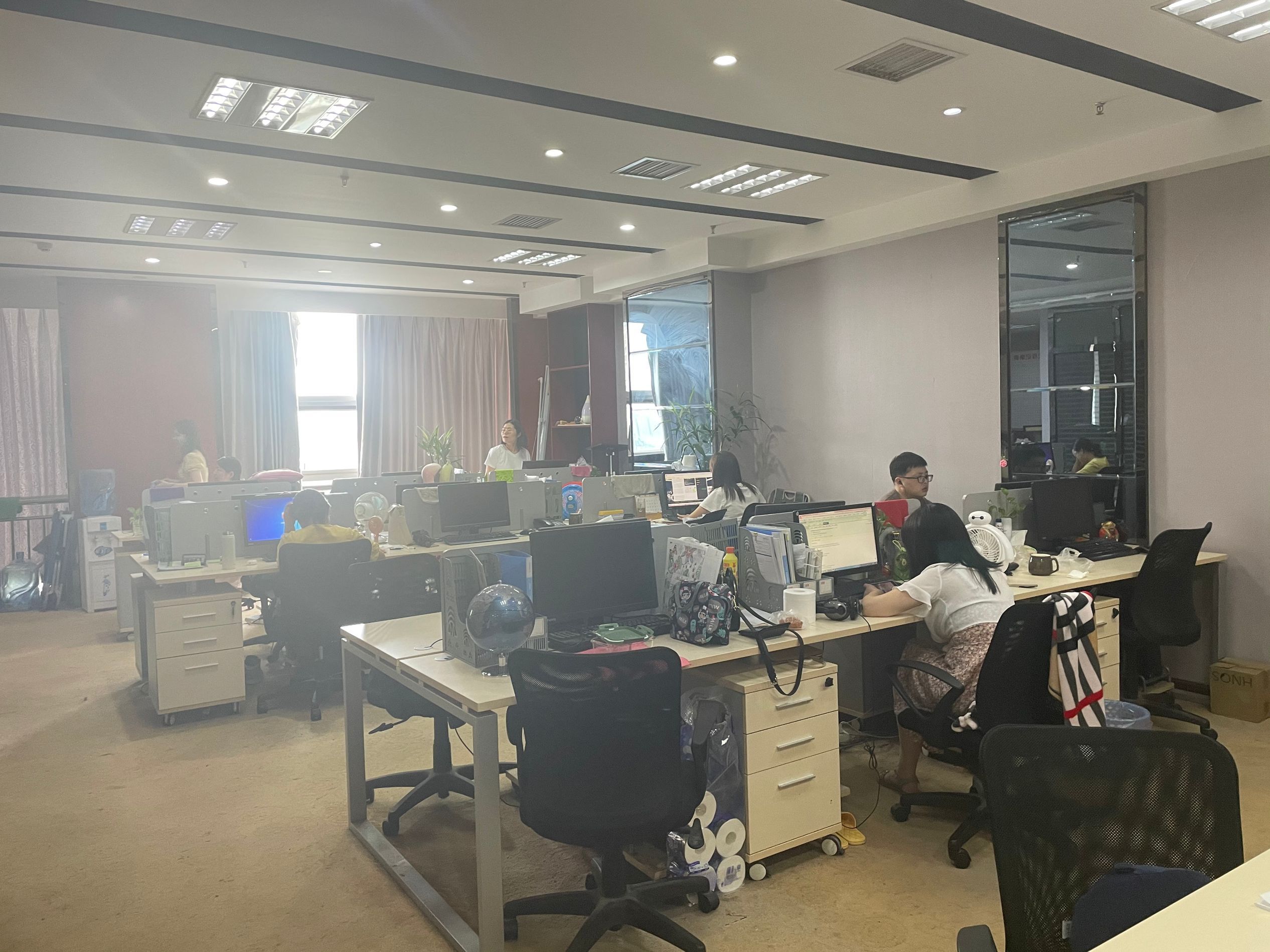
ZheJiang Dream Industry Limited has over 20 years of experience in precision manufacturing, specializing in the custom design and production of precision CNC machined parts and assemblies. Established in 2008, the company operates a 2,500 sqm factory with a dedicated team of 34 employees, including senior engineers and quality inspectors. Their turnkey manufacturing capabilities span from part design review and CNC milling to surface treatment and final inspection. The factory is ISO 9001 certified (Certificate No. ZT-Q-24120011S), holds multiple utility model patents, and has successfully served industrial machinery and marine equipment clients across Europe, America, and Southeast Asia.
REPORT