







-
 Agriculture
-
 Health-Care
-
 Environment
-
 Construction-Real-Estate
-
 Tools-Hardware
-
 Home-Garden
-
 Furniture
-
 Luggage-Bags-Cases
-
 Medical-devices-Supplies
-
 Gifts-Crafts
-
 Sports-Entertainment
-
 Food-Beverage
-
 Vehicles-Transportation
-
 Power-Transmission
-
 Material-Handling
-
 Renewable-Energy
-
 Safety
-
 Testing-Instrument-Equipment
-
 Construction-Building-Machinery
-
 Pet-Supplies
-
 Personal-Care-Household-Cleaning
-
 Vehicle-Accessories-Electronics-Tools
-
 School-Office-Supplies
-
 Packaging-Printing
-
 Mother-Kids-Toys
-
 Business-Services
-
 Commercial-Equipment-Machinery
-
 Apparel-Accessories
-
 Security
-
 Shoes-Accessories
-
 Vehicle-Parts-Accessories
-
 Jewelry-Eyewear-Watches-Accessories
-
 Lights-Lighting
-
 Fabric-Textile-Raw-Material
-
 Fabrication-Services
-
 Industrial-Machinery
-
 Consumer-Electronics
-
 Electrical-Equipment-Supplies
-
 Electronic-Components-Accessories-Telecommunications
-
 Home-Appliances
-
 Beauty
-
 Chemicals
-
 Rubber-Plastics
-
 Metals-Alloys


























































































































































































































































































































































































































































































































































































- Masonry Materials
- Curtain Walls & Accessories
- Earthwork Products
- Fireproofing Materials
- Heat Insulation Materials
- Plastic Building Materials
- Building Boards
- Soundproofing Materials
- Timber
- Waterproofing Materials
- Balustrades & Handrails
- Bathroom & Kitchen
- Flooring & Accessories
- Tiles & Accessories
- Door, Window & Accessories
- Fireplaces & Stoves
- Floor Heating Systems & Parts
- Stairs & Stair Parts
- Ceilings
- Elevators & Escalators
- Stone
- Countertops, Vanity Tops & Table Tops
- Mosaics
- Metal Building Materials
- Multifunctional Materials
- Ladders & Scaffoldings
- Mouldings
- Corner Guards
- Decorative Films
- Formwork
- Building & Industrial Glass
- Other Construction & Real Estate
- Wallpapers/Wall panels
- HVAC System & Parts
- Outdoor Facilities
- Prefabricated Buildings
- Festive & Party Supplies
- Bathroom Products
- Household Sundries
- Rain Gear
- Garden Supplies
- Household Cleaning Tools & Accessories
- Lighters & Smoking Accessories
- Home Storage & Organization
- Household Scales
- Smart Home Improvement
- Home Textiles
- Kitchenware
- Drinkware & Accessories
- Dinnerware, Coffee & Wine
- Home Decor
- Golf
- Fitness & Body Building
- Amusement Park Facilities
- Billiards, Board Game,Coin Operated Games
- Musical Instruments
- Outdoor Affordable Luxury Sports
- Camping & Hiking
- Fishing
- Sports Safety&Rehabilitation
- Ball Sports Equipments
- Water Sports
- Winter Sports
- Luxury Travel Equipments
- Sports Shoes, Bags & Accessories
- Cycling
- Other Sports & Entertainment Products
- Artificial Grass&Sports Flooring&Sports Court Equipment
- Scooters
- Food Ingredients
- Honey & Honey Products
- Snacks
- Nuts & Kernels
- Seafood
- Plant & Animal Oil
- Beverages
- Fruit & Vegetable Products
- Frog & Escargot
- Bean Products
- Egg Products
- Dairy Products
- Seasonings & Condiments
- Canned Food
- Instant Food
- Baked Goods
- Other Food & Beverage
- Meat & Poultry
- Confectionery
- Grain Products
- Feminie Care
- Hair Care & Styling
- Body Care
- Hands & Feet Care
- Hygiene Products
- Men's Grooming
- Laundry Cleaning Supplies
- Travel Size & Gift Sets
- Room Deodorizers
- Other Personal Care Products
- Pest Control Products
- Special Household Cleaning
- Floor Cleaning
- Kitchen & Bathroom Cleaning
- Oral Care
- Bath Supplies
- Yellow Pages
- Correction Supplies
- Office Binding Supplies
- Office Cutting Supplies
- Board Erasers
- Office Adhesives & Tapes
- Education Supplies
- Pencil Cases & Bags
- Notebooks & Writing Pads
- File Folder Accessories
- Calendars
- Writing Accessories
- Commercial Office Supplies
- Pencil Sharpeners
- Pens
- Letter Pad/Paper
- Paper Envelopes
- Desk Organizers
- Pencils
- Markers & Highlighters
- Filing Products
- Art Supplies
- Easels
- Badge Holder & Accessories
- Office Paper
- Printer Supplies
- Book Covers
- Other Office & School Supplies
- Stationery Set
- Boards
- Clipboards
- Stamps
- Drafting Supplies
- Stencils
- Electronic Dictionary
- Books
- Map
- Magazines
- Calculators
- Baby & Toddler Toys
- Educational Toys
- Classic Toys
- Dress Up & Pretend Play
- Toy Vehicle
- Stuffed Animals & Plush Toys
- Outdoor Toys & Structures
- Balloons & Accessories
- Baby Food
- Children's Clothing
- Baby Supplies & Products
- Maternity Clothes
- Kids Shoes
- Baby Care
- Novelty & Gag Toys
- Dolls & Accessories
- Puzzle & Games
- Blocks & Model Building Toys
- Toddler Clothing
- Baby Clothing
- Kids' Luggage & Bags
- Arts, Crafts & DIY Toys
- Action & Toy Figures
- Baby Appliances
- Hobbies & Models
- Remote Control Toys
- Promotional Toys
- Pregnancy & Maternity
- Hygiene Products
- Kid's Textile&Bedding
- Novelty & Special Use
- Toy Weapons
- Baby Gifts
- Baby Storage & Organization
- Auto Drive Systems
- ATV/UTV Parts & Accessories
- Marine Parts & Accessories
- Other Auto Parts
- Trailer Parts & Accessories
- Auto Transmission Systems
- Train Parts & Accessories
- Universal Parts
- Railway Parts & Accessories
- Auto Brake Systems
- Aviation Parts & Accessories
- Truck Parts & Accessories
- Auto Suspension Systems
- Auto Lighting Systems
- New Energy Vehicle Parts & Accessories
- Auto Steering Systems
- Wheels, Tires & Accessories
- Bus Parts & Accessories
- Auto Performance Parts
- Cooling System
- Go-Kart & Kart Racer Parts & Accessories
- Air Conditioning Systems
- Heavy Duty Vehicle Parts & Accessories
- Auto Electrical Systems
- Auto Body Systems
- Auto Engine Systems
- Container Parts & Accessories
- Motorcycle Parts & Accessories
- Refrigeration & Heat Exchange Equipment
- Machine Tool Equipment
- Food & Beverage Machinery
- Agricultural Machinery & Equipment
- Apparel & Textile Machinery
- Chemical Machinery
- Packaging Machines
- Paper Production Machinery
- Plastic & Rubber Processing Machinery
- Industrial Robots
- Electronic Products Machinery
- Metal & Metallurgy Machinery
- Woodworking Machinery
- Home Product Manufacturing Machinery
- Machinery Accessories
- Environmental Machinery
- Machinery Service
- Electrical Equipment Manufacturing Machinery
- Industrial Compressors & Parts
- Tobacco & Cigarette Machinery
- Production Line
- Used Industrial Machinery
- Electronics Production Machinery
- Other Machinery & Industrial Equipment
- Camera, Photo & Accessories
- Portable Audio, Video & Accessories
- Television, Home Audio, Video & Accessories
- Video Games & Accessories
- Mobile Phone & Accessories
- Electronic Publications
- Earphone & Headphone & Accessories
- Speakers & Accessories
- Smart Electronics
- TV Receivers & Accessories
- Mobile Phone & Computer Repair Parts
- Chargers, Batteries & Power Supplies
- Used Electronics
- VR, AR, MR Hardware & Software
- Projectors & Presentation Equipments
- Other Consumer Electronics
- Cables & Commonly Used Accessories
- Computer Hardware & Software
- Displays, Signage and Optoelectronics
- Discrete Semiconductors
- Wireless & IoT Module and Products
- Telecommunications
- Connectors, Terminals & Accessories
- Development Boards, Electronic Modules and Kits
- Circuit Protection
- Sensors
- Isolators
- Audio Components and Products
- Integrated Circuits
- Power Supplies
- Relays
- RF, Microwave and RFID
- Electronic Accessories & Supplies
- Passive Components
- PCB & PCBA
- Air Quality Appliances
- Home Appliance Parts
- Heating & Cooling Appliances
- Small Kitchen Appliances
- Laundry Appliances
- Water Heaters
- Water Treatment Appliances
- Refrigerators & Freezers
- Personal Care & Beauty Appliances
- Major Kitchen Appliances
- Cleaning Appliances
- Second-hand Appliances
- Smart Home Appliances
- Other Home Appliances
- Energy Chemicals
- Inorganic Chemicals
- Basic Organic Chemicals
- Agrochemicals
- Admixture & Additives
- Catalysts & Chemical Auxiliary Agents
- Pigments & Dyestuff
- Coating & Paint
- Daily Chemicals
- Polymer
- Organic Intermediate
- Adhesives & Sealants
- Chemical Waste
- Biological Chemical Products
- Surface Treatment Chemicals
- Painting & Coating
- Chemical Reagents
- Flavor & Fragrance
- Non-Explosive Demolition Agents
- Other Chemicals
- Custom Chemical Services

Why Custom Sock Manufacturers Offer Replacements Instead of Refunds for Defective Orders
If you have ever received a shipment of defective or misprinted novelty socks, you might wonder why suppliers usually provide replacement pairs instead of cash refunds. In the custom hosiery industry, remanufacturing flawed inventory is the standard procedure to protect client order fulfillment while avoiding inventory disruptions.
Why Manufacturers Prioritize Replacements Over Cash Refunds
Custom sock manufacturing operates on specialized specifications, including tailored yarn blends, exact Pantone matching, and custom jacquard patterns. When production issues occur—such as minor pattern misprints, sizing discrepancies, or stitching faults—returning custom products for a monetary refund creates logistical friction for both parties. Instead, re-running the production line ensures buyers receive their full order quantity without compromising their commercial schedules or promotional events.
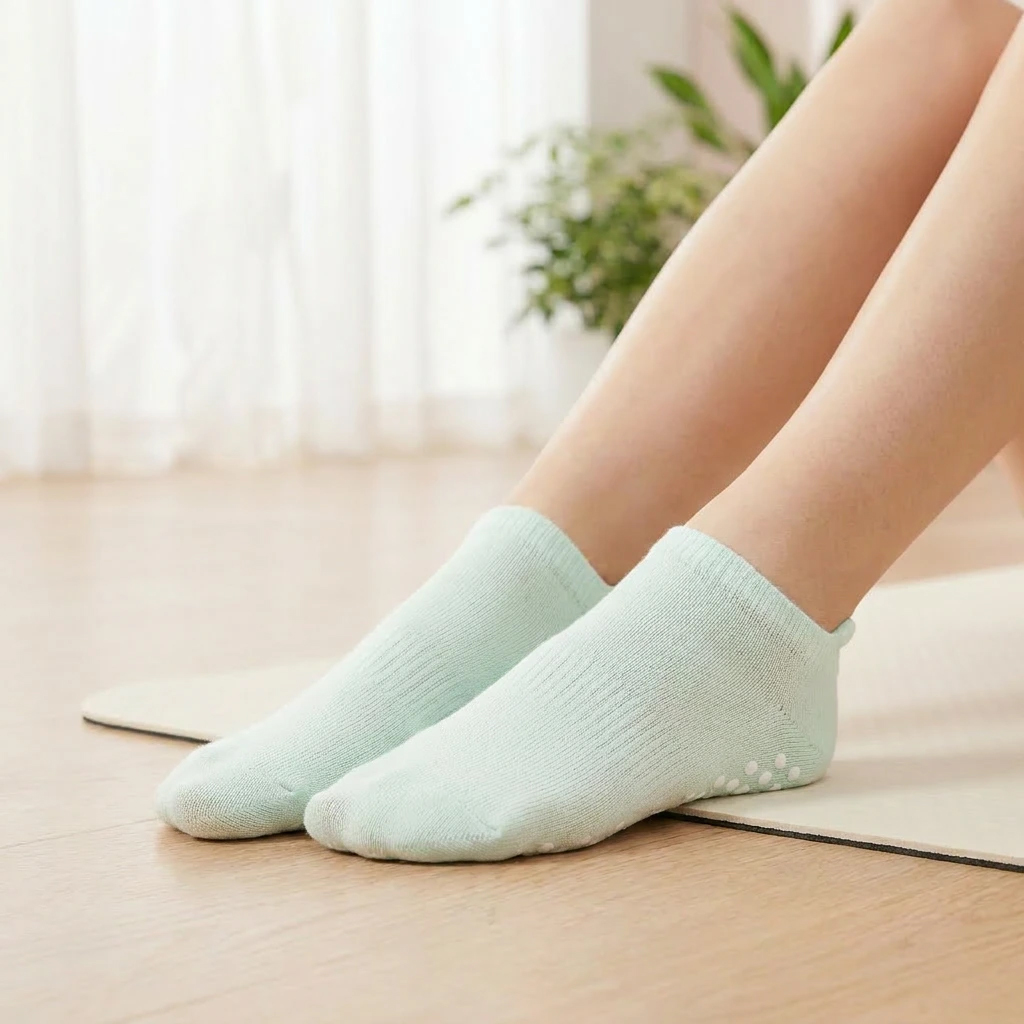
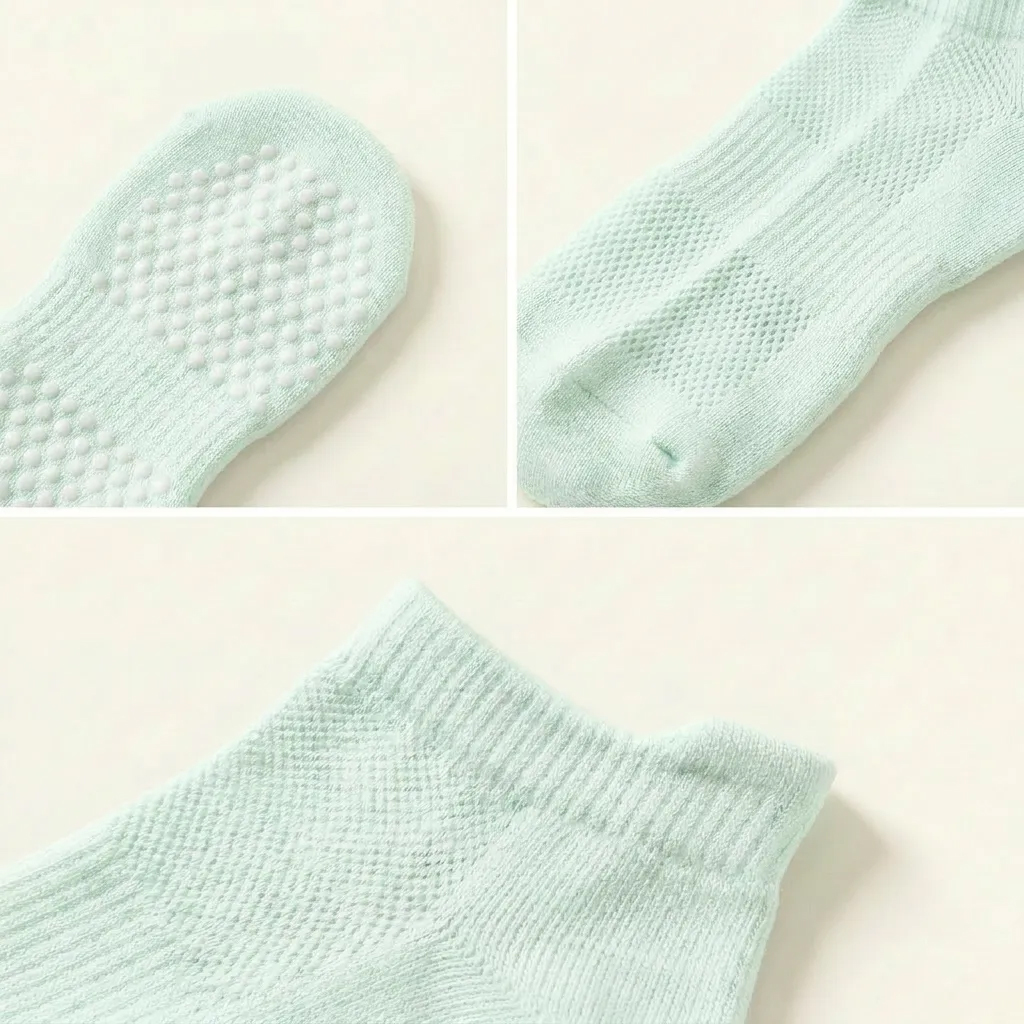
High-precision equipment like 360° seamless heat transfer printing machines and computerized high-speed jacquard systems require precise calibration. Minor fluctuations in yarn tension or dyeing batches can occasionally lead to small defect rates. To ensure product longevity and consistency across applications like athletic wear, yoga studios, and corporate merchandise, certified factories reproduce items using strict material ratios, typically comprising 80% combed cotton, 17% nylon, and 3% spandex.
Quality Protocols and Compliance Standards
Top-tier sock producers maintain rigorous quality assurance measures to minimize defect rates before shipment. Implementing 100% manual quality inspections enables factories to identify dimensional variations or structural defects early. Furthermore, adherence to global standards safeguards material safety and durability across all production runs.
Leading factories comply with internationally recognized certifications, such as Oeko-Tex 100 (Certificate 26.HCN.34091) for skin-safe textiles and BSCI (Audit 25-0339304) for responsible manufacturing. When non-conforming goods are detected, these framework guidelines govern swift corrective actions, enabling agile suppliers to respond within 24 hours and complete fast-track remanufacturing or sampling in just 3 to 7 days.
Key Takeaways for B2B Sock Procurement
- Industry Standard Resolution: Free remake or direct replacement is the default resolution to maintain full inventory availability for client campaigns.
- Thorough Inspection Routines: Manual 100% pre-dispatch checks lower defect ratios in corporate, sports, and fashion retail lines.
- Agile Supply Mechanisms: Rapid 24-hour response times combined with 3–7 day prototyping protocols prevent retail launch delays.
- Certified Material Integrity: BSCI auditing and Oeko-Tex 100 compliance guarantee reliable quality and structural resilience.
Comparing After-Sales Resolution Options
The table below summarizes standard contractual remedies used in bulk hosiery manufacturing when quality or order variations occur.
| Resolution Strategy | Ideal Application Scenario | Response & Turnaround Time | Impact on Buyer Inventory | Supplier Support Commitment |
|---|---|---|---|---|
| Item Replacement / Remake | Stitching defects, design misprints, structural flaws | 24-Hour initial response; rapid re-production | 100% order commitment fulfilled | Up to 100% free reproduction or replacement |
| Direct Cash Refund | Order cancellation prior to yarn knitting step | Standard accounting credit timeline | No inventory delivered | Refund minus initial deposit terms per contract |
| Credit Adjustment | Minor aesthetic variation or negligible defect count | Applied immediately to upcoming invoice | Defects retained for alternate distribution | Account credit applied to future custom runs |
Frequently Asked Questions
Q1: Why is replacement preferred over refunding money for customized socks?
Because custom socks are manufactured to custom brand specifications, refunding leaves clients without inventory. Remanufacturing guarantees clients obtain the exact stock needed for sales or promotional events.
Q2: How long does it take to receive remanufactured replacement socks?
Top manufacturers acknowledge claims within 24 hours. Fast-track sampling or reproduction takes approximately 3 to 7 days, followed by priority shipping.
Q3: What role do Oeko-Tex and BSCI certifications play in quality disputes?
These international standards mandate systematic quality control and transparent dispute mechanisms, ensuring suppliers resolve defect issues under strict compliance protocols.
Summary and Partnering Guidance
Accepting replacements for defective novelty or custom socks is a standard and effective way to secure batch completeness and maintain supply chain reliability. Before placing bulk orders, buyers should confirm supplier policies regarding manual quality checks, claim response times, and replacement terms. To discuss technical specifications or request support, contact us at happygu@cnleyoyo.com.
About Our Manufacturing Capabilities
Yiwu Genke Apparel Co., Ltd. operates a modern 1,200 square meter facility established in 2016, supported by 89 skilled workers dedicated to custom hosiery production. With over 200 high-speed computerized jacquard and seamless printing machines, the company boasts an annual output of 12 million pairs. Operating under BSCI and Oeko-Tex 100 standards, 91% of production is exported to the US, Europe, and Australia, serving boutique fitness brands, corporate partners, and fashion retailers worldwide.
REPORT