







-
 Agriculture
-
 Health-Care
-
 Environment
-
 Construction-Real-Estate
-
 Tools-Hardware
-
 Home-Garden
-
 Furniture
-
 Luggage-Bags-Cases
-
 Medical-devices-Supplies
-
 Gifts-Crafts
-
 Sports-Entertainment
-
 Food-Beverage
-
 Vehicles-Transportation
-
 Power-Transmission
-
 Material-Handling
-
 Renewable-Energy
-
 Safety
-
 Testing-Instrument-Equipment
-
 Construction-Building-Machinery
-
 Pet-Supplies
-
 Personal-Care-Household-Cleaning
-
 Vehicle-Accessories-Electronics-Tools
-
 School-Office-Supplies
-
 Packaging-Printing
-
 Mother-Kids-Toys
-
 Business-Services
-
 Commercial-Equipment-Machinery
-
 Apparel-Accessories
-
 Security
-
 Shoes-Accessories
-
 Vehicle-Parts-Accessories
-
 Jewelry-Eyewear-Watches-Accessories
-
 Lights-Lighting
-
 Fabric-Textile-Raw-Material
-
 Fabrication-Services
-
 Industrial-Machinery
-
 Consumer-Electronics
-
 Electrical-Equipment-Supplies
-
 Electronic-Components-Accessories-Telecommunications
-
 Home-Appliances
-
 Beauty
-
 Chemicals
-
 Rubber-Plastics
-
 Metals-Alloys


























































































































































































































































































































































































































































































































































































- Masonry Materials
- Curtain Walls & Accessories
- Earthwork Products
- Fireproofing Materials
- Heat Insulation Materials
- Plastic Building Materials
- Building Boards
- Soundproofing Materials
- Timber
- Waterproofing Materials
- Balustrades & Handrails
- Bathroom & Kitchen
- Flooring & Accessories
- Tiles & Accessories
- Door, Window & Accessories
- Fireplaces & Stoves
- Floor Heating Systems & Parts
- Stairs & Stair Parts
- Ceilings
- Elevators & Escalators
- Stone
- Countertops, Vanity Tops & Table Tops
- Mosaics
- Metal Building Materials
- Multifunctional Materials
- Ladders & Scaffoldings
- Mouldings
- Corner Guards
- Decorative Films
- Formwork
- Building & Industrial Glass
- Other Construction & Real Estate
- Wallpapers/Wall panels
- HVAC System & Parts
- Outdoor Facilities
- Prefabricated Buildings
- Festive & Party Supplies
- Bathroom Products
- Household Sundries
- Rain Gear
- Garden Supplies
- Household Cleaning Tools & Accessories
- Lighters & Smoking Accessories
- Home Storage & Organization
- Household Scales
- Smart Home Improvement
- Home Textiles
- Kitchenware
- Drinkware & Accessories
- Dinnerware, Coffee & Wine
- Home Decor
- Golf
- Fitness & Body Building
- Amusement Park Facilities
- Billiards, Board Game,Coin Operated Games
- Musical Instruments
- Outdoor Affordable Luxury Sports
- Camping & Hiking
- Fishing
- Sports Safety&Rehabilitation
- Ball Sports Equipments
- Water Sports
- Winter Sports
- Luxury Travel Equipments
- Sports Shoes, Bags & Accessories
- Cycling
- Other Sports & Entertainment Products
- Artificial Grass&Sports Flooring&Sports Court Equipment
- Scooters
- Food Ingredients
- Honey & Honey Products
- Snacks
- Nuts & Kernels
- Seafood
- Plant & Animal Oil
- Beverages
- Fruit & Vegetable Products
- Frog & Escargot
- Bean Products
- Egg Products
- Dairy Products
- Seasonings & Condiments
- Canned Food
- Instant Food
- Baked Goods
- Other Food & Beverage
- Meat & Poultry
- Confectionery
- Grain Products
- Feminie Care
- Hair Care & Styling
- Body Care
- Hands & Feet Care
- Hygiene Products
- Men's Grooming
- Laundry Cleaning Supplies
- Travel Size & Gift Sets
- Room Deodorizers
- Other Personal Care Products
- Pest Control Products
- Special Household Cleaning
- Floor Cleaning
- Kitchen & Bathroom Cleaning
- Oral Care
- Bath Supplies
- Yellow Pages
- Correction Supplies
- Office Binding Supplies
- Office Cutting Supplies
- Board Erasers
- Office Adhesives & Tapes
- Education Supplies
- Pencil Cases & Bags
- Notebooks & Writing Pads
- File Folder Accessories
- Calendars
- Writing Accessories
- Commercial Office Supplies
- Pencil Sharpeners
- Pens
- Letter Pad/Paper
- Paper Envelopes
- Desk Organizers
- Pencils
- Markers & Highlighters
- Filing Products
- Art Supplies
- Easels
- Badge Holder & Accessories
- Office Paper
- Printer Supplies
- Book Covers
- Other Office & School Supplies
- Stationery Set
- Boards
- Clipboards
- Stamps
- Drafting Supplies
- Stencils
- Electronic Dictionary
- Books
- Map
- Magazines
- Calculators
- Baby & Toddler Toys
- Educational Toys
- Classic Toys
- Dress Up & Pretend Play
- Toy Vehicle
- Stuffed Animals & Plush Toys
- Outdoor Toys & Structures
- Balloons & Accessories
- Baby Food
- Children's Clothing
- Baby Supplies & Products
- Maternity Clothes
- Kids Shoes
- Baby Care
- Novelty & Gag Toys
- Dolls & Accessories
- Puzzle & Games
- Blocks & Model Building Toys
- Toddler Clothing
- Baby Clothing
- Kids' Luggage & Bags
- Arts, Crafts & DIY Toys
- Action & Toy Figures
- Baby Appliances
- Hobbies & Models
- Remote Control Toys
- Promotional Toys
- Pregnancy & Maternity
- Hygiene Products
- Kid's Textile&Bedding
- Novelty & Special Use
- Toy Weapons
- Baby Gifts
- Baby Storage & Organization
- Auto Drive Systems
- ATV/UTV Parts & Accessories
- Marine Parts & Accessories
- Other Auto Parts
- Trailer Parts & Accessories
- Auto Transmission Systems
- Train Parts & Accessories
- Universal Parts
- Railway Parts & Accessories
- Auto Brake Systems
- Aviation Parts & Accessories
- Truck Parts & Accessories
- Auto Suspension Systems
- Auto Lighting Systems
- New Energy Vehicle Parts & Accessories
- Auto Steering Systems
- Wheels, Tires & Accessories
- Bus Parts & Accessories
- Auto Performance Parts
- Cooling System
- Go-Kart & Kart Racer Parts & Accessories
- Air Conditioning Systems
- Heavy Duty Vehicle Parts & Accessories
- Auto Electrical Systems
- Auto Body Systems
- Auto Engine Systems
- Container Parts & Accessories
- Motorcycle Parts & Accessories
- Refrigeration & Heat Exchange Equipment
- Machine Tool Equipment
- Food & Beverage Machinery
- Agricultural Machinery & Equipment
- Apparel & Textile Machinery
- Chemical Machinery
- Packaging Machines
- Paper Production Machinery
- Plastic & Rubber Processing Machinery
- Industrial Robots
- Electronic Products Machinery
- Metal & Metallurgy Machinery
- Woodworking Machinery
- Home Product Manufacturing Machinery
- Machinery Accessories
- Environmental Machinery
- Machinery Service
- Electrical Equipment Manufacturing Machinery
- Industrial Compressors & Parts
- Tobacco & Cigarette Machinery
- Production Line
- Used Industrial Machinery
- Electronics Production Machinery
- Other Machinery & Industrial Equipment
- Camera, Photo & Accessories
- Portable Audio, Video & Accessories
- Television, Home Audio, Video & Accessories
- Video Games & Accessories
- Mobile Phone & Accessories
- Electronic Publications
- Earphone & Headphone & Accessories
- Speakers & Accessories
- Smart Electronics
- TV Receivers & Accessories
- Mobile Phone & Computer Repair Parts
- Chargers, Batteries & Power Supplies
- Used Electronics
- VR, AR, MR Hardware & Software
- Projectors & Presentation Equipments
- Other Consumer Electronics
- Cables & Commonly Used Accessories
- Computer Hardware & Software
- Displays, Signage and Optoelectronics
- Discrete Semiconductors
- Wireless & IoT Module and Products
- Telecommunications
- Connectors, Terminals & Accessories
- Development Boards, Electronic Modules and Kits
- Circuit Protection
- Sensors
- Isolators
- Audio Components and Products
- Integrated Circuits
- Power Supplies
- Relays
- RF, Microwave and RFID
- Electronic Accessories & Supplies
- Passive Components
- PCB & PCBA
- Air Quality Appliances
- Home Appliance Parts
- Heating & Cooling Appliances
- Small Kitchen Appliances
- Laundry Appliances
- Water Heaters
- Water Treatment Appliances
- Refrigerators & Freezers
- Personal Care & Beauty Appliances
- Major Kitchen Appliances
- Cleaning Appliances
- Second-hand Appliances
- Smart Home Appliances
- Other Home Appliances
- Energy Chemicals
- Inorganic Chemicals
- Basic Organic Chemicals
- Agrochemicals
- Admixture & Additives
- Catalysts & Chemical Auxiliary Agents
- Pigments & Dyestuff
- Coating & Paint
- Daily Chemicals
- Polymer
- Organic Intermediate
- Adhesives & Sealants
- Chemical Waste
- Biological Chemical Products
- Surface Treatment Chemicals
- Painting & Coating
- Chemical Reagents
- Flavor & Fragrance
- Non-Explosive Demolition Agents
- Other Chemicals
- Custom Chemical Services

Why Palletized Shipping Protects Bulk Swivel Heated Towel Rack Shipments: Logistics & Structural Guide
Understanding Transit Risks: Why Swivel Mechanisms Need Rigid Protection
While international shipping regulations do not legally mandate palletization for bulk exports of swivel heated towel racks, logistics experts strongly advocate for it—especially in Less-than-Container Load (LCL) and multi-modal transport scenarios. Swivel heated towel racks rely on precision-engineered rotating joints and integrated heating elements. When floor-stacked loose inside containers, bottom-tier cartons endure severe dynamic compression and shifting forces throughout maritime transit. Over extended sea voyages, lateral friction and uneven weight distribution distort hinge alignments, leading to stiff mechanical movement or thermal seal breaches prior to installation.
By unifying cartons onto standardized pallets with edge protectors and protective stretch wrap, export shipments transform into rigid, stable freight blocks. This setup absorbs transit vibrations, maintains vertical integrity, and shields delicate internal components from lateral impacts caused by adjacent cargo.
Key Logistics Takeaways for B2B Importers
- Hinged Mechanism Preservation: Rigid upright positioning suppresses vertical deformation, safeguarding internal rotating assemblies against vibration-induced displacement.
- Seamless Port Operations: Utilizing ISPM-15 heat-treated wood or plastic pallets accelerates loading and transfer at major export hubs including Foshan, Guangzhou, and Shenzhen ports.
- Project Schedule Compliance: Commercial hospitality and residential builds demand flawless, arrival-ready shipments to eliminate expensive site delays and replacement downtime.
- Factory Quality Continuation: Palletization acts as the final protective barrier, preserving the standards verified during 14 strict factory quality control checkpoints.
Comparative Performance: Palletized Freight vs. Loose Container Loading
Importers organizing Full Container Load (FCL) transit sometimes request loose floor loading to maximize volumetric capacity. However, for LCL or transshipment routes involving multiple handling stations, loose packing dramatically increases handling hazards. Practical case studies illustrate the protective benefits of palletization: high-volume consignments like the Warsaw Chain Hotel Renovation (260 wall-mounted units) and the Sydney Senior Care Center Project (130 constant-temperature units) arrived with a 100% zero-defect rate due to standardized palletized logistics.
| Shipping Parameter | Palletized Bulk Logistics | Unpalletized Loose Loading |
|---|---|---|
| Rotating Joint Safeguard | Optimal (Cartons immobilized with stretch wrap) | Substantial Risk (Carton crushing and axis twisting) |
| Container Space Utilization | 85% – 90% | 95% – 98% |
| Destination Unloading Duration | 30 – 45 min (Forklift driven) | 3 – 5 hours (Manual labor intensive) |
| Recommended Transit Route | LCL, Multimodal & Transshipment FCL | Direct Point-to-Point FCL Only |
| Recorded Damage Rate | Under 0.1% | Up to 3.5% (Escalates with transshipment stops) |

Frequently Asked Questions
Which pallet standards are ideal for exporting heated towel racks?
Standard 1200x1000mm or 1200x800mm plastic pallets or ISPM-15 heat-treated wooden pallets are recommended. These footprints seamlessly align with standard ocean container dimensions, eliminating carton overhang.
Does pallet wrapping impact OEM/ODM manufacturing timelines?
Pallet packaging adds under 24 hours to factory dispatch routines. General OEM mass production spans 20 to 45 days, whereas sample requests are completed within 3 to 7 days.
What payment terms and freight methods apply to palletized shipments?
Bulk orders are commonly structured under T/T (30% deposit with 70% paid against Bill of Lading copy) or Sight L/C. Shipments originate from Foshan, Guangzhou, or Shenzhen ports via Ocean Freight (FCL/LCL), Air Freight, or Multimodal routes.
Strategic Recommendations & Summary
Although unpalletized floor loading gains up to 10% more container volume, palletization remains indispensable for LCL shipments, complex transshipment routes, and tight commercial project schedules. Securing bulk swivel towel warmers on rigid pallets protects hinge integrity, slashes unloading labor costs, and practically eliminates shipping damage. Supported by a 2-Year Warranty, 14 QC inspection checkpoints, and prompt replacement policies for transit issues, palletized logistics safeguards product reliability across North American, European, Middle Eastern, and Southeast Asian markets. For specialized logistical support, contact charlene@seosodo.com.
About the Manufacturer
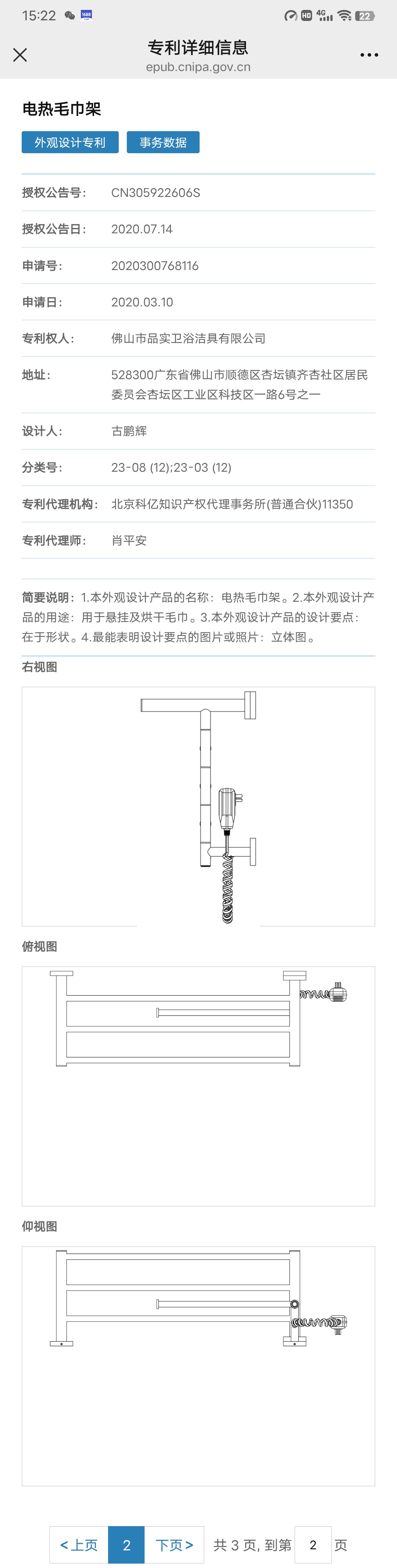
Founded in 2014, Foshan Pinshi Sanitary Ware Co., Ltd. (ODO Sanitaryware) operates a 20,000-square-meter facility in Foshan equipped with 20 production lines and over 200 advanced machinery setups. Backed by 200 staff members and a dedicated 20-person R&D division, ODO maintains a monthly output of 100,000 units, exporting 80% of production globally. Holding over 50 patents—including utility model patent #16423119 for swivel rotating electric heated towel racks—and CE safety approvals, ODO enforces strict ISO9001-certified 14-step QC management. ODO provides specialized OEM/ODM production and project solutions for global hotel chains, residential contractors, and sanitary distributors.

REPORT