







-
 Agriculture
-
 Health-Care
-
 Environment
-
 Construction-Real-Estate
-
 Tools-Hardware
-
 Home-Garden
-
 Furniture
-
 Luggage-Bags-Cases
-
 Medical-devices-Supplies
-
 Gifts-Crafts
-
 Sports-Entertainment
-
 Food-Beverage
-
 Vehicles-Transportation
-
 Power-Transmission
-
 Material-Handling
-
 Renewable-Energy
-
 Safety
-
 Testing-Instrument-Equipment
-
 Construction-Building-Machinery
-
 Pet-Supplies
-
 Personal-Care-Household-Cleaning
-
 Vehicle-Accessories-Electronics-Tools
-
 School-Office-Supplies
-
 Packaging-Printing
-
 Mother-Kids-Toys
-
 Business-Services
-
 Commercial-Equipment-Machinery
-
 Apparel-Accessories
-
 Security
-
 Shoes-Accessories
-
 Vehicle-Parts-Accessories
-
 Jewelry-Eyewear-Watches-Accessories
-
 Lights-Lighting
-
 Fabric-Textile-Raw-Material
-
 Fabrication-Services
-
 Industrial-Machinery
-
 Consumer-Electronics
-
 Electrical-Equipment-Supplies
-
 Electronic-Components-Accessories-Telecommunications
-
 Home-Appliances
-
 Beauty
-
 Chemicals
-
 Rubber-Plastics
-
 Metals-Alloys


























































































































































































































































































































































































































































































































































































- Masonry Materials
- Curtain Walls & Accessories
- Earthwork Products
- Fireproofing Materials
- Heat Insulation Materials
- Plastic Building Materials
- Building Boards
- Soundproofing Materials
- Timber
- Waterproofing Materials
- Balustrades & Handrails
- Bathroom & Kitchen
- Flooring & Accessories
- Tiles & Accessories
- Door, Window & Accessories
- Fireplaces & Stoves
- Floor Heating Systems & Parts
- Stairs & Stair Parts
- Ceilings
- Elevators & Escalators
- Stone
- Countertops, Vanity Tops & Table Tops
- Mosaics
- Metal Building Materials
- Multifunctional Materials
- Ladders & Scaffoldings
- Mouldings
- Corner Guards
- Decorative Films
- Formwork
- Building & Industrial Glass
- Other Construction & Real Estate
- Wallpapers/Wall panels
- HVAC System & Parts
- Outdoor Facilities
- Prefabricated Buildings
- Festive & Party Supplies
- Bathroom Products
- Household Sundries
- Rain Gear
- Garden Supplies
- Household Cleaning Tools & Accessories
- Lighters & Smoking Accessories
- Home Storage & Organization
- Household Scales
- Smart Home Improvement
- Home Textiles
- Kitchenware
- Drinkware & Accessories
- Dinnerware, Coffee & Wine
- Home Decor
- Golf
- Fitness & Body Building
- Amusement Park Facilities
- Billiards, Board Game,Coin Operated Games
- Musical Instruments
- Outdoor Affordable Luxury Sports
- Camping & Hiking
- Fishing
- Sports Safety&Rehabilitation
- Ball Sports Equipments
- Water Sports
- Winter Sports
- Luxury Travel Equipments
- Sports Shoes, Bags & Accessories
- Cycling
- Other Sports & Entertainment Products
- Artificial Grass&Sports Flooring&Sports Court Equipment
- Scooters
- Food Ingredients
- Honey & Honey Products
- Snacks
- Nuts & Kernels
- Seafood
- Plant & Animal Oil
- Beverages
- Fruit & Vegetable Products
- Frog & Escargot
- Bean Products
- Egg Products
- Dairy Products
- Seasonings & Condiments
- Canned Food
- Instant Food
- Baked Goods
- Other Food & Beverage
- Meat & Poultry
- Confectionery
- Grain Products
- Feminie Care
- Hair Care & Styling
- Body Care
- Hands & Feet Care
- Hygiene Products
- Men's Grooming
- Laundry Cleaning Supplies
- Travel Size & Gift Sets
- Room Deodorizers
- Other Personal Care Products
- Pest Control Products
- Special Household Cleaning
- Floor Cleaning
- Kitchen & Bathroom Cleaning
- Oral Care
- Bath Supplies
- Yellow Pages
- Correction Supplies
- Office Binding Supplies
- Office Cutting Supplies
- Board Erasers
- Office Adhesives & Tapes
- Education Supplies
- Pencil Cases & Bags
- Notebooks & Writing Pads
- File Folder Accessories
- Calendars
- Writing Accessories
- Commercial Office Supplies
- Pencil Sharpeners
- Pens
- Letter Pad/Paper
- Paper Envelopes
- Desk Organizers
- Pencils
- Markers & Highlighters
- Filing Products
- Art Supplies
- Easels
- Badge Holder & Accessories
- Office Paper
- Printer Supplies
- Book Covers
- Other Office & School Supplies
- Stationery Set
- Boards
- Clipboards
- Stamps
- Drafting Supplies
- Stencils
- Electronic Dictionary
- Books
- Map
- Magazines
- Calculators
- Baby & Toddler Toys
- Educational Toys
- Classic Toys
- Dress Up & Pretend Play
- Toy Vehicle
- Stuffed Animals & Plush Toys
- Outdoor Toys & Structures
- Balloons & Accessories
- Baby Food
- Children's Clothing
- Baby Supplies & Products
- Maternity Clothes
- Kids Shoes
- Baby Care
- Novelty & Gag Toys
- Dolls & Accessories
- Puzzle & Games
- Blocks & Model Building Toys
- Toddler Clothing
- Baby Clothing
- Kids' Luggage & Bags
- Arts, Crafts & DIY Toys
- Action & Toy Figures
- Baby Appliances
- Hobbies & Models
- Remote Control Toys
- Promotional Toys
- Pregnancy & Maternity
- Hygiene Products
- Kid's Textile&Bedding
- Novelty & Special Use
- Toy Weapons
- Baby Gifts
- Baby Storage & Organization
- Auto Drive Systems
- ATV/UTV Parts & Accessories
- Marine Parts & Accessories
- Other Auto Parts
- Trailer Parts & Accessories
- Auto Transmission Systems
- Train Parts & Accessories
- Universal Parts
- Railway Parts & Accessories
- Auto Brake Systems
- Aviation Parts & Accessories
- Truck Parts & Accessories
- Auto Suspension Systems
- Auto Lighting Systems
- New Energy Vehicle Parts & Accessories
- Auto Steering Systems
- Wheels, Tires & Accessories
- Bus Parts & Accessories
- Auto Performance Parts
- Cooling System
- Go-Kart & Kart Racer Parts & Accessories
- Air Conditioning Systems
- Heavy Duty Vehicle Parts & Accessories
- Auto Electrical Systems
- Auto Body Systems
- Auto Engine Systems
- Container Parts & Accessories
- Motorcycle Parts & Accessories
- Refrigeration & Heat Exchange Equipment
- Machine Tool Equipment
- Food & Beverage Machinery
- Agricultural Machinery & Equipment
- Apparel & Textile Machinery
- Chemical Machinery
- Packaging Machines
- Paper Production Machinery
- Plastic & Rubber Processing Machinery
- Industrial Robots
- Electronic Products Machinery
- Metal & Metallurgy Machinery
- Woodworking Machinery
- Home Product Manufacturing Machinery
- Machinery Accessories
- Environmental Machinery
- Machinery Service
- Electrical Equipment Manufacturing Machinery
- Industrial Compressors & Parts
- Tobacco & Cigarette Machinery
- Production Line
- Used Industrial Machinery
- Electronics Production Machinery
- Other Machinery & Industrial Equipment
- Camera, Photo & Accessories
- Portable Audio, Video & Accessories
- Television, Home Audio, Video & Accessories
- Video Games & Accessories
- Mobile Phone & Accessories
- Electronic Publications
- Earphone & Headphone & Accessories
- Speakers & Accessories
- Smart Electronics
- TV Receivers & Accessories
- Mobile Phone & Computer Repair Parts
- Chargers, Batteries & Power Supplies
- Used Electronics
- VR, AR, MR Hardware & Software
- Projectors & Presentation Equipments
- Other Consumer Electronics
- Cables & Commonly Used Accessories
- Computer Hardware & Software
- Displays, Signage and Optoelectronics
- Discrete Semiconductors
- Wireless & IoT Module and Products
- Telecommunications
- Connectors, Terminals & Accessories
- Development Boards, Electronic Modules and Kits
- Circuit Protection
- Sensors
- Isolators
- Audio Components and Products
- Integrated Circuits
- Power Supplies
- Relays
- RF, Microwave and RFID
- Electronic Accessories & Supplies
- Passive Components
- PCB & PCBA
- Air Quality Appliances
- Home Appliance Parts
- Heating & Cooling Appliances
- Small Kitchen Appliances
- Laundry Appliances
- Water Heaters
- Water Treatment Appliances
- Refrigerators & Freezers
- Personal Care & Beauty Appliances
- Major Kitchen Appliances
- Cleaning Appliances
- Second-hand Appliances
- Smart Home Appliances
- Other Home Appliances
- Energy Chemicals
- Inorganic Chemicals
- Basic Organic Chemicals
- Agrochemicals
- Admixture & Additives
- Catalysts & Chemical Auxiliary Agents
- Pigments & Dyestuff
- Coating & Paint
- Daily Chemicals
- Polymer
- Organic Intermediate
- Adhesives & Sealants
- Chemical Waste
- Biological Chemical Products
- Surface Treatment Chemicals
- Painting & Coating
- Chemical Reagents
- Flavor & Fragrance
- Non-Explosive Demolition Agents
- Other Chemicals
- Custom Chemical Services

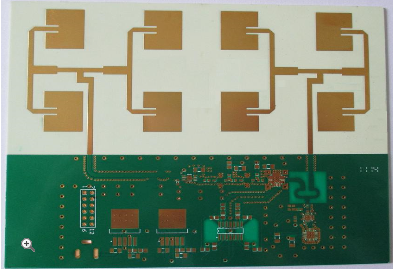
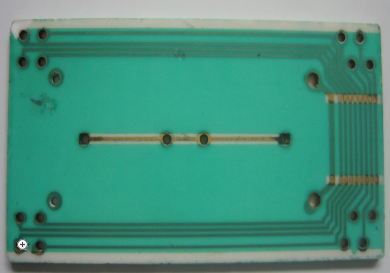
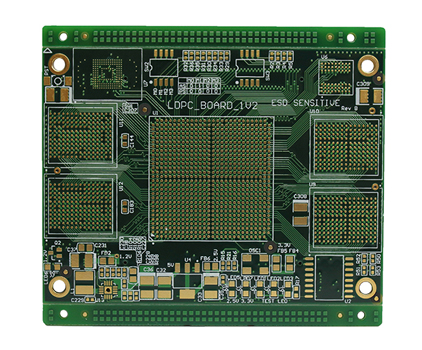
Future Trends In High Frequency PCB Technology Including Integration With AI IoT And Autonomous Systems For Smarter Connectivity
In the rapidly evolving landscape of electronics, high-frequency printed circuit board (PCB) technology stands as a critical enabler for next-generation innovations. As we advance into an era dominated by artificial intelligence (AI), the Internet of Things (IoT), and autonomous systems, the demand for smarter, faster, and more reliable connectivity has never been greater. High-frequency PCBs, designed to operate at microwave and millimeter-wave frequencies, are at the heart of this transformation, facilitating everything from 5G/6G communications to advanced radar and sensing applications. This article explores the future trends in high-frequency PCB technology, focusing on its integration with AI, IoT, and autonomous systems to create a seamlessly connected world. By delving into material advancements, design innovations, and synergistic applications, we will uncover how these developments are paving the way for enhanced performance, efficiency, and intelligence in modern electronics.
Material Innovations for Enhanced Performance
The future of high-frequency PCB technology is heavily reliant on breakthroughs in material science. Traditional materials like FR-4 are insufficient for high-frequency applications due to their high dielectric loss and poor signal integrity at elevated frequencies. Emerging materials, such as polytetrafluoroethylene (PTFE)-based laminates, ceramic-filled polymers, and liquid crystal polymer (LCP), offer lower dielectric constants and loss tangents, enabling faster signal propagation and reduced interference. These materials are essential for supporting the bandwidth requirements of AI-driven data processing and IoT networks, where minimal latency is crucial.
Moreover, advancements in nanotechnology are introducing conductive inks and coatings that enhance thermal management and electromagnetic shielding. For instance, graphene-infused substrates can dissipate heat more efficiently, prolonging the lifespan of components in autonomous vehicles and AI servers. As frequencies push into the terahertz range for future wireless standards, material innovations will continue to drive the miniaturization and reliability of high-frequency PCBs, ensuring they meet the stringent demands of smarter connectivity systems.
Advanced Design and Manufacturing Techniques
Design methodologies for high-frequency PCBs are evolving to address complexities introduced by AI and IoT integration. Simulation-driven design, leveraging AI algorithms, allows engineers to optimize signal paths, impedance matching, and crosstalk mitigation before physical prototyping. Tools like electromagnetic field solvers and machine learning models can predict performance under various conditions, reducing development cycles and costs. This is particularly vital for autonomous systems, where PCBs must operate flawlessly in dynamic environments.
In manufacturing, additive processes such as 3D printing are gaining traction for creating multilayer PCBs with embedded components and intricate geometries. This enables higher component density and improved signal integrity, essential for compact IoT devices and AI edge computing nodes. Additionally, automated optical inspection (AOI) enhanced by computer vision ensures precision in high-frequency trace alignment, minimizing defects. As these techniques mature, they will facilitate mass customization and faster deployment of PCBs tailored to specific AI or autonomous applications, from smart sensors to robotic controllers.
Integration with AI for Intelligent Connectivity
The convergence of high-frequency PCB technology with AI is revolutionizing how connectivity is managed and optimized. AI algorithms can dynamically adjust signal parameters on PCBs in real-time, enhancing bandwidth allocation and reducing power consumption in IoT networks. For example, in 5G base stations, AI-driven PCBs can adapt to network traffic patterns, improving efficiency and reducing latency for autonomous vehicle communications. This intelligent adaptability is key to supporting the massive data throughput required by AI applications, such as natural language processing or computer vision.
Furthermore, AI-enabled predictive maintenance leverages sensors embedded in high-frequency PCBs to monitor thermal and electrical performance, anticipating failures before they occur. In industrial IoT settings, this minimizes downtime and ensures reliable operation. As AI models become more embedded at the hardware level, high-frequency PCBs will serve as the backbone for edge AI processing, enabling faster decision-making in autonomous drones or smart cities without relying on cloud connectivity.
Synergy with IoT and Autonomous Systems
High-frequency PCBs are integral to the expansion of IoT ecosystems, where billions of devices require seamless wireless communication. With the proliferation of low-power, wide-area networks (LPWANs) and upcoming 6G standards, PCBs must support diverse frequency bands and protocols. Miniaturized high-frequency designs enable compact IoT sensors for environmental monitoring or healthcare, while maintaining robust links to AI analytics platforms. This synergy allows for real-time data collection and processing, driving smarter decisions in applications like precision agriculture or smart homes.
In autonomous systems, such as self-driving cars and unmanned aerial vehicles (UAVs), high-frequency PCBs underpin critical functions like LiDAR, radar, and V2X (vehicle-to-everything) communication. These PCBs must handle high-speed data transmission with minimal error, ensuring safety and responsiveness. Integration with AI enhances object detection and path planning, while IoT connectivity enables fleet management and remote updates. As autonomy scales, high-frequency PCB technology will evolve to support more sophisticated sensor fusion and low-latency networks, creating a cohesive framework for smarter, interconnected transportation and logistics.
Challenges and Future Outlook
Despite promising trends, challenges remain in scaling high-frequency PCB technology for widespread AI, IoT, and autonomous integration. Thermal management becomes more critical as power densities increase, requiring innovative cooling solutions to prevent performance degradation. Signal integrity at higher frequencies also poses design hurdles, such as managing skin effect and dielectric losses, which demand continuous research into materials and layout strategies. Additionally, cybersecurity concerns arise as PCBs become more interconnected, necessitating built-in encryption and tamper-resistant features to protect data in IoT and autonomous networks.
Looking ahead, the future will likely see greater standardization and collaboration across industries to address these issues. The rise of quantum computing and photonic integration may further transform high-frequency PCBs, enabling unprecedented speeds for AI processing. As technology progresses, the seamless fusion of high-frequency PCBs with AI, IoT, and autonomous systems will unlock new possibilities, from smart infrastructure to personalized robotics, ultimately fostering a world where connectivity is not only faster but also more intelligent and adaptive to human needs.
REPORT