







-
 Agriculture
-
 Health-Care
-
 Environment
-
 Construction-Real-Estate
-
 Tools-Hardware
-
 Home-Garden
-
 Furniture
-
 Luggage-Bags-Cases
-
 Medical-devices-Supplies
-
 Gifts-Crafts
-
 Sports-Entertainment
-
 Food-Beverage
-
 Vehicles-Transportation
-
 Power-Transmission
-
 Material-Handling
-
 Renewable-Energy
-
 Safety
-
 Testing-Instrument-Equipment
-
 Construction-Building-Machinery
-
 Pet-Supplies
-
 Personal-Care-Household-Cleaning
-
 Vehicle-Accessories-Electronics-Tools
-
 School-Office-Supplies
-
 Packaging-Printing
-
 Mother-Kids-Toys
-
 Business-Services
-
 Commercial-Equipment-Machinery
-
 Apparel-Accessories
-
 Security
-
 Shoes-Accessories
-
 Vehicle-Parts-Accessories
-
 Jewelry-Eyewear-Watches-Accessories
-
 Lights-Lighting
-
 Fabric-Textile-Raw-Material
-
 Fabrication-Services
-
 Industrial-Machinery
-
 Consumer-Electronics
-
 Electrical-Equipment-Supplies
-
 Electronic-Components-Accessories-Telecommunications
-
 Home-Appliances
-
 Beauty
-
 Chemicals
-
 Rubber-Plastics
-
 Metals-Alloys


























































































































































































































































































































































































































































































































































































- Masonry Materials
- Curtain Walls & Accessories
- Earthwork Products
- Fireproofing Materials
- Heat Insulation Materials
- Plastic Building Materials
- Building Boards
- Soundproofing Materials
- Timber
- Waterproofing Materials
- Balustrades & Handrails
- Bathroom & Kitchen
- Flooring & Accessories
- Tiles & Accessories
- Door, Window & Accessories
- Fireplaces & Stoves
- Floor Heating Systems & Parts
- Stairs & Stair Parts
- Ceilings
- Elevators & Escalators
- Stone
- Countertops, Vanity Tops & Table Tops
- Mosaics
- Metal Building Materials
- Multifunctional Materials
- Ladders & Scaffoldings
- Mouldings
- Corner Guards
- Decorative Films
- Formwork
- Building & Industrial Glass
- Other Construction & Real Estate
- Wallpapers/Wall panels
- HVAC System & Parts
- Outdoor Facilities
- Prefabricated Buildings
- Festive & Party Supplies
- Bathroom Products
- Household Sundries
- Rain Gear
- Garden Supplies
- Household Cleaning Tools & Accessories
- Lighters & Smoking Accessories
- Home Storage & Organization
- Household Scales
- Smart Home Improvement
- Home Textiles
- Kitchenware
- Drinkware & Accessories
- Dinnerware, Coffee & Wine
- Home Decor
- Golf
- Fitness & Body Building
- Amusement Park Facilities
- Billiards, Board Game,Coin Operated Games
- Musical Instruments
- Outdoor Affordable Luxury Sports
- Camping & Hiking
- Fishing
- Sports Safety&Rehabilitation
- Ball Sports Equipments
- Water Sports
- Winter Sports
- Luxury Travel Equipments
- Sports Shoes, Bags & Accessories
- Cycling
- Other Sports & Entertainment Products
- Artificial Grass&Sports Flooring&Sports Court Equipment
- Scooters
- Food Ingredients
- Honey & Honey Products
- Snacks
- Nuts & Kernels
- Seafood
- Plant & Animal Oil
- Beverages
- Fruit & Vegetable Products
- Frog & Escargot
- Bean Products
- Egg Products
- Dairy Products
- Seasonings & Condiments
- Canned Food
- Instant Food
- Baked Goods
- Other Food & Beverage
- Meat & Poultry
- Confectionery
- Grain Products
- Feminie Care
- Hair Care & Styling
- Body Care
- Hands & Feet Care
- Hygiene Products
- Men's Grooming
- Laundry Cleaning Supplies
- Travel Size & Gift Sets
- Room Deodorizers
- Other Personal Care Products
- Pest Control Products
- Special Household Cleaning
- Floor Cleaning
- Kitchen & Bathroom Cleaning
- Oral Care
- Bath Supplies
- Yellow Pages
- Correction Supplies
- Office Binding Supplies
- Office Cutting Supplies
- Board Erasers
- Office Adhesives & Tapes
- Education Supplies
- Pencil Cases & Bags
- Notebooks & Writing Pads
- File Folder Accessories
- Calendars
- Writing Accessories
- Commercial Office Supplies
- Pencil Sharpeners
- Pens
- Letter Pad/Paper
- Paper Envelopes
- Desk Organizers
- Pencils
- Markers & Highlighters
- Filing Products
- Art Supplies
- Easels
- Badge Holder & Accessories
- Office Paper
- Printer Supplies
- Book Covers
- Other Office & School Supplies
- Stationery Set
- Boards
- Clipboards
- Stamps
- Drafting Supplies
- Stencils
- Electronic Dictionary
- Books
- Map
- Magazines
- Calculators
- Baby & Toddler Toys
- Educational Toys
- Classic Toys
- Dress Up & Pretend Play
- Toy Vehicle
- Stuffed Animals & Plush Toys
- Outdoor Toys & Structures
- Balloons & Accessories
- Baby Food
- Children's Clothing
- Baby Supplies & Products
- Maternity Clothes
- Kids Shoes
- Baby Care
- Novelty & Gag Toys
- Dolls & Accessories
- Puzzle & Games
- Blocks & Model Building Toys
- Toddler Clothing
- Baby Clothing
- Kids' Luggage & Bags
- Arts, Crafts & DIY Toys
- Action & Toy Figures
- Baby Appliances
- Hobbies & Models
- Remote Control Toys
- Promotional Toys
- Pregnancy & Maternity
- Hygiene Products
- Kid's Textile&Bedding
- Novelty & Special Use
- Toy Weapons
- Baby Gifts
- Baby Storage & Organization
- Auto Drive Systems
- ATV/UTV Parts & Accessories
- Marine Parts & Accessories
- Other Auto Parts
- Trailer Parts & Accessories
- Auto Transmission Systems
- Train Parts & Accessories
- Universal Parts
- Railway Parts & Accessories
- Auto Brake Systems
- Aviation Parts & Accessories
- Truck Parts & Accessories
- Auto Suspension Systems
- Auto Lighting Systems
- New Energy Vehicle Parts & Accessories
- Auto Steering Systems
- Wheels, Tires & Accessories
- Bus Parts & Accessories
- Auto Performance Parts
- Cooling System
- Go-Kart & Kart Racer Parts & Accessories
- Air Conditioning Systems
- Heavy Duty Vehicle Parts & Accessories
- Auto Electrical Systems
- Auto Body Systems
- Auto Engine Systems
- Container Parts & Accessories
- Motorcycle Parts & Accessories
- Refrigeration & Heat Exchange Equipment
- Machine Tool Equipment
- Food & Beverage Machinery
- Agricultural Machinery & Equipment
- Apparel & Textile Machinery
- Chemical Machinery
- Packaging Machines
- Paper Production Machinery
- Plastic & Rubber Processing Machinery
- Industrial Robots
- Electronic Products Machinery
- Metal & Metallurgy Machinery
- Woodworking Machinery
- Home Product Manufacturing Machinery
- Machinery Accessories
- Environmental Machinery
- Machinery Service
- Electrical Equipment Manufacturing Machinery
- Industrial Compressors & Parts
- Tobacco & Cigarette Machinery
- Production Line
- Used Industrial Machinery
- Electronics Production Machinery
- Other Machinery & Industrial Equipment
- Camera, Photo & Accessories
- Portable Audio, Video & Accessories
- Television, Home Audio, Video & Accessories
- Video Games & Accessories
- Mobile Phone & Accessories
- Electronic Publications
- Earphone & Headphone & Accessories
- Speakers & Accessories
- Smart Electronics
- TV Receivers & Accessories
- Mobile Phone & Computer Repair Parts
- Chargers, Batteries & Power Supplies
- Used Electronics
- VR, AR, MR Hardware & Software
- Projectors & Presentation Equipments
- Other Consumer Electronics
- Cables & Commonly Used Accessories
- Computer Hardware & Software
- Displays, Signage and Optoelectronics
- Discrete Semiconductors
- Wireless & IoT Module and Products
- Telecommunications
- Connectors, Terminals & Accessories
- Development Boards, Electronic Modules and Kits
- Circuit Protection
- Sensors
- Isolators
- Audio Components and Products
- Integrated Circuits
- Power Supplies
- Relays
- RF, Microwave and RFID
- Electronic Accessories & Supplies
- Passive Components
- PCB & PCBA
- Air Quality Appliances
- Home Appliance Parts
- Heating & Cooling Appliances
- Small Kitchen Appliances
- Laundry Appliances
- Water Heaters
- Water Treatment Appliances
- Refrigerators & Freezers
- Personal Care & Beauty Appliances
- Major Kitchen Appliances
- Cleaning Appliances
- Second-hand Appliances
- Smart Home Appliances
- Other Home Appliances
- Energy Chemicals
- Inorganic Chemicals
- Basic Organic Chemicals
- Agrochemicals
- Admixture & Additives
- Catalysts & Chemical Auxiliary Agents
- Pigments & Dyestuff
- Coating & Paint
- Daily Chemicals
- Polymer
- Organic Intermediate
- Adhesives & Sealants
- Chemical Waste
- Biological Chemical Products
- Surface Treatment Chemicals
- Painting & Coating
- Chemical Reagents
- Flavor & Fragrance
- Non-Explosive Demolition Agents
- Other Chemicals
- Custom Chemical Services

How Custom Mold Fees Are Reconciled in Final Manufacturing Invoices
Introduction to Custom Tooling Costs in Garment Production
When developing specialized clothing—such as 480–630 GSM heavyweight hoodies, customized sweatshirts, or cargo trousers—physical molds and digital tooling setups are often necessary for 3D embroidery, specialized metal hardware, and heat press rubber transfer patches. Managing these custom mold fees within final order invoice settlements is a key financial step in OEM and ODM garment manufacturing.
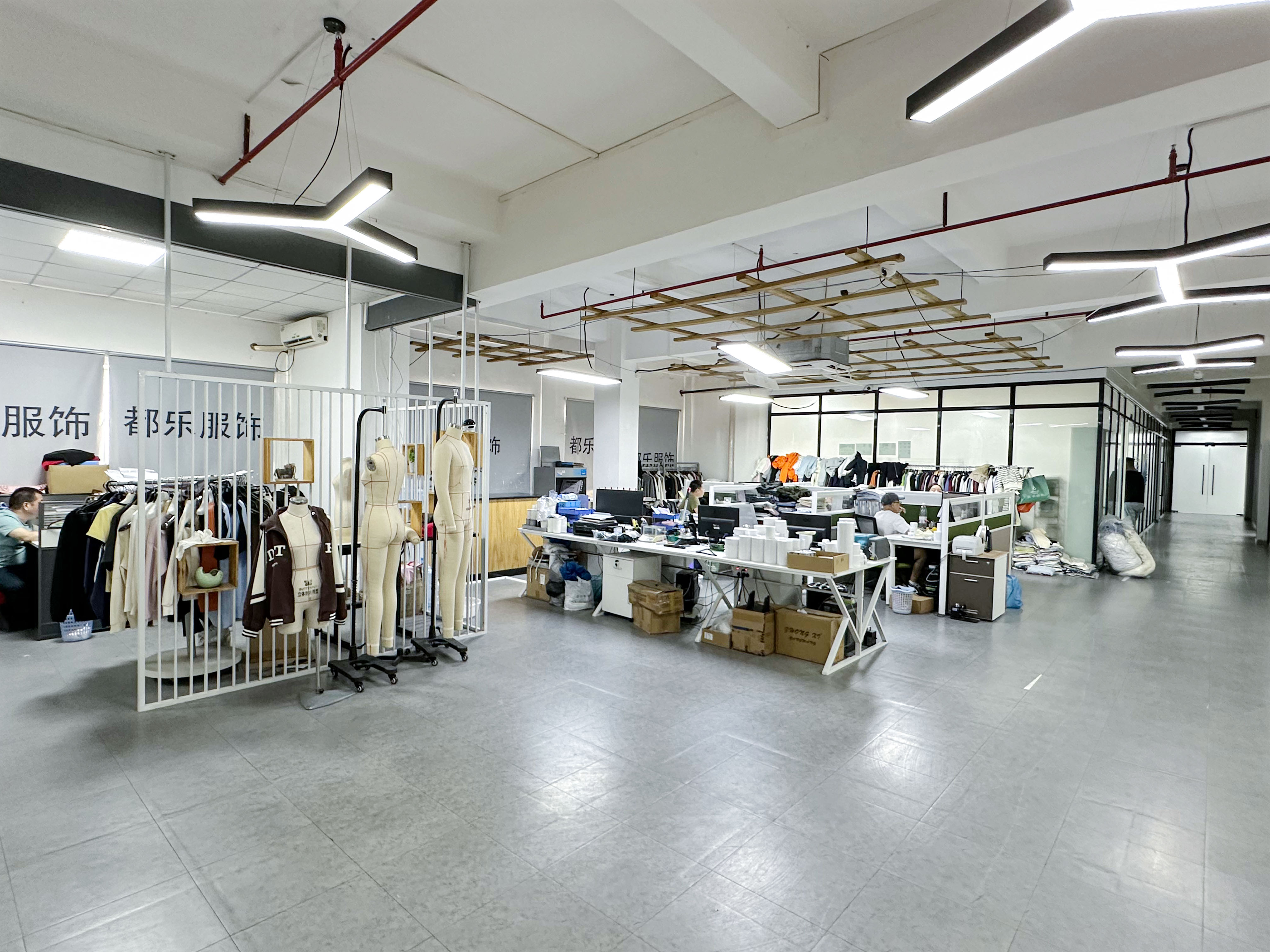
Dongguan City Dule Garment Co.,Ltd utilizes independent technical design and R&D departments equipped with over 50 specialized machines to handle full-process custom apparel techniques completely in-house.
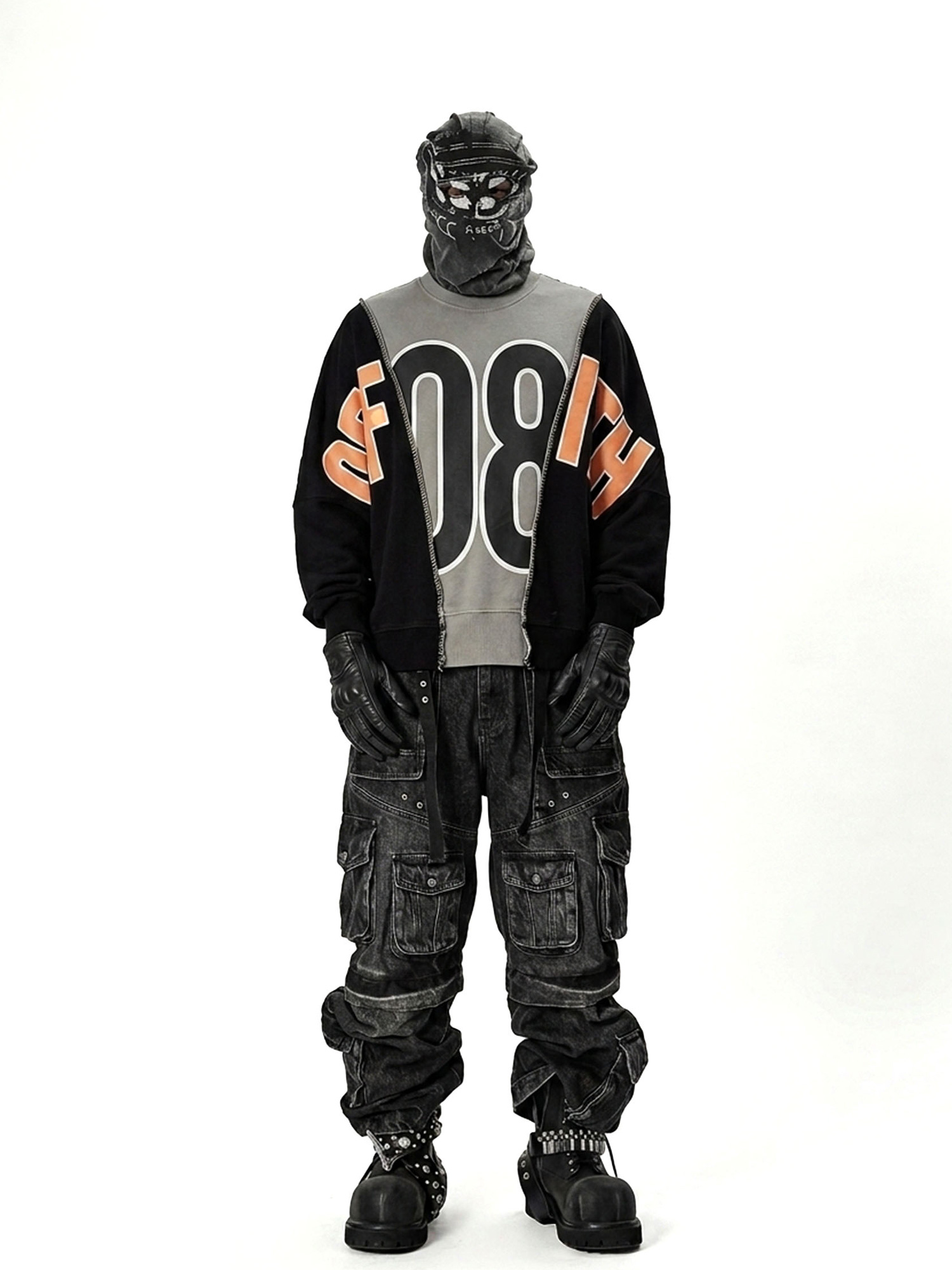
In typical factory workflows, initial mold charges are paid upfront during product sampling. Depending on the final production quantity, these charges are later reconciled against the balance payment on the final commercial invoice.
Three Core Accounting Mechanisms for Custom Mold Charges
- Volume Threshold Rebate Credit: The client pays for tooling during development. When final order volumes reach agreed minimum targets, 100% of the mold fee is credited back on the final balance settlement, bringing net mold expenses to zero.
- Explicit Line-Item Billing: For small-batch drops or single-run capsule collections, setup charges appear as distinct line items on commercial invoices under trade terms like DDP or FOB Shenzhen.
- Per-Unit Cost Amortization: Tooling expenses are distributed directly across the unit prices of scheduled production batches, eliminating upfront mold setup line items for continuous product drops.
Comparative Overview of Mold Accounting Methods
| Billing Method | Initial Payment Structure | Final Invoice Reconciliation | Best Suited Application |
|---|---|---|---|
| Threshold Rebate Credit | Upfront setup payment invoiced before prototyping | Fully credited against balance once order quantity target is met | Medium to large production runs (500+ pieces per style) |
| Direct Line-Item Billing | Separate tooling charge listed on initial deposit invoice | Maintained as a non-refundable setup fee alongside unit garment costs | Small-batch custom drops (50–200 pcs) or limited capsules |
| Per-Unit Amortization | No upfront separate tooling fee | Mold expense amortized directly into the unit price per piece | Repeat reorders under continuous annual manufacturing contracts |
Operational Settlement & Billing Workflow
Prior to bulk shipping, all technical modifications, sample iterations, and mold setup fees are audited against purchase orders and bank receipts. For established brand clients—such as Vanguard Shop Co. in the UK producing 1,000 units per SKU across 24 yearly releases—reaching minimum volume thresholds allows custom mold fees to be credited directly on the final invoice settlement.
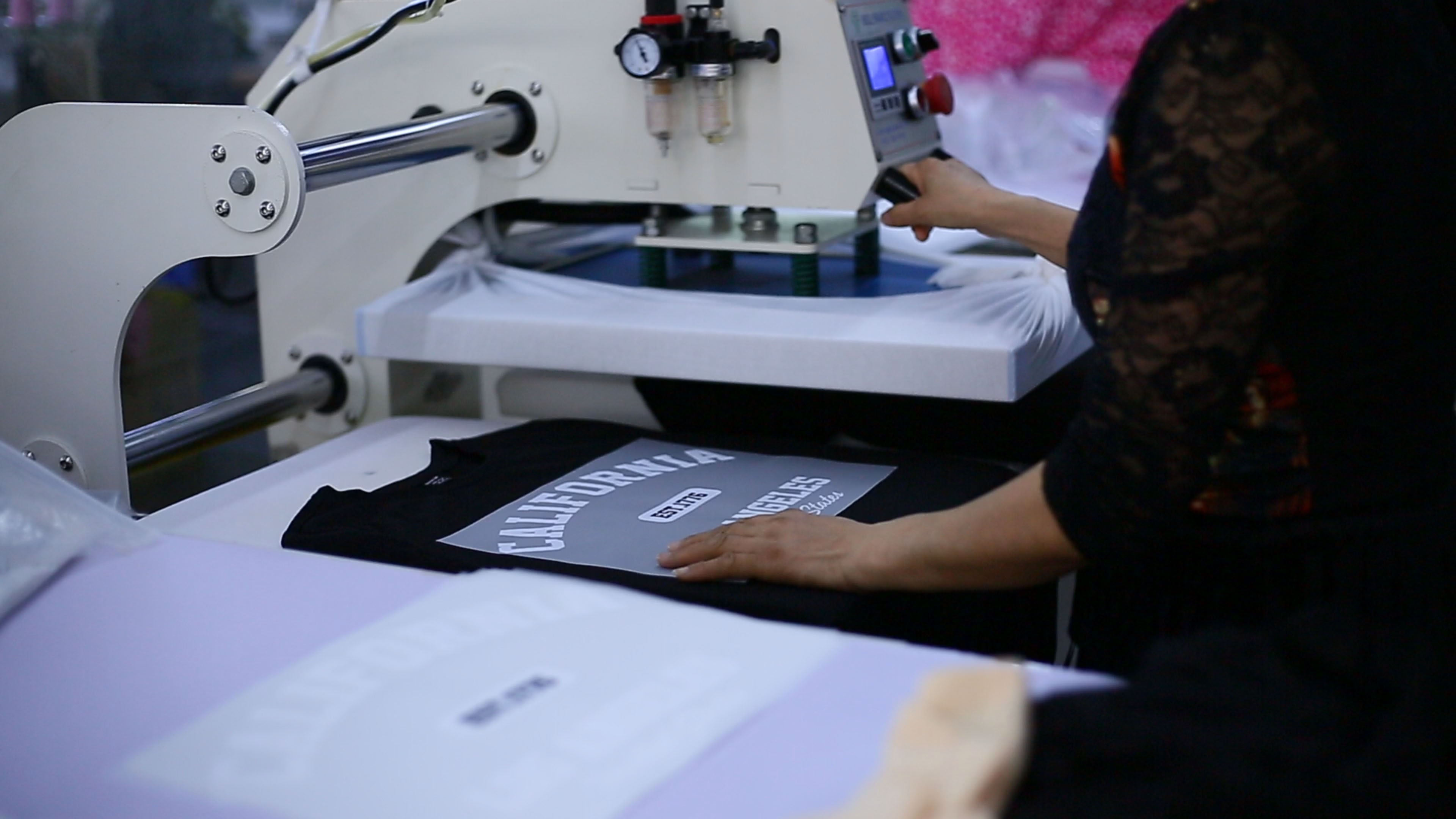
For smaller streetwear orders, non-recurring engineering costs (such as raw rubber mold creation, screen preparation, and press testing) remain as itemized line items. The invoice clearly breaks down garment unit pricing, shipping terms (such as FOB Shenzhen or DDP), and payment options (including Alipay or Bank Transfer), maintaining total financial clarity.
Frequently Asked Questions (FAQ)
Q: How do custom mold fees appear on trade invoices?
A: Setup fees are listed separately under Non-Recurring Engineering (NRE) or Tooling Setup charges, keeping them distinct from FOB unit prices and shipping fees.
Q: When can a client receive a full refund or credit for mold fees?
A: A mold fee is credited against the final invoice balance once the final order volume meets the minimum threshold defined in the original OEM/ODM agreement.
Q: Do sample adjustments increase the custom mold charge on final settlement?
A: Standard refinements within original design parameters do not change the initial tooling fee. However, structural design alterations requiring complete mold remaking will add updated line items to the settlement statement.
Conclusion & Key Recommendations
Selecting the proper custom mold accounting structure relies on your expected order quantities and reorder frequency. Taking advantage of flexible minimum order quantities—50 units for custom styles and 20 units for blank garments—helps balance development budgets. Utilizing secure payment methods like Alipay or Bank Transfer alongside established shipping terms (DDP, FOB Shenzhen) ensures clean financial auditing from initial development to final delivery. For expert manufacturing solutions or inquiries, contact us at yutianfang88@gmail.com.
About Us
Dongguan City Dule Garment Co.,Ltd is an established OEM/ODM streetwear and heavyweight apparel manufacturer operating since 2007. Spanning 5,000 square meters of production space with a workforce of 200 employees, the company generates over 500 new styles yearly and maintains an annual capacity of 1.2 million garments. DOLUXE serves 200+ global brands across North America, Europe, Australia, and Asia, specializing in heavyweight hoodies, t-shirts, sweatshirts, denim, and cargo pants.

REPORT