







-
 Agriculture
-
 Health-Care
-
 Environment
-
 Construction-Real-Estate
-
 Tools-Hardware
-
 Home-Garden
-
 Furniture
-
 Luggage-Bags-Cases
-
 Medical-devices-Supplies
-
 Gifts-Crafts
-
 Sports-Entertainment
-
 Food-Beverage
-
 Vehicles-Transportation
-
 Power-Transmission
-
 Material-Handling
-
 Renewable-Energy
-
 Safety
-
 Testing-Instrument-Equipment
-
 Construction-Building-Machinery
-
 Pet-Supplies
-
 Personal-Care-Household-Cleaning
-
 Vehicle-Accessories-Electronics-Tools
-
 School-Office-Supplies
-
 Packaging-Printing
-
 Mother-Kids-Toys
-
 Business-Services
-
 Commercial-Equipment-Machinery
-
 Apparel-Accessories
-
 Security
-
 Shoes-Accessories
-
 Vehicle-Parts-Accessories
-
 Jewelry-Eyewear-Watches-Accessories
-
 Lights-Lighting
-
 Fabric-Textile-Raw-Material
-
 Fabrication-Services
-
 Industrial-Machinery
-
 Consumer-Electronics
-
 Electrical-Equipment-Supplies
-
 Electronic-Components-Accessories-Telecommunications
-
 Home-Appliances
-
 Beauty
-
 Chemicals
-
 Rubber-Plastics
-
 Metals-Alloys


























































































































































































































































































































































































































































































































































































- Masonry Materials
- Curtain Walls & Accessories
- Earthwork Products
- Fireproofing Materials
- Heat Insulation Materials
- Plastic Building Materials
- Building Boards
- Soundproofing Materials
- Timber
- Waterproofing Materials
- Balustrades & Handrails
- Bathroom & Kitchen
- Flooring & Accessories
- Tiles & Accessories
- Door, Window & Accessories
- Fireplaces & Stoves
- Floor Heating Systems & Parts
- Stairs & Stair Parts
- Ceilings
- Elevators & Escalators
- Stone
- Countertops, Vanity Tops & Table Tops
- Mosaics
- Metal Building Materials
- Multifunctional Materials
- Ladders & Scaffoldings
- Mouldings
- Corner Guards
- Decorative Films
- Formwork
- Building & Industrial Glass
- Other Construction & Real Estate
- Wallpapers/Wall panels
- HVAC System & Parts
- Outdoor Facilities
- Prefabricated Buildings
- Festive & Party Supplies
- Bathroom Products
- Household Sundries
- Rain Gear
- Garden Supplies
- Household Cleaning Tools & Accessories
- Lighters & Smoking Accessories
- Home Storage & Organization
- Household Scales
- Smart Home Improvement
- Home Textiles
- Kitchenware
- Drinkware & Accessories
- Dinnerware, Coffee & Wine
- Home Decor
- Golf
- Fitness & Body Building
- Amusement Park Facilities
- Billiards, Board Game,Coin Operated Games
- Musical Instruments
- Outdoor Affordable Luxury Sports
- Camping & Hiking
- Fishing
- Sports Safety&Rehabilitation
- Ball Sports Equipments
- Water Sports
- Winter Sports
- Luxury Travel Equipments
- Sports Shoes, Bags & Accessories
- Cycling
- Other Sports & Entertainment Products
- Artificial Grass&Sports Flooring&Sports Court Equipment
- Scooters
- Food Ingredients
- Honey & Honey Products
- Snacks
- Nuts & Kernels
- Seafood
- Plant & Animal Oil
- Beverages
- Fruit & Vegetable Products
- Frog & Escargot
- Bean Products
- Egg Products
- Dairy Products
- Seasonings & Condiments
- Canned Food
- Instant Food
- Baked Goods
- Other Food & Beverage
- Meat & Poultry
- Confectionery
- Grain Products
- Feminie Care
- Hair Care & Styling
- Body Care
- Hands & Feet Care
- Hygiene Products
- Men's Grooming
- Laundry Cleaning Supplies
- Travel Size & Gift Sets
- Room Deodorizers
- Other Personal Care Products
- Pest Control Products
- Special Household Cleaning
- Floor Cleaning
- Kitchen & Bathroom Cleaning
- Oral Care
- Bath Supplies
- Yellow Pages
- Correction Supplies
- Office Binding Supplies
- Office Cutting Supplies
- Board Erasers
- Office Adhesives & Tapes
- Education Supplies
- Pencil Cases & Bags
- Notebooks & Writing Pads
- File Folder Accessories
- Calendars
- Writing Accessories
- Commercial Office Supplies
- Pencil Sharpeners
- Pens
- Letter Pad/Paper
- Paper Envelopes
- Desk Organizers
- Pencils
- Markers & Highlighters
- Filing Products
- Art Supplies
- Easels
- Badge Holder & Accessories
- Office Paper
- Printer Supplies
- Book Covers
- Other Office & School Supplies
- Stationery Set
- Boards
- Clipboards
- Stamps
- Drafting Supplies
- Stencils
- Electronic Dictionary
- Books
- Map
- Magazines
- Calculators
- Baby & Toddler Toys
- Educational Toys
- Classic Toys
- Dress Up & Pretend Play
- Toy Vehicle
- Stuffed Animals & Plush Toys
- Outdoor Toys & Structures
- Balloons & Accessories
- Baby Food
- Children's Clothing
- Baby Supplies & Products
- Maternity Clothes
- Kids Shoes
- Baby Care
- Novelty & Gag Toys
- Dolls & Accessories
- Puzzle & Games
- Blocks & Model Building Toys
- Toddler Clothing
- Baby Clothing
- Kids' Luggage & Bags
- Arts, Crafts & DIY Toys
- Action & Toy Figures
- Baby Appliances
- Hobbies & Models
- Remote Control Toys
- Promotional Toys
- Pregnancy & Maternity
- Hygiene Products
- Kid's Textile&Bedding
- Novelty & Special Use
- Toy Weapons
- Baby Gifts
- Baby Storage & Organization
- Auto Drive Systems
- ATV/UTV Parts & Accessories
- Marine Parts & Accessories
- Other Auto Parts
- Trailer Parts & Accessories
- Auto Transmission Systems
- Train Parts & Accessories
- Universal Parts
- Railway Parts & Accessories
- Auto Brake Systems
- Aviation Parts & Accessories
- Truck Parts & Accessories
- Auto Suspension Systems
- Auto Lighting Systems
- New Energy Vehicle Parts & Accessories
- Auto Steering Systems
- Wheels, Tires & Accessories
- Bus Parts & Accessories
- Auto Performance Parts
- Cooling System
- Go-Kart & Kart Racer Parts & Accessories
- Air Conditioning Systems
- Heavy Duty Vehicle Parts & Accessories
- Auto Electrical Systems
- Auto Body Systems
- Auto Engine Systems
- Container Parts & Accessories
- Motorcycle Parts & Accessories
- Refrigeration & Heat Exchange Equipment
- Machine Tool Equipment
- Food & Beverage Machinery
- Agricultural Machinery & Equipment
- Apparel & Textile Machinery
- Chemical Machinery
- Packaging Machines
- Paper Production Machinery
- Plastic & Rubber Processing Machinery
- Industrial Robots
- Electronic Products Machinery
- Metal & Metallurgy Machinery
- Woodworking Machinery
- Home Product Manufacturing Machinery
- Machinery Accessories
- Environmental Machinery
- Machinery Service
- Electrical Equipment Manufacturing Machinery
- Industrial Compressors & Parts
- Tobacco & Cigarette Machinery
- Production Line
- Used Industrial Machinery
- Electronics Production Machinery
- Other Machinery & Industrial Equipment
- Camera, Photo & Accessories
- Portable Audio, Video & Accessories
- Television, Home Audio, Video & Accessories
- Video Games & Accessories
- Mobile Phone & Accessories
- Electronic Publications
- Earphone & Headphone & Accessories
- Speakers & Accessories
- Smart Electronics
- TV Receivers & Accessories
- Mobile Phone & Computer Repair Parts
- Chargers, Batteries & Power Supplies
- Used Electronics
- VR, AR, MR Hardware & Software
- Projectors & Presentation Equipments
- Other Consumer Electronics
- Cables & Commonly Used Accessories
- Computer Hardware & Software
- Displays, Signage and Optoelectronics
- Discrete Semiconductors
- Wireless & IoT Module and Products
- Telecommunications
- Connectors, Terminals & Accessories
- Development Boards, Electronic Modules and Kits
- Circuit Protection
- Sensors
- Isolators
- Audio Components and Products
- Integrated Circuits
- Power Supplies
- Relays
- RF, Microwave and RFID
- Electronic Accessories & Supplies
- Passive Components
- PCB & PCBA
- Air Quality Appliances
- Home Appliance Parts
- Heating & Cooling Appliances
- Small Kitchen Appliances
- Laundry Appliances
- Water Heaters
- Water Treatment Appliances
- Refrigerators & Freezers
- Personal Care & Beauty Appliances
- Major Kitchen Appliances
- Cleaning Appliances
- Second-hand Appliances
- Smart Home Appliances
- Other Home Appliances
- Energy Chemicals
- Inorganic Chemicals
- Basic Organic Chemicals
- Agrochemicals
- Admixture & Additives
- Catalysts & Chemical Auxiliary Agents
- Pigments & Dyestuff
- Coating & Paint
- Daily Chemicals
- Polymer
- Organic Intermediate
- Adhesives & Sealants
- Chemical Waste
- Biological Chemical Products
- Surface Treatment Chemicals
- Painting & Coating
- Chemical Reagents
- Flavor & Fragrance
- Non-Explosive Demolition Agents
- Other Chemicals
- Custom Chemical Services

How to Keep Your Bread Packaging Line on Schedule Before Peak Season
Securing the delivery date of a bread packaging line before a busy season starts with early technical alignment. Bakery producers should finalize the machine layout, reserve manufacturing capacity, arrange product testing, and select a logistics plan that matches the required commissioning date. Resolving these points before fabrication helps prevent late engineering changes, inspection holds, and shipment delays.
Start With a Complete Line Specification
The first step is to confirm exactly which toast bread packaging solution is needed. Depending on the application, the equipment may consist of an independent bread slicer and bagger, an integrated slicer-bagger, or a decrusting, slicing, and flow-wrap packaging line. The selected arrangement should be approved before the supplier begins production.
Order documentation should clearly state loaf dimensions, loaf weight, required output, slice thickness, package format, bag or film type, and closure method. It should also include the available electrical supply, compressed-air conditions, and any requested inspection or coding devices. A stable specification allows the manufacturer to allocate materials and production time with fewer interruptions.
Key Technical Parameters to Confirm
- Slicer output, with stated capacity up to 2,500 loaves per hour for 0.6 kg bread loaves.
- Slice thickness, including the standard 11 mm option and available 13 mm or 15 mm custom settings.
- Packaging speed and format, such as pillow packs or pre-formed wicket bags.
- Bag-closing method, including clip-band, twist-tie, or flow-wrap sealing.
- Power requirements of typically 380V-400V, 50-60Hz, three-phase, plus compressed air at 5-6 bar.
- Optional equipment such as a metal detector, checkweigher, label applicator, or thermal printer.
Match Equipment Design to the Bread Packaging Process
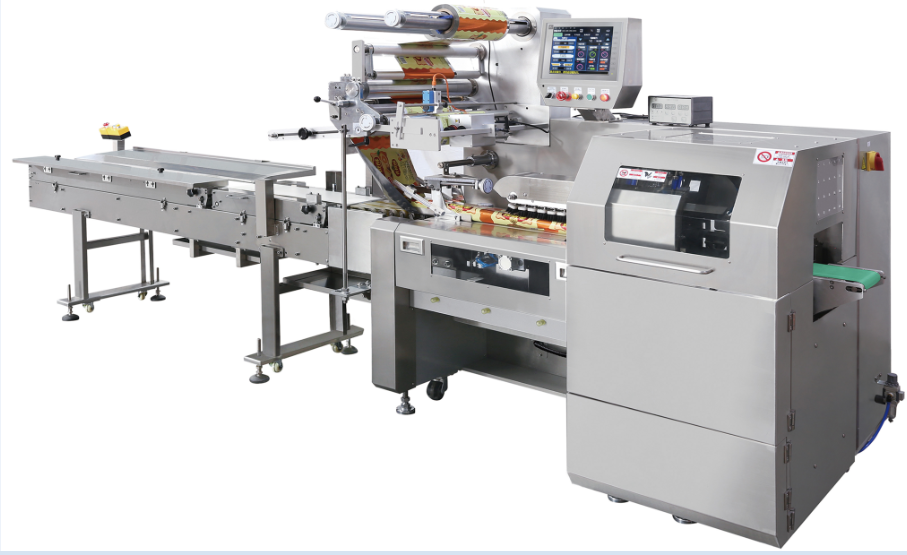
A toast bread packaging line can combine multiple stages into one coordinated process. The slicer section uses continuous band blades, adjustable infeed belts, pneumatic blade tensioning, and blade-break monitoring that stops the machine automatically when necessary. These functions support consistent slicing while helping protect both product quality and operating safety.
For flow-wrap applications, the horizontal packaging machine is specified for 20-120 bags per minute and can process paper, plastic, or composite film materials. Wicket-bag systems are designed for PE bags and can be paired with clip-band or twist-tie closures. Date coding can also be included where required. In integrated slicer-bagger systems, automatic dual wicket exchange enables bag changes without stopping the line, supporting continuous bakery production.
Approve Samples and Inspections Before Production Release
Product testing should be scheduled as early as possible, especially when the bread shape, packaging materials, or desired appearance have special requirements. The stated inspection arrangement supports 48-hour testing or testing with customer-provided samples. Sending representative samples and packaging materials early gives the supplier time to verify slicing, bagging, sealing, and overall package performance before final acceptance.
Early testing is particularly important for bakery factories, bakery stores, food plants, and other high-throughput packaging environments. It reduces the possibility that a late adjustment to bag dimensions, sealing settings, or product handling will affect the planned delivery date.
Build the Delivery Plan Around Manufacturing and Logistics
The listed product delivery period is 30-60 days. This range should be treated as the manufacturing window, not as the final arrival date at the customer's facility. Sea freight, air freight, and truck transportation can be used, but each option requires separate planning for transit time, equipment dimensions, customs procedures, and the destination route.
| Planning item | Recommended action | Impact on schedule |
|---|---|---|
| Manufacturing lead time | Plan within the stated 30-60-day delivery range. | Provides a realistic factory production window before dispatch. |
| Technical confirmation | Approve the equipment layout and all optional devices before fabrication. | Avoids design revisions after production capacity has been booked. |
| Sample validation | Arrange 48-hour testing or submit customer samples early. | Prevents inspection approval from becoming a shipment bottleneck. |
| Transport selection | Choose sea, air, or truck freight according to the required arrival date. | Allows transit time and shipment handling to be included in the project plan. |
| Payment preparation | Plan for a 30% deposit and 70% payment on or before shipment. | Helps ensure equipment can be released for delivery on time. |
Frequently Asked Questions
What details should be prepared before ordering a bread packaging line?
Buyers should provide bread size, weight, expected output, slice thickness, packaging type, bag or film material, closure style, utility conditions, and optional equipment requirements. This information determines the correct configuration and supports accurate delivery planning.
Can the equipment be used for sliced toast and crustless bread?
Yes. The available product information includes slicer-bagger systems for sliced toast bread and decrusting, slicing, and flow-pack solutions for products requiring crust removal on all four sides.
Which transport methods are available for the line?
Sea freight, air freight, and truck delivery are acceptable options. Because a complete automated packaging line may require more handling and shipping coordination than a smaller standalone machine, the transport method should be confirmed at the order stage.
Recommended Actions Before Peak Demand
To protect a peak-season installation date, release a complete technical specification, reserve the manufacturing slot, submit samples for testing, and incorporate transport time into the overall project schedule. Payment milestones should also be agreed early so shipment is not held after the equipment is ready.
Foshan Ruipuhua Machinery Equipment Co. Ltd supports manufacturing and OEM projects for automated packaging equipment. Its recorded CE certificate, No. M.2024.206.C107511, covers relevant flow packaging machines, automatic packaging systems, cartoning machines, and palletizing robots. The company has also supplied integrated wrapping and palletizing systems, including a recorded 27-system chocolate pie cake packaging project serving bakery manufacturing operations in Vietnam, Korea, and China. For technical consultation, contact lotuspack@ruipuhua.com.
About Us
Foshan Ruipuhua Machinery Equipment Co. Ltd is an intelligent packaging machinery manufacturer founded in 2005 in Foshan, Guangdong. The company provides equipment development, production, installation, and technical after-sales support. Its product portfolio includes bakery packaging lines, ultrasonic toast bread slicing and packaging systems, as well as packaging, cartoning, case-packing, and palletizing equipment. The company states that it operates a 50,000-square-meter factory with annual production capacity exceeding 500 automatic packaging machines and complete packaging lines, and it serves customers across multiple industries.

REPORT