







-
 Agriculture
-
 Health-Care
-
 Environment
-
 Construction-Real-Estate
-
 Tools-Hardware
-
 Home-Garden
-
 Furniture
-
 Luggage-Bags-Cases
-
 Medical-devices-Supplies
-
 Gifts-Crafts
-
 Sports-Entertainment
-
 Food-Beverage
-
 Vehicles-Transportation
-
 Power-Transmission
-
 Material-Handling
-
 Renewable-Energy
-
 Safety
-
 Testing-Instrument-Equipment
-
 Construction-Building-Machinery
-
 Pet-Supplies
-
 Personal-Care-Household-Cleaning
-
 Vehicle-Accessories-Electronics-Tools
-
 School-Office-Supplies
-
 Packaging-Printing
-
 Mother-Kids-Toys
-
 Business-Services
-
 Commercial-Equipment-Machinery
-
 Apparel-Accessories
-
 Security
-
 Shoes-Accessories
-
 Vehicle-Parts-Accessories
-
 Jewelry-Eyewear-Watches-Accessories
-
 Lights-Lighting
-
 Fabric-Textile-Raw-Material
-
 Fabrication-Services
-
 Industrial-Machinery
-
 Consumer-Electronics
-
 Electrical-Equipment-Supplies
-
 Electronic-Components-Accessories-Telecommunications
-
 Home-Appliances
-
 Beauty
-
 Chemicals
-
 Rubber-Plastics
-
 Metals-Alloys


























































































































































































































































































































































































































































































































































































- Masonry Materials
- Curtain Walls & Accessories
- Earthwork Products
- Fireproofing Materials
- Heat Insulation Materials
- Plastic Building Materials
- Building Boards
- Soundproofing Materials
- Timber
- Waterproofing Materials
- Balustrades & Handrails
- Bathroom & Kitchen
- Flooring & Accessories
- Tiles & Accessories
- Door, Window & Accessories
- Fireplaces & Stoves
- Floor Heating Systems & Parts
- Stairs & Stair Parts
- Ceilings
- Elevators & Escalators
- Stone
- Countertops, Vanity Tops & Table Tops
- Mosaics
- Metal Building Materials
- Multifunctional Materials
- Ladders & Scaffoldings
- Mouldings
- Corner Guards
- Decorative Films
- Formwork
- Building & Industrial Glass
- Other Construction & Real Estate
- Wallpapers/Wall panels
- HVAC System & Parts
- Outdoor Facilities
- Prefabricated Buildings
- Festive & Party Supplies
- Bathroom Products
- Household Sundries
- Rain Gear
- Garden Supplies
- Household Cleaning Tools & Accessories
- Lighters & Smoking Accessories
- Home Storage & Organization
- Household Scales
- Smart Home Improvement
- Home Textiles
- Kitchenware
- Drinkware & Accessories
- Dinnerware, Coffee & Wine
- Home Decor
- Golf
- Fitness & Body Building
- Amusement Park Facilities
- Billiards, Board Game,Coin Operated Games
- Musical Instruments
- Outdoor Affordable Luxury Sports
- Camping & Hiking
- Fishing
- Sports Safety&Rehabilitation
- Ball Sports Equipments
- Water Sports
- Winter Sports
- Luxury Travel Equipments
- Sports Shoes, Bags & Accessories
- Cycling
- Other Sports & Entertainment Products
- Artificial Grass&Sports Flooring&Sports Court Equipment
- Scooters
- Food Ingredients
- Honey & Honey Products
- Snacks
- Nuts & Kernels
- Seafood
- Plant & Animal Oil
- Beverages
- Fruit & Vegetable Products
- Frog & Escargot
- Bean Products
- Egg Products
- Dairy Products
- Seasonings & Condiments
- Canned Food
- Instant Food
- Baked Goods
- Other Food & Beverage
- Meat & Poultry
- Confectionery
- Grain Products
- Feminie Care
- Hair Care & Styling
- Body Care
- Hands & Feet Care
- Hygiene Products
- Men's Grooming
- Laundry Cleaning Supplies
- Travel Size & Gift Sets
- Room Deodorizers
- Other Personal Care Products
- Pest Control Products
- Special Household Cleaning
- Floor Cleaning
- Kitchen & Bathroom Cleaning
- Oral Care
- Bath Supplies
- Yellow Pages
- Correction Supplies
- Office Binding Supplies
- Office Cutting Supplies
- Board Erasers
- Office Adhesives & Tapes
- Education Supplies
- Pencil Cases & Bags
- Notebooks & Writing Pads
- File Folder Accessories
- Calendars
- Writing Accessories
- Commercial Office Supplies
- Pencil Sharpeners
- Pens
- Letter Pad/Paper
- Paper Envelopes
- Desk Organizers
- Pencils
- Markers & Highlighters
- Filing Products
- Art Supplies
- Easels
- Badge Holder & Accessories
- Office Paper
- Printer Supplies
- Book Covers
- Other Office & School Supplies
- Stationery Set
- Boards
- Clipboards
- Stamps
- Drafting Supplies
- Stencils
- Electronic Dictionary
- Books
- Map
- Magazines
- Calculators
- Baby & Toddler Toys
- Educational Toys
- Classic Toys
- Dress Up & Pretend Play
- Toy Vehicle
- Stuffed Animals & Plush Toys
- Outdoor Toys & Structures
- Balloons & Accessories
- Baby Food
- Children's Clothing
- Baby Supplies & Products
- Maternity Clothes
- Kids Shoes
- Baby Care
- Novelty & Gag Toys
- Dolls & Accessories
- Puzzle & Games
- Blocks & Model Building Toys
- Toddler Clothing
- Baby Clothing
- Kids' Luggage & Bags
- Arts, Crafts & DIY Toys
- Action & Toy Figures
- Baby Appliances
- Hobbies & Models
- Remote Control Toys
- Promotional Toys
- Pregnancy & Maternity
- Hygiene Products
- Kid's Textile&Bedding
- Novelty & Special Use
- Toy Weapons
- Baby Gifts
- Baby Storage & Organization
- Auto Drive Systems
- ATV/UTV Parts & Accessories
- Marine Parts & Accessories
- Other Auto Parts
- Trailer Parts & Accessories
- Auto Transmission Systems
- Train Parts & Accessories
- Universal Parts
- Railway Parts & Accessories
- Auto Brake Systems
- Aviation Parts & Accessories
- Truck Parts & Accessories
- Auto Suspension Systems
- Auto Lighting Systems
- New Energy Vehicle Parts & Accessories
- Auto Steering Systems
- Wheels, Tires & Accessories
- Bus Parts & Accessories
- Auto Performance Parts
- Cooling System
- Go-Kart & Kart Racer Parts & Accessories
- Air Conditioning Systems
- Heavy Duty Vehicle Parts & Accessories
- Auto Electrical Systems
- Auto Body Systems
- Auto Engine Systems
- Container Parts & Accessories
- Motorcycle Parts & Accessories
- Refrigeration & Heat Exchange Equipment
- Machine Tool Equipment
- Food & Beverage Machinery
- Agricultural Machinery & Equipment
- Apparel & Textile Machinery
- Chemical Machinery
- Packaging Machines
- Paper Production Machinery
- Plastic & Rubber Processing Machinery
- Industrial Robots
- Electronic Products Machinery
- Metal & Metallurgy Machinery
- Woodworking Machinery
- Home Product Manufacturing Machinery
- Machinery Accessories
- Environmental Machinery
- Machinery Service
- Electrical Equipment Manufacturing Machinery
- Industrial Compressors & Parts
- Tobacco & Cigarette Machinery
- Production Line
- Used Industrial Machinery
- Electronics Production Machinery
- Other Machinery & Industrial Equipment
- Camera, Photo & Accessories
- Portable Audio, Video & Accessories
- Television, Home Audio, Video & Accessories
- Video Games & Accessories
- Mobile Phone & Accessories
- Electronic Publications
- Earphone & Headphone & Accessories
- Speakers & Accessories
- Smart Electronics
- TV Receivers & Accessories
- Mobile Phone & Computer Repair Parts
- Chargers, Batteries & Power Supplies
- Used Electronics
- VR, AR, MR Hardware & Software
- Projectors & Presentation Equipments
- Other Consumer Electronics
- Cables & Commonly Used Accessories
- Computer Hardware & Software
- Displays, Signage and Optoelectronics
- Discrete Semiconductors
- Wireless & IoT Module and Products
- Telecommunications
- Connectors, Terminals & Accessories
- Development Boards, Electronic Modules and Kits
- Circuit Protection
- Sensors
- Isolators
- Audio Components and Products
- Integrated Circuits
- Power Supplies
- Relays
- RF, Microwave and RFID
- Electronic Accessories & Supplies
- Passive Components
- PCB & PCBA
- Air Quality Appliances
- Home Appliance Parts
- Heating & Cooling Appliances
- Small Kitchen Appliances
- Laundry Appliances
- Water Heaters
- Water Treatment Appliances
- Refrigerators & Freezers
- Personal Care & Beauty Appliances
- Major Kitchen Appliances
- Cleaning Appliances
- Second-hand Appliances
- Smart Home Appliances
- Other Home Appliances
- Energy Chemicals
- Inorganic Chemicals
- Basic Organic Chemicals
- Agrochemicals
- Admixture & Additives
- Catalysts & Chemical Auxiliary Agents
- Pigments & Dyestuff
- Coating & Paint
- Daily Chemicals
- Polymer
- Organic Intermediate
- Adhesives & Sealants
- Chemical Waste
- Biological Chemical Products
- Surface Treatment Chemicals
- Painting & Coating
- Chemical Reagents
- Flavor & Fragrance
- Non-Explosive Demolition Agents
- Other Chemicals
- Custom Chemical Services

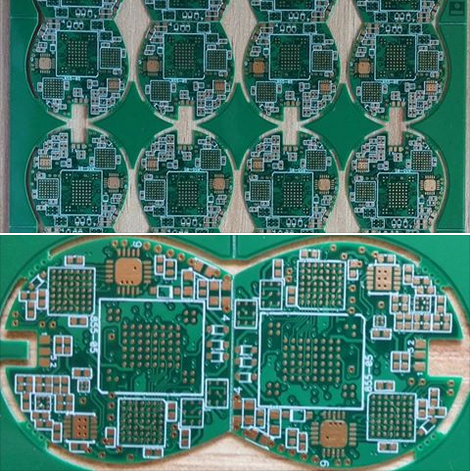
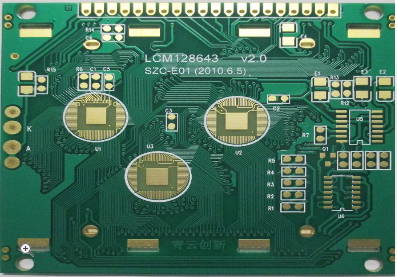
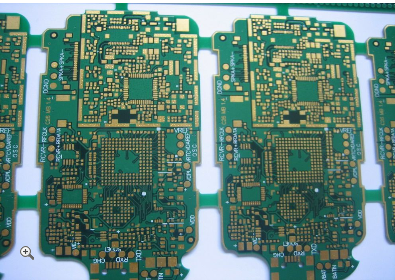
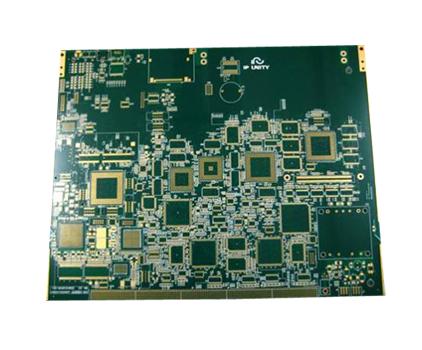
Streamlining The Electronics Layout Process From Schematic To Manufacturing
In the fast-paced world of electronics development, the journey from a conceptual schematic to a tangible, manufacturable printed circuit board (PCB) is often fraught with complexity, potential errors, and time-consuming iterations. Streamlining the electronics layout process from schematic to manufacturing is not merely an operational goal; it is a critical competitive necessity. This integrated approach seeks to bridge the traditional gaps between design, verification, and production, creating a seamless, efficient, and error-resistant workflow. By adopting a holistic strategy that leverages advanced tools, standardized practices, and collaborative principles, companies can dramatically reduce time-to-market, enhance product reliability, and control costs. This article delves into the multifaceted aspects of this streamlining process, exploring how modern methodologies are transforming a traditionally segmented sequence into a cohesive and agile engineering discipline.
The Foundation: Integrated Design Tools and Unified Data Management
The cornerstone of a streamlined process is the adoption of integrated electronic design automation (EDA) software suites. Historically, schematic capture and PCB layout were handled by separate, often poorly communicating tools, leading to manual netlist transfers and synchronization errors. Modern platforms integrate schematic entry, component library management, simulation, PCB layout, and design rule checking into a single environment with a unified database. This integration ensures that any change made in the schematic is automatically reflected in the layout, and vice versa, maintaining consistency and eliminating a major source of human error.
Furthermore, effective data management extends beyond the design tool itself. It involves creating a centralized, cloud-accessible component library with validated footprints, 3D models, and supply chain information. When every engineer uses the same "single source of truth" for components, it prevents mismatches between the schematic symbol and the physical PCB footprint—a common cause of manufacturing re-spins. This unified approach to data management forms the digital backbone that supports all subsequent streamlining efforts, from simulation to fabrication file generation.
Enforcing Intent: Design Rule Checking and Constraint Management
Streamlining requires moving from reactive error detection to proactive design guidance. This is achieved through sophisticated design rule checking (DRC) and electrical rule checking (ERC) engines that are deeply integrated into the layout process. However, the true power lies in constraint management. Engineers can define electrical, physical, and manufacturing constraints upfront—such as high-speed signal timing requirements, impedance control, minimum clearances, and drill sizes—and the layout tool will actively enforce these rules in real-time.
For instance, when routing a high-speed differential pair, the tool can automatically ensure the traces are length-matched, maintain a specific gap, and follow the same layer stackup, all while the designer works. This prevents the tedious and error-prone process of manually measuring and adjusting traces after the fact. By encoding design intent and manufacturing capabilities directly into the tool as constraints, the layout process becomes a guided activity that inherently produces a more manufacturable and higher-performance board on the first attempt.
Bridging the Gap: Collaboration and Design for Manufacturing
A streamlined process actively dismantles the silos between design and production teams. Early and continuous collaboration with PCB fabricators and assembly houses is paramount. This is embodied in the practice of Design for Manufacturing (DFM) and Design for Assembly (DFA). Modern EDA tools can run DFM/DFA checks based on the specific capabilities and preferences of a chosen manufacturer, flagging potential issues like slivers of copper, acid traps, or component placements that hinder automated soldering.
This collaborative mindset extends to using shared review platforms. Instead of exchanging static Gerber files for final approval, teams can share interactive, browser-based visualizations of the PCB where both electrical and mechanical engineers can add comments directly onto the design. This real-time collaboration catches interdisciplinary issues—such as a heatsink interfering with a connector—much earlier in the cycle, avoiding costly late-stage changes. The goal is to make the manufacturer a partner in the design process, not just a recipient of final files.
The Final Handoff: Automated Output Generation and Documentation
The culmination of the streamlined process is a flawless, automated handoff to manufacturing. Inconsistent or incomplete output file generation has historically been a major bottleneck and risk. Modern workflows automate the creation of the entire "manufacturing package." With a single command, the system can generate all necessary files: error-free Gerbers in the correct format, NC drill files, pick-and-place data, bill of materials (BOM), assembly drawings, and test point reports.
This automation is powered by templates and scripts configured to the exact requirements of the fabrication and assembly partners. The BOM can be directly linked to the component library, ensuring part numbers and manufacturer data are accurate and up-to-date. By automating this final, critical step, the process eliminates manual errors in file generation, ensures all stakeholders receive consistent information, and allows the design team to release the product with confidence, knowing that the digital model will translate perfectly into a physical product.
REPORT