







-
 Agriculture
-
 Health-Care
-
 Environment
-
 Construction-Real-Estate
-
 Tools-Hardware
-
 Home-Garden
-
 Furniture
-
 Luggage-Bags-Cases
-
 Medical-devices-Supplies
-
 Gifts-Crafts
-
 Sports-Entertainment
-
 Food-Beverage
-
 Vehicles-Transportation
-
 Power-Transmission
-
 Material-Handling
-
 Renewable-Energy
-
 Safety
-
 Testing-Instrument-Equipment
-
 Construction-Building-Machinery
-
 Pet-Supplies
-
 Personal-Care-Household-Cleaning
-
 Vehicle-Accessories-Electronics-Tools
-
 School-Office-Supplies
-
 Packaging-Printing
-
 Mother-Kids-Toys
-
 Business-Services
-
 Commercial-Equipment-Machinery
-
 Apparel-Accessories
-
 Security
-
 Shoes-Accessories
-
 Vehicle-Parts-Accessories
-
 Jewelry-Eyewear-Watches-Accessories
-
 Lights-Lighting
-
 Fabric-Textile-Raw-Material
-
 Fabrication-Services
-
 Industrial-Machinery
-
 Consumer-Electronics
-
 Electrical-Equipment-Supplies
-
 Electronic-Components-Accessories-Telecommunications
-
 Home-Appliances
-
 Beauty
-
 Chemicals
-
 Rubber-Plastics
-
 Metals-Alloys


























































































































































































































































































































































































































































































































































































- Masonry Materials
- Curtain Walls & Accessories
- Earthwork Products
- Fireproofing Materials
- Heat Insulation Materials
- Plastic Building Materials
- Building Boards
- Soundproofing Materials
- Timber
- Waterproofing Materials
- Balustrades & Handrails
- Bathroom & Kitchen
- Flooring & Accessories
- Tiles & Accessories
- Door, Window & Accessories
- Fireplaces & Stoves
- Floor Heating Systems & Parts
- Stairs & Stair Parts
- Ceilings
- Elevators & Escalators
- Stone
- Countertops, Vanity Tops & Table Tops
- Mosaics
- Metal Building Materials
- Multifunctional Materials
- Ladders & Scaffoldings
- Mouldings
- Corner Guards
- Decorative Films
- Formwork
- Building & Industrial Glass
- Other Construction & Real Estate
- Wallpapers/Wall panels
- HVAC System & Parts
- Outdoor Facilities
- Prefabricated Buildings
- Festive & Party Supplies
- Bathroom Products
- Household Sundries
- Rain Gear
- Garden Supplies
- Household Cleaning Tools & Accessories
- Lighters & Smoking Accessories
- Home Storage & Organization
- Household Scales
- Smart Home Improvement
- Home Textiles
- Kitchenware
- Drinkware & Accessories
- Dinnerware, Coffee & Wine
- Home Decor
- Golf
- Fitness & Body Building
- Amusement Park Facilities
- Billiards, Board Game,Coin Operated Games
- Musical Instruments
- Outdoor Affordable Luxury Sports
- Camping & Hiking
- Fishing
- Sports Safety&Rehabilitation
- Ball Sports Equipments
- Water Sports
- Winter Sports
- Luxury Travel Equipments
- Sports Shoes, Bags & Accessories
- Cycling
- Other Sports & Entertainment Products
- Artificial Grass&Sports Flooring&Sports Court Equipment
- Scooters
- Food Ingredients
- Honey & Honey Products
- Snacks
- Nuts & Kernels
- Seafood
- Plant & Animal Oil
- Beverages
- Fruit & Vegetable Products
- Frog & Escargot
- Bean Products
- Egg Products
- Dairy Products
- Seasonings & Condiments
- Canned Food
- Instant Food
- Baked Goods
- Other Food & Beverage
- Meat & Poultry
- Confectionery
- Grain Products
- Feminie Care
- Hair Care & Styling
- Body Care
- Hands & Feet Care
- Hygiene Products
- Men's Grooming
- Laundry Cleaning Supplies
- Travel Size & Gift Sets
- Room Deodorizers
- Other Personal Care Products
- Pest Control Products
- Special Household Cleaning
- Floor Cleaning
- Kitchen & Bathroom Cleaning
- Oral Care
- Bath Supplies
- Yellow Pages
- Correction Supplies
- Office Binding Supplies
- Office Cutting Supplies
- Board Erasers
- Office Adhesives & Tapes
- Education Supplies
- Pencil Cases & Bags
- Notebooks & Writing Pads
- File Folder Accessories
- Calendars
- Writing Accessories
- Commercial Office Supplies
- Pencil Sharpeners
- Pens
- Letter Pad/Paper
- Paper Envelopes
- Desk Organizers
- Pencils
- Markers & Highlighters
- Filing Products
- Art Supplies
- Easels
- Badge Holder & Accessories
- Office Paper
- Printer Supplies
- Book Covers
- Other Office & School Supplies
- Stationery Set
- Boards
- Clipboards
- Stamps
- Drafting Supplies
- Stencils
- Electronic Dictionary
- Books
- Map
- Magazines
- Calculators
- Baby & Toddler Toys
- Educational Toys
- Classic Toys
- Dress Up & Pretend Play
- Toy Vehicle
- Stuffed Animals & Plush Toys
- Outdoor Toys & Structures
- Balloons & Accessories
- Baby Food
- Children's Clothing
- Baby Supplies & Products
- Maternity Clothes
- Kids Shoes
- Baby Care
- Novelty & Gag Toys
- Dolls & Accessories
- Puzzle & Games
- Blocks & Model Building Toys
- Toddler Clothing
- Baby Clothing
- Kids' Luggage & Bags
- Arts, Crafts & DIY Toys
- Action & Toy Figures
- Baby Appliances
- Hobbies & Models
- Remote Control Toys
- Promotional Toys
- Pregnancy & Maternity
- Hygiene Products
- Kid's Textile&Bedding
- Novelty & Special Use
- Toy Weapons
- Baby Gifts
- Baby Storage & Organization
- Auto Drive Systems
- ATV/UTV Parts & Accessories
- Marine Parts & Accessories
- Other Auto Parts
- Trailer Parts & Accessories
- Auto Transmission Systems
- Train Parts & Accessories
- Universal Parts
- Railway Parts & Accessories
- Auto Brake Systems
- Aviation Parts & Accessories
- Truck Parts & Accessories
- Auto Suspension Systems
- Auto Lighting Systems
- New Energy Vehicle Parts & Accessories
- Auto Steering Systems
- Wheels, Tires & Accessories
- Bus Parts & Accessories
- Auto Performance Parts
- Cooling System
- Go-Kart & Kart Racer Parts & Accessories
- Air Conditioning Systems
- Heavy Duty Vehicle Parts & Accessories
- Auto Electrical Systems
- Auto Body Systems
- Auto Engine Systems
- Container Parts & Accessories
- Motorcycle Parts & Accessories
- Refrigeration & Heat Exchange Equipment
- Machine Tool Equipment
- Food & Beverage Machinery
- Agricultural Machinery & Equipment
- Apparel & Textile Machinery
- Chemical Machinery
- Packaging Machines
- Paper Production Machinery
- Plastic & Rubber Processing Machinery
- Industrial Robots
- Electronic Products Machinery
- Metal & Metallurgy Machinery
- Woodworking Machinery
- Home Product Manufacturing Machinery
- Machinery Accessories
- Environmental Machinery
- Machinery Service
- Electrical Equipment Manufacturing Machinery
- Industrial Compressors & Parts
- Tobacco & Cigarette Machinery
- Production Line
- Used Industrial Machinery
- Electronics Production Machinery
- Other Machinery & Industrial Equipment
- Camera, Photo & Accessories
- Portable Audio, Video & Accessories
- Television, Home Audio, Video & Accessories
- Video Games & Accessories
- Mobile Phone & Accessories
- Electronic Publications
- Earphone & Headphone & Accessories
- Speakers & Accessories
- Smart Electronics
- TV Receivers & Accessories
- Mobile Phone & Computer Repair Parts
- Chargers, Batteries & Power Supplies
- Used Electronics
- VR, AR, MR Hardware & Software
- Projectors & Presentation Equipments
- Other Consumer Electronics
- Cables & Commonly Used Accessories
- Computer Hardware & Software
- Displays, Signage and Optoelectronics
- Discrete Semiconductors
- Wireless & IoT Module and Products
- Telecommunications
- Connectors, Terminals & Accessories
- Development Boards, Electronic Modules and Kits
- Circuit Protection
- Sensors
- Isolators
- Audio Components and Products
- Integrated Circuits
- Power Supplies
- Relays
- RF, Microwave and RFID
- Electronic Accessories & Supplies
- Passive Components
- PCB & PCBA
- Air Quality Appliances
- Home Appliance Parts
- Heating & Cooling Appliances
- Small Kitchen Appliances
- Laundry Appliances
- Water Heaters
- Water Treatment Appliances
- Refrigerators & Freezers
- Personal Care & Beauty Appliances
- Major Kitchen Appliances
- Cleaning Appliances
- Second-hand Appliances
- Smart Home Appliances
- Other Home Appliances
- Energy Chemicals
- Inorganic Chemicals
- Basic Organic Chemicals
- Agrochemicals
- Admixture & Additives
- Catalysts & Chemical Auxiliary Agents
- Pigments & Dyestuff
- Coating & Paint
- Daily Chemicals
- Polymer
- Organic Intermediate
- Adhesives & Sealants
- Chemical Waste
- Biological Chemical Products
- Surface Treatment Chemicals
- Painting & Coating
- Chemical Reagents
- Flavor & Fragrance
- Non-Explosive Demolition Agents
- Other Chemicals
- Custom Chemical Services


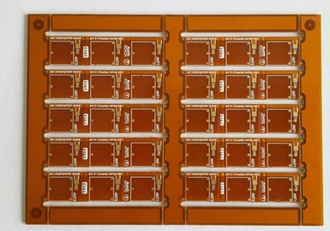
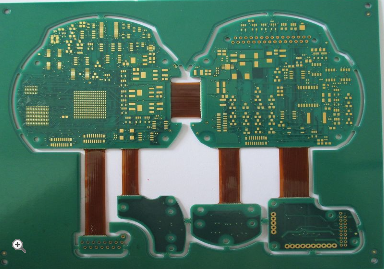
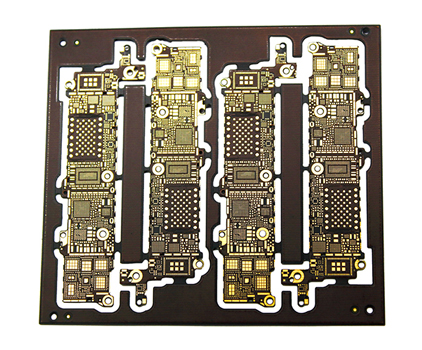
Elevate Your Projects With Rigid Flex PCB Solutions Ideal For Aerospace Medical And Automotive Innovations
In the relentless pursuit of innovation across high-stakes industries, the limitations of traditional printed circuit boards (PCBs) are becoming increasingly apparent. Where reliability, space constraints, and performance under extreme conditions are non-negotiable, a superior solution emerges: rigid-flex PCB technology. This advanced hybrid approach seamlessly integrates rigid board sections with flexible polyimide circuits, creating a single, three-dimensional interconnect assembly. For engineers and designers pushing the boundaries in aerospace, medical devices, and automotive systems, rigid-flex PCBs are not merely an alternative; they are a transformative enabler. They offer the structural integrity of rigid boards where components are mounted, combined with the dynamic flexing and space-saving capabilities of flexible circuits, thereby elevating project potential to unprecedented levels. This article delves into how this sophisticated technology is specifically engineered to meet the unique and demanding challenges of these three critical sectors.
The Aerospace Imperative: Reliability in Extreme Environments
The aerospace industry operates at the very edge of technological and environmental extremes. From commercial airliners and satellites to military aircraft and deep-space probes, electronic systems must withstand severe vibrations, dramatic thermal cycles, and intense radiation—all while maintaining flawless operation. Rigid-flex PCBs are uniquely suited for this arena. Their monolithic construction, which eliminates many of the connectors and solder joints found in traditional board-to-board or cable assemblies, significantly reduces potential points of failure. This inherent reliability is paramount for systems where maintenance is difficult or impossible, and failure is not an option.
Furthermore, the weight and space savings offered by rigid-flex designs are of critical importance in aerospace applications. Every gram saved translates directly into increased fuel efficiency or expanded payload capacity. By consolidating multiple rigid boards and wire harnesses into a single, lightweight assembly that can be folded and shaped to fit into tight, irregular spaces within an airframe or satellite chassis, rigid-flex PCBs contribute substantially to overall vehicle optimization. This three-dimensional packaging capability allows for more efficient use of the available volume, enabling more complex avionics, communication, and sensor systems to be packed into increasingly compact form factors.
Medical Device Innovation: Enabling Miniaturization and Biocompatibility
The medical technology field is driven by a dual mandate: to create devices that are increasingly less invasive and more capable, while ensuring patient safety and device reliability. Rigid-flex PCB technology sits at the heart of this evolution. For implantable devices such as pacemakers, neurostimulators, and cochlear implants, miniaturization is crucial. Rigid-flex circuits allow for dense, three-dimensional packaging of electronics within the small, often uniquely shaped housings required for implantation, maximizing functionality while minimizing physical footprint and patient discomfort.
Beyond size, the performance demands are exceptional. Medical devices must operate reliably within the human body, enduring constant flexing (e.g., in a wearable monitor), exposure to bodily fluids, and the need for long-term stability. The robust construction of rigid-flex boards, often using high-performance materials and advanced encapsulation techniques, ensures this longevity. Moreover, the reduction in interconnects enhances signal integrity for sensitive biosensors and reduces the risk of failure. For diagnostic equipment like endoscopes and ultrasound probes, the flexible sections of the PCB enable articulation and movement, allowing the device to navigate the body while transmitting high-fidelity data back to the rigid control sections, all within a single, reliable unit.
Automotive Advancements: Powering the Future of Mobility
The modern automobile is undergoing a radical transformation, evolving into a complex network of computers on wheels. The rise of electric vehicles (EVs), advanced driver-assistance systems (ADAS), and fully autonomous driving platforms has exponentially increased the density and criticality of onboard electronics. Rigid-flex PCBs are pivotal in this new era. In the cramped, vibration-rich, and thermally challenging environment of a vehicle, traditional wiring harnesses and multiple discrete boards become liabilities. Rigid-flex solutions consolidate these systems, improving reliability by reducing connection points vulnerable to vibration-induced failure.
Specifically, in electric vehicles, rigid-flex boards are ideal for battery management systems (BMS), where they can conform to the shape of battery packs, providing precise monitoring in a compact format. For ADAS and infotainment systems, which require high-speed data transmission for cameras, radar, and lidar sensors, the controlled impedance and reduced signal path lengths offered by integrated rigid-flex designs are essential for maintaining data integrity. As vehicles incorporate more curved displays and lighting, the flexible portions of these PCBs allow for elegant integration into non-planar surfaces, supporting both advanced functionality and sleek interior design. This technology is thus a key driver in making vehicles safer, smarter, and more efficient.
Cross-Industry Advantages: The Core Strengths of Rigid-Flex Design
While each industry has specific needs, the fundamental advantages of rigid-flex PCB technology provide universal benefits. The most significant is enhanced reliability. By designing the interconnection as an integral part of the board itself, engineers remove many fragile connectors and cabling, leading to higher mean time between failures (MTBF). This is complemented by improved electrical performance, as shorter trace lengths and consistent impedance in the flex regions reduce signal loss, cross-talk, and electromagnetic interference (EMI)—a critical factor for all high-frequency applications.
From a manufacturing and assembly perspective, rigid-flex PCBs streamline the entire process. What was once an assembly of several boards, connectors, and cables becomes a single component. This simplifies inventory management, reduces assembly time and cost, and minimizes human error during production. Furthermore, the design freedom afforded by the three-dimensional nature of rigid-flex allows for unprecedented innovation in product form factor, enabling the creation of devices that were previously impossible with conventional PCB technology. This synergy of reliability, performance, and design flexibility is what truly empowers projects across aerospace, medical, and automotive fields to reach new heights.
REPORT