







-
 Agriculture
-
 Health-Care
-
 Environment
-
 Construction-Real-Estate
-
 Tools-Hardware
-
 Home-Garden
-
 Furniture
-
 Luggage-Bags-Cases
-
 Medical-devices-Supplies
-
 Gifts-Crafts
-
 Sports-Entertainment
-
 Food-Beverage
-
 Vehicles-Transportation
-
 Power-Transmission
-
 Material-Handling
-
 Renewable-Energy
-
 Safety
-
 Testing-Instrument-Equipment
-
 Construction-Building-Machinery
-
 Pet-Supplies
-
 Personal-Care-Household-Cleaning
-
 Vehicle-Accessories-Electronics-Tools
-
 School-Office-Supplies
-
 Packaging-Printing
-
 Mother-Kids-Toys
-
 Business-Services
-
 Commercial-Equipment-Machinery
-
 Apparel-Accessories
-
 Security
-
 Shoes-Accessories
-
 Vehicle-Parts-Accessories
-
 Jewelry-Eyewear-Watches-Accessories
-
 Lights-Lighting
-
 Fabric-Textile-Raw-Material
-
 Fabrication-Services
-
 Industrial-Machinery
-
 Consumer-Electronics
-
 Electrical-Equipment-Supplies
-
 Electronic-Components-Accessories-Telecommunications
-
 Home-Appliances
-
 Beauty
-
 Chemicals
-
 Rubber-Plastics
-
 Metals-Alloys


























































































































































































































































































































































































































































































































































































- Masonry Materials
- Curtain Walls & Accessories
- Earthwork Products
- Fireproofing Materials
- Heat Insulation Materials
- Plastic Building Materials
- Building Boards
- Soundproofing Materials
- Timber
- Waterproofing Materials
- Balustrades & Handrails
- Bathroom & Kitchen
- Flooring & Accessories
- Tiles & Accessories
- Door, Window & Accessories
- Fireplaces & Stoves
- Floor Heating Systems & Parts
- Stairs & Stair Parts
- Ceilings
- Elevators & Escalators
- Stone
- Countertops, Vanity Tops & Table Tops
- Mosaics
- Metal Building Materials
- Multifunctional Materials
- Ladders & Scaffoldings
- Mouldings
- Corner Guards
- Decorative Films
- Formwork
- Building & Industrial Glass
- Other Construction & Real Estate
- Wallpapers/Wall panels
- HVAC System & Parts
- Outdoor Facilities
- Prefabricated Buildings
- Festive & Party Supplies
- Bathroom Products
- Household Sundries
- Rain Gear
- Garden Supplies
- Household Cleaning Tools & Accessories
- Lighters & Smoking Accessories
- Home Storage & Organization
- Household Scales
- Smart Home Improvement
- Home Textiles
- Kitchenware
- Drinkware & Accessories
- Dinnerware, Coffee & Wine
- Home Decor
- Golf
- Fitness & Body Building
- Amusement Park Facilities
- Billiards, Board Game,Coin Operated Games
- Musical Instruments
- Outdoor Affordable Luxury Sports
- Camping & Hiking
- Fishing
- Sports Safety&Rehabilitation
- Ball Sports Equipments
- Water Sports
- Winter Sports
- Luxury Travel Equipments
- Sports Shoes, Bags & Accessories
- Cycling
- Other Sports & Entertainment Products
- Artificial Grass&Sports Flooring&Sports Court Equipment
- Scooters
- Food Ingredients
- Honey & Honey Products
- Snacks
- Nuts & Kernels
- Seafood
- Plant & Animal Oil
- Beverages
- Fruit & Vegetable Products
- Frog & Escargot
- Bean Products
- Egg Products
- Dairy Products
- Seasonings & Condiments
- Canned Food
- Instant Food
- Baked Goods
- Other Food & Beverage
- Meat & Poultry
- Confectionery
- Grain Products
- Feminie Care
- Hair Care & Styling
- Body Care
- Hands & Feet Care
- Hygiene Products
- Men's Grooming
- Laundry Cleaning Supplies
- Travel Size & Gift Sets
- Room Deodorizers
- Other Personal Care Products
- Pest Control Products
- Special Household Cleaning
- Floor Cleaning
- Kitchen & Bathroom Cleaning
- Oral Care
- Bath Supplies
- Yellow Pages
- Correction Supplies
- Office Binding Supplies
- Office Cutting Supplies
- Board Erasers
- Office Adhesives & Tapes
- Education Supplies
- Pencil Cases & Bags
- Notebooks & Writing Pads
- File Folder Accessories
- Calendars
- Writing Accessories
- Commercial Office Supplies
- Pencil Sharpeners
- Pens
- Letter Pad/Paper
- Paper Envelopes
- Desk Organizers
- Pencils
- Markers & Highlighters
- Filing Products
- Art Supplies
- Easels
- Badge Holder & Accessories
- Office Paper
- Printer Supplies
- Book Covers
- Other Office & School Supplies
- Stationery Set
- Boards
- Clipboards
- Stamps
- Drafting Supplies
- Stencils
- Electronic Dictionary
- Books
- Map
- Magazines
- Calculators
- Baby & Toddler Toys
- Educational Toys
- Classic Toys
- Dress Up & Pretend Play
- Toy Vehicle
- Stuffed Animals & Plush Toys
- Outdoor Toys & Structures
- Balloons & Accessories
- Baby Food
- Children's Clothing
- Baby Supplies & Products
- Maternity Clothes
- Kids Shoes
- Baby Care
- Novelty & Gag Toys
- Dolls & Accessories
- Puzzle & Games
- Blocks & Model Building Toys
- Toddler Clothing
- Baby Clothing
- Kids' Luggage & Bags
- Arts, Crafts & DIY Toys
- Action & Toy Figures
- Baby Appliances
- Hobbies & Models
- Remote Control Toys
- Promotional Toys
- Pregnancy & Maternity
- Hygiene Products
- Kid's Textile&Bedding
- Novelty & Special Use
- Toy Weapons
- Baby Gifts
- Baby Storage & Organization
- Auto Drive Systems
- ATV/UTV Parts & Accessories
- Marine Parts & Accessories
- Other Auto Parts
- Trailer Parts & Accessories
- Auto Transmission Systems
- Train Parts & Accessories
- Universal Parts
- Railway Parts & Accessories
- Auto Brake Systems
- Aviation Parts & Accessories
- Truck Parts & Accessories
- Auto Suspension Systems
- Auto Lighting Systems
- New Energy Vehicle Parts & Accessories
- Auto Steering Systems
- Wheels, Tires & Accessories
- Bus Parts & Accessories
- Auto Performance Parts
- Cooling System
- Go-Kart & Kart Racer Parts & Accessories
- Air Conditioning Systems
- Heavy Duty Vehicle Parts & Accessories
- Auto Electrical Systems
- Auto Body Systems
- Auto Engine Systems
- Container Parts & Accessories
- Motorcycle Parts & Accessories
- Refrigeration & Heat Exchange Equipment
- Machine Tool Equipment
- Food & Beverage Machinery
- Agricultural Machinery & Equipment
- Apparel & Textile Machinery
- Chemical Machinery
- Packaging Machines
- Paper Production Machinery
- Plastic & Rubber Processing Machinery
- Industrial Robots
- Electronic Products Machinery
- Metal & Metallurgy Machinery
- Woodworking Machinery
- Home Product Manufacturing Machinery
- Machinery Accessories
- Environmental Machinery
- Machinery Service
- Electrical Equipment Manufacturing Machinery
- Industrial Compressors & Parts
- Tobacco & Cigarette Machinery
- Production Line
- Used Industrial Machinery
- Electronics Production Machinery
- Other Machinery & Industrial Equipment
- Camera, Photo & Accessories
- Portable Audio, Video & Accessories
- Television, Home Audio, Video & Accessories
- Video Games & Accessories
- Mobile Phone & Accessories
- Electronic Publications
- Earphone & Headphone & Accessories
- Speakers & Accessories
- Smart Electronics
- TV Receivers & Accessories
- Mobile Phone & Computer Repair Parts
- Chargers, Batteries & Power Supplies
- Used Electronics
- VR, AR, MR Hardware & Software
- Projectors & Presentation Equipments
- Other Consumer Electronics
- Cables & Commonly Used Accessories
- Computer Hardware & Software
- Displays, Signage and Optoelectronics
- Discrete Semiconductors
- Wireless & IoT Module and Products
- Telecommunications
- Connectors, Terminals & Accessories
- Development Boards, Electronic Modules and Kits
- Circuit Protection
- Sensors
- Isolators
- Audio Components and Products
- Integrated Circuits
- Power Supplies
- Relays
- RF, Microwave and RFID
- Electronic Accessories & Supplies
- Passive Components
- PCB & PCBA
- Air Quality Appliances
- Home Appliance Parts
- Heating & Cooling Appliances
- Small Kitchen Appliances
- Laundry Appliances
- Water Heaters
- Water Treatment Appliances
- Refrigerators & Freezers
- Personal Care & Beauty Appliances
- Major Kitchen Appliances
- Cleaning Appliances
- Second-hand Appliances
- Smart Home Appliances
- Other Home Appliances
- Energy Chemicals
- Inorganic Chemicals
- Basic Organic Chemicals
- Agrochemicals
- Admixture & Additives
- Catalysts & Chemical Auxiliary Agents
- Pigments & Dyestuff
- Coating & Paint
- Daily Chemicals
- Polymer
- Organic Intermediate
- Adhesives & Sealants
- Chemical Waste
- Biological Chemical Products
- Surface Treatment Chemicals
- Painting & Coating
- Chemical Reagents
- Flavor & Fragrance
- Non-Explosive Demolition Agents
- Other Chemicals
- Custom Chemical Services


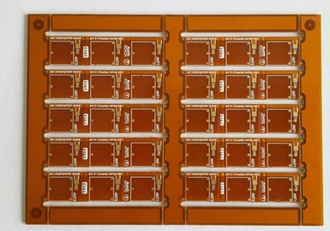
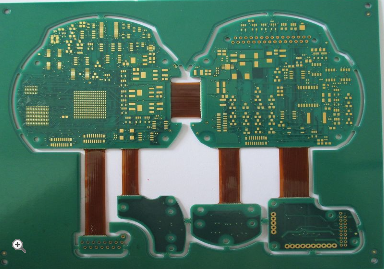
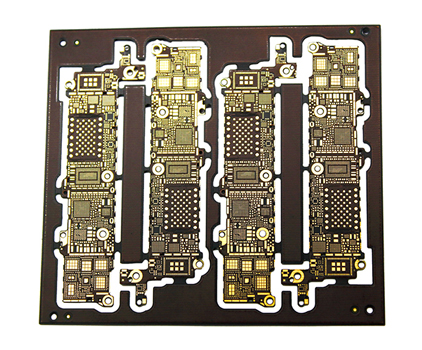
The Power Of Rigid Flex PCBs Streamlining Assembly And Boosting Reliability In Compact High Performance Gadgets
In the relentless pursuit of miniaturization and enhanced functionality, the electronics industry faces a constant challenge: how to pack more performance into ever-shrinking spaces without compromising reliability. Traditional printed circuit board (PCB) assemblies, reliant on connectors, cables, and multiple rigid boards, often become bottlenecks. They consume valuable internal real estate, increase assembly complexity, and introduce potential points of failure. Enter a transformative solution: the rigid-flex PCB. This innovative technology, which seamlessly integrates rigid board substrates with flexible polyimide layers, is revolutionizing the design and manufacture of compact, high-performance gadgets. From sleek smartphones and cutting-edge wearables to critical medical implants and aerospace avionics, rigid-flex PCBs are unlocking new possibilities by streamlining the assembly process and significantly boosting overall system reliability. This article delves into the power of this technology, exploring how it addresses the core demands of modern electronics.
Streamlining Assembly and Reducing System Complexity
The assembly process for conventional electronic devices can be intricate and labor-intensive. Multiple rigid PCBs must be interconnected using a web of wires, connectors, and cables. Each connection point requires manual or automated assembly, increasing production time and cost. Furthermore, these interconnects demand additional space for routing and strain relief, conflicting directly with the goal of a compact form factor.
Rigid-flex PCBs elegantly solve this problem by eliminating many of these discrete interconnection components. The flexible sections act as dynamic, integrated "cables" that are manufactured as a single, unified part of the board itself. This means a device that previously required three separate rigid boards connected by wires can now be fabricated as one continuous rigid-flex assembly. The result is a dramatic simplification of the bill of materials (BOM) and a significant reduction in assembly steps. Manufacturers can automate the placement of components on a single, contiguous board structure, leading to faster production cycles, lower labor costs, and reduced opportunities for human error during assembly.
Enhancing Mechanical Reliability and Durability
Reliability is paramount, especially for gadgets subjected to constant motion, vibration, or harsh environments. Traditional wired connections are common failure points; wires can fray, connectors can become loose, and solder joints on cable headers can crack under mechanical stress. These vulnerabilities are mitigated by the inherent design of rigid-flex circuits.
The flexible portions of the PCB are designed to withstand thousands, even millions, of flex cycles without failure. When integrated into a final product, these flex areas are often statically bent into a permanent 3D shape, eliminating the need for moving cables altogether. Even in applications with dynamic flexing, such as a folding smartphone hinge or a continuously moving robotic arm, the polyimide material and carefully designed copper traces are engineered for endurance. By removing fragile interconnects and creating a monolithic structure, rigid-flex PCBs reduce points of physical stress, leading to products that are more robust, resistant to shock and vibration, and ultimately more dependable over their operational lifespan.
Optimizing Space and Enabling Innovative 3D Packaging
Perhaps the most visually compelling advantage of rigid-flex technology is its ability to conform to complex three-dimensional spaces. Designers are no longer constrained by the flat, two-dimensional plane of a standard rigid PCB. The flexible sections allow the board to fold, bend, and twist, fitting snugly into irregularly shaped enclosures.
This 3D packaging capability is a game-changer for compact gadgets. It allows engineers to utilize the full volume of a device, stacking components and board sections in a "pop-up book" or origami-like fashion. Valuable space that was once wasted on air gaps and wiring harnesses is now reclaimed for larger batteries, additional sensors, or simply for making the device thinner and lighter. This spatial efficiency is critical for wearables like smartwatches and hearing aids, implantable medical devices, and ultra-portable drones, where every cubic millimeter counts. Rigid-flex PCBs thus become an enabling technology for the sleek, ergonomic, and highly functional industrial designs that define today's premium gadgets.
Improving Electrical Performance and Signal Integrity
High-performance gadgets demand high-speed data transmission and precise electrical characteristics. Long wire runs and multiple connectors between boards can degrade signal integrity through increased capacitance, inductance, and impedance mismatches. This can lead to signal attenuation, crosstalk, and electromagnetic interference (EMI), potentially causing data errors or reduced performance.
Rigid-flex PCBs offer a superior electrical pathway. The integrated nature of the flex circuits allows for shorter, more controlled, and consistent trace lengths between different functional sections of the board. Designers can implement controlled impedance routing more effectively across the entire assembly. Furthermore, by minimizing the number of connector interfaces—each a potential source of signal reflection and EMI—the overall electrical noise is reduced. This results in cleaner signal transmission, higher data rates, and improved system performance, which is essential for applications like high-resolution displays, advanced communication modules, and high-frequency sensors.
Contributing to Weight Reduction and Overall System Cost Efficiency
While the initial unit cost of a rigid-flex PCB may be higher than that of a standard rigid board, the total system cost and weight often see a net reduction. The elimination of connectors, cables, cable ties, and associated hardware directly cuts material costs and reduces the overall weight of the final assembly. This weight saving is crucial for aerospace, automotive, and portable consumer electronics.
Moreover, the simplified assembly process translates to lower labor costs and higher production throughput. Fewer parts mean fewer opportunities for procurement delays, inventory management issues, and assembly defects. The enhanced reliability also reduces warranty claims and field failures, leading to significant savings over the product's lifetime. When viewed from this holistic perspective—encompassing design, manufacturing, logistics, and post-sales support—the investment in rigid-flex technology frequently proves to be highly cost-effective, enabling the creation of more competitive and profitable products.
In conclusion, the power of rigid-flex PCBs lies in their multifaceted ability to address the interconnected challenges of modern electronics design. By streamlining assembly, enhancing mechanical and electrical reliability, enabling revolutionary 3D packaging, and contributing to overall system efficiency, this technology is more than just a component—it is a strategic enabler. As the demand for smaller, smarter, and more reliable gadgets continues to accelerate, rigid-flex PCBs will undoubtedly remain at the forefront, empowering engineers to turn ambitious designs into tangible, high-performance realities.
REPORT